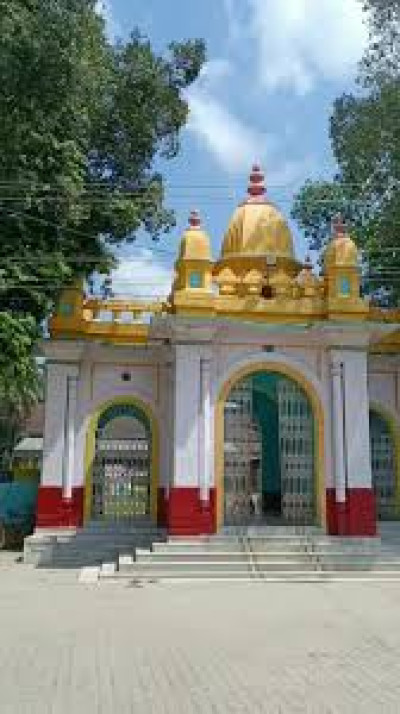
In Depth
The satra is closely associated with the spread of the Neo-Vaishnavite movement across the Brahmaputra Valley. It is believed that Sri Sri Madhabdeva stayed here for nearly fourteen years after establishing the monastery. During this period, he dedicated his life to spiritual teachings, devotional literature, and the promotion of equality and community harmony through the teachings of Vaishnavism.
Sundaridiya Satra is not only a religious site but also a living symbol of Assam's spiritual heritage. Thousands of devotees, scholars, and tourists visit this holy place every year to experience its peaceful environment and historical significance. The calm surroundings, devotional atmosphere, and preserved heritage of the satra make it one of the major tourist attractions in Barpeta district.
One of the most fascinating aspects of Sundaridiya Satra is its connection with some of the most valuable literary works of Assamese Vaishnavism. Historical accounts suggest that Sri Sri Madhabdeva composed parts of the famous Namghosa and Bhakti Ratnavali during his stay here. These devotional texts continue to hold immense importance in Assamese religious and cultural life even today.
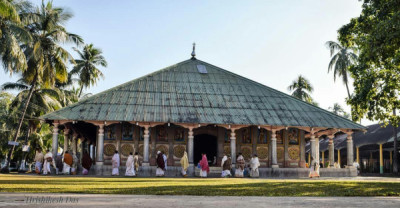
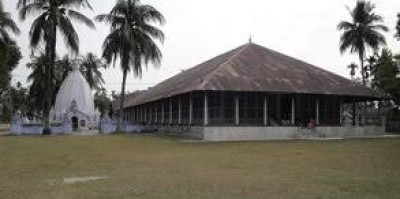
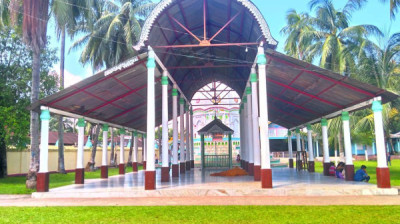
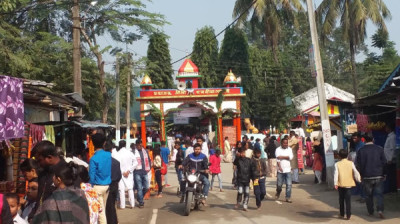
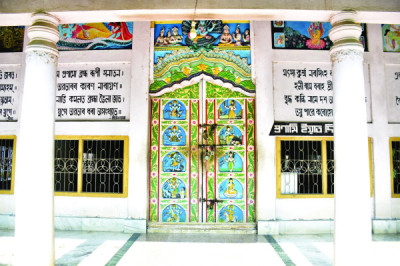
Visitors entering the satra can immediately feel the simplicity and spiritual calmness that define traditional Assamese monasteries. The Namghar, prayer halls, sacred structures, and traditional Assamese architectural style create a deeply devotional atmosphere. The satra reflects the values of simplicity, discipline, and devotion promoted by the Vaishnavite movement.
One of the most sacred attractions inside Sundaridiya Satra is the historic well believed to have been dug by Sri Sri Madhabdeva himself. Devotees consider the water from this well holy and spiritually significant. Many pilgrims visiting the satra drink the water as a symbol of blessings and purification. The well continues to attract visitors who wish to connect with the spiritual legacy of the saint.
The satra also preserves several ancient items and relics associated with Madhabdeva. These include religious manuscripts, traditional prayer items, and historical artifacts connected to Assamese Vaishnavite culture. The preservation of these objects provides visitors with an opportunity to understand the deep-rooted spiritual traditions of Assam.
Another important attraction at Sundaridiya Satra is the presence of three sacred Asanas dedicated to the respected gurus of the institution. These sacred seats are highly revered by devotees and symbolize the continuity of spiritual teachings passed down through generations.
The devotional songs and prayer traditions associated with the satra are equally significant. It is believed that forms of devotional chanting such as Beer Nam and Paal Nam were developed and practiced here during the time of Madhabdeva. These musical traditions remain an essential part of Assamese religious culture and continue to be performed during festivals and spiritual gatherings.
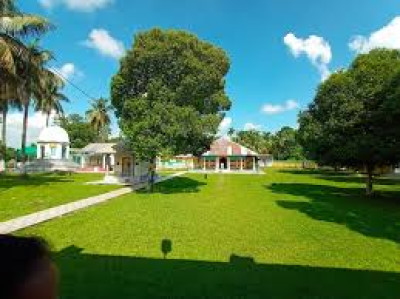
The overall environment of Sundaridiya Satra is peaceful and ideal for spiritual reflection. Unlike commercial tourist destinations, this monastery offers visitors a chance to experience the authentic cultural and religious life of Assam. The sound of devotional prayers, traditional music, and the serene surroundings create a spiritually uplifting atmosphere for tourists and pilgrims alike.
Tourists visiting Sundaridiya Satra often explore other important attractions nearby. Barpeta Satra, one of the largest and most famous satras in Assam, is located close to this monastery. The town of Barpeta itself is known for its strong Vaishnavite heritage and traditional Assamese culture.
Travelers can also visit Ganakkuchi Satra and Patbaushi Satra, both of which are historically associated with the Neo-Vaishnavite movement. These satras provide further insight into the teachings and cultural contributions of Srimanta Sankardeva and Madhabdeva.
Nature lovers often combine their religious tour with a visit to Manas National Park, located within reachable distance from Barpeta. The national park is famous for wildlife safaris, scenic landscapes, and biodiversity. It is one of Assam's most important eco-tourism destinations and a UNESCO World Heritage Site.
Best Time to Visit Sundaridiya Satra
Sundaridiya Satra can be visited throughout the year, but the most favorable time is from October to January. During these months, the weather remains pleasant and comfortable for sightseeing and spiritual visits. Winter festivals and devotional gatherings held during this period also attract a large number of devotees and tourists.
The cool climate of Barpeta during winter allows visitors to comfortably explore the satra and nearby attractions. Religious events and cultural performances organized at the monastery during festive occasions provide a unique opportunity to witness Assamese traditions closely.
How to Reach Sundaridiya Satra
Where to Stay Near Sundaridiya Satra
Barpeta town and Barpeta Road offer a range of accommodation facilities suitable for tourists and pilgrims. Visitors can choose from budget hotels, guest houses, lodges, and mid-range hotels depending on their preferences.
Travelers interested in nature tourism can also stay near Manas National Park where forest resorts and eco-lodges are available. These accommodations are suitable for tourists planning to combine spiritual tourism with wildlife exploration.
Certain religious institutions and satras in the region may also provide basic lodging facilities for devotees during religious festivals and special occasions.
Travel Tips for Visitors
- Dress modestly while visiting the monastery.
- Maintain silence and respect during prayer sessions.
- Visit during the morning hours for a peaceful experience.
- Carry drinking water and comfortable footwear.
- Combine the trip with nearby satras and Barpeta attractions.
Sundaridiya Satra stands as a timeless symbol of Assam's spiritual and cultural heritage. The monastery reflects the teachings, devotion, and literary contributions of Sri Sri Madhabdeva while preserving the rich traditions of Neo-Vaishnavism. Whether you are a pilgrim, cultural enthusiast, or traveler exploring the heritage of Assam, Sundaridiya Satra offers a meaningful and memorable experience filled with spirituality, history, and peace.
Quick Info Table on Sundaridiya Satra
| Information | Details |
|---|---|
| Place Name | Sundaridiya Satra |
| Location | Near Barpeta Town, Assam |
| Famous For | Vaishnavite monastery established by Sri Sri Madhabdeva |
| Established By | Sri Sri Madhabdeva |
| Religious Importance | Neo-Vaishnavite cultural and spiritual center |
| Main Attraction | Holy well, ancient manuscripts, Namghar |
| Best Time to Visit | October to January |
| Nearest Railway Station | Barpeta Road Railway Station |
| Nearest Airport | Lokpriya Gopinath Bordoloi International Airport, Guwahati |
| Ideal Visit Duration | 1 to 2 Hours |
| Nearby Attractions | Barpeta Satra, Ganakkuchi Satra, Manas National Park |
| Suitable For | Pilgrims, spiritual travelers, history lovers |
FAQ's on Sundaridiya Satra
1. Where is Sundaridiya Satra located?
Sundaridiya Satra is located near Barpeta town in the Barpeta district of Assam.
2. Who established Sundaridiya Satra?
The satra was established by Sri Sri Madhabdeva, the principal disciple of Srimanta Sankardeva.
3. Why is Sundaridiya Satra famous?
The monastery is famous for its connection with Neo-Vaishnavism and the spiritual works of Madhabdeva.
4. What is the importance of the holy well at Sundaridiya Satra?
The well is believed to have been dug by Madhabdeva, and devotees consider its water sacred.
5. What are the main attractions of Sundaridiya Satra?
Major attractions include the Namghar, sacred well, ancient manuscripts, and devotional atmosphere.
6. What is the best time to visit Sundaridiya Satra?
The best time to visit is from October to January due to pleasant weather conditions.
7. Which is the nearest railway station to Sundaridiya Satra?
Barpeta Road Railway Station is the nearest railway station.
8. Are hotels available near Sundaridiya Satra?
Yes, several hotels and guest houses are available in Barpeta and Barpeta Road.
9. Can tourists visit nearby attractions from Sundaridiya Satra?
Yes, visitors can explore Barpeta Satra, Ganakkuchi Satra, and Manas National Park nearby.
10. Is Sundaridiya Satra suitable for spiritual tourism?
Yes, it is one of the most important spiritual and cultural tourism destinations in Assam.