In Depth
The caves are situated at Jogighopa, around 38 km from Bongaigaon town. The Archaeological Survey of India has taken the ancient caves at Jogighopa under its protection, recognising their importance as a centrally protected archaeological site.
History of Rock Cut Caves, Bongaigaon
The five rock-cut caves at Jogighopa are generally associated with the Salasthambha period, also known as the Mlechchha period, which is generally placed between approximately 655 and 900 AD. Assam Tourism identifies the caves as an important example of the rock-cut architectural tradition of this period.
The importance of the site lies not in monumental sculpture or elaborate decoration, but in the fact that rock-cut architecture was also practised in ancient Assam. The remains provide an archaeological link between Assam and the wider development of rock-cut architectural traditions in the Indian subcontinent.
The caves are particularly valuable because relatively few ancient rock-cut structures of this type survive in Assam. Their location beside the Brahmaputra also adds to the historical character of Jogighopa, an area that has long been connected with movement, settlement and cultural exchange in the region.
Architecture and Features
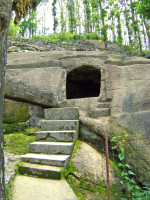
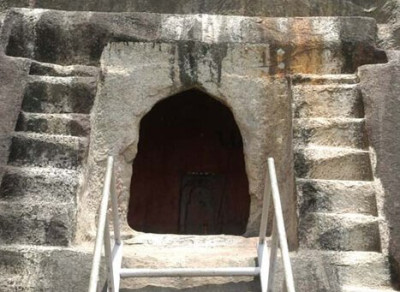
The Jogighopa site contains five rock-cut chambers of different sizes. The largest and best-preserved cave provides the clearest view of the architectural features of the site. According to the Bongaigaon District Administration, this cave is approximately 2.60 metres wide, 1.80 metres deep and 1.90 metres high. It has a roughly rounded ceiling and a small verandah at its entrance.
One of the most interesting architectural features is the arrangement made to deal with rainwater. A carved channel or ledge above the entrance helps direct rainwater away from the cave facade. This practical feature demonstrates how the builders adapted the structure to Assam's wet climate.
Rock-cut steps are present around the better-preserved cave, while the other chambers are smaller and do not have the same combination of steps and verandah. The caves are relatively plain and do not contain the elaborate sculptural decoration associated with some of India's better-known rock-cut monuments.
A brick-and-mud masonry platform is also found inside the best-preserved cave. Official descriptions indicate that this is considered a later addition rather than part of the original rock-cut construction.
Why the Rock Cut Caves Are Important?
The Rock Cut Caves of Jogighopa are significant because they preserve evidence of an architectural tradition that existed in Assam during the early medieval period. They demonstrate that the region was connected with broader developments in Indian architecture while retaining its own geographical and cultural character.
For students, researchers and history enthusiasts, the site provides an opportunity to understand how ancient builders worked directly with natural rock to create usable chambers. The relatively modest scale of the caves also makes them useful for appreciating the difference between functional rock-cut structures and the large, highly decorated cave complexes found elsewhere in India.
The surrounding landscape beside the Brahmaputra further enhances the experience. Visitors can combine an archaeological visit with an exploration of the natural and cultural attractions of Bongaigaon district.
Visiting Rock Cut Caves, Jogighopa
The Rock Cut Caves are best suited to visitors who enjoy history, archaeology, architecture, photography and cultural tourism. The site is more about experiencing an ancient archaeological landscape than visiting a large monument complex with extensive visitor facilities.
Visitors should allow enough time to explore the cave area carefully and should avoid touching, damaging or climbing on protected archaeological structures. Since the site is an archaeological monument, responsible tourism is important for its long-term preservation.
The official Assam Tourism publication lists the site as a year-round destination. However, for comfortable outdoor travel in Assam, the cooler and generally drier months from October to March can be a more convenient period for sightseeing.
How to Reach Rock Cut Caves from Guwahati?
By Air
The nearest major airport is Lokpriya Gopinath Bordoloi International Airport in Guwahati. Assam Tourism lists the airport as approximately 135 km from the Rock Cut Cave site. From Guwahati, visitors can continue towards Bongaigaon and then travel onward to Jogighopa by road.
By Train
Jogighopa has a railway station, and the Archaeological Survey of India's Guwahati Circle lists Jogighopha railway station in the site information. New Bongaigaon is another major railway point for travellers visiting the Bongaigaon area. Assam Tourism lists New Bongaigaon at approximately 37 km from the site.
By Road
Travellers coming from Guwahati can travel by road towards Bongaigaon and continue to Jogighopa. From Bongaigaon town, local taxis and other local transport options can be used for the onward journey. Because local transport schedules can change, visitors should confirm the latest availability before starting the trip.
Distance from Bongaigaon
The Rock Cut Caves at Jogighopa are approximately 38 km from Bongaigaon town according to Assam Tourism. This makes the site suitable for a short excursion while exploring other attractions in Bongaigaon district.
Where to Stay at Rock Cut Caves, Bongaigaon?
Bongaigaon town is the most practical base for visitors who want to explore the Rock Cut Caves along with other attractions in the district. Assam Tourism notes that Bongaigaon has accommodation ranging from budget options to higher-end hotels.
Travellers may choose a hotel in Bongaigaon and make a day visit to Jogighopa. Visitors planning a wider Assam itinerary can also consider combining Bongaigaon with destinations such as Manas National Park, depending on their route and available time.
Whom to Contact
For official information concerning the archaeological site, visitors can contact the Bongaigaon District Administration or the relevant Archaeological Survey of India office responsible for the monument.
The Bongaigaon District Administration currently provides the following contact details on its Rock Cut Cave tourist-place page:
Phone: +91 03664 230889
Email: dc-bongaigaon@nic.in
For official heritage-related information, visitors can also refer to the Archaeological Survey of India's Guwahati Circle. The ASI lists the Ancient Caves at Jogighopha under Bongaigaon district and identifies Jogighopha as the locality of the protected site.
Things to See at the Rock Cut Caves
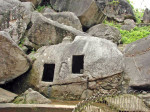
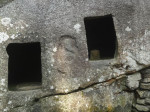
The main attractions at the site include the group of five rock-cut chambers, the best-preserved cave with its rounded ceiling, the entrance verandah, rock-cut steps and the rainwater-drainage feature above the facade. The smaller caves provide an opportunity to compare the different sizes and layouts within the same archaeological group.
The Brahmaputra-side setting is another appealing aspect of a visit to Jogighopa. Travellers interested in photography and landscape views can also enjoy the surrounding environment while exploring the historical site.
Rock Cut Caves and Bongaigaon's Heritage
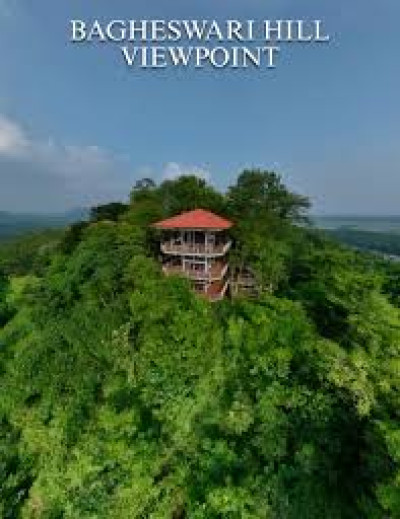
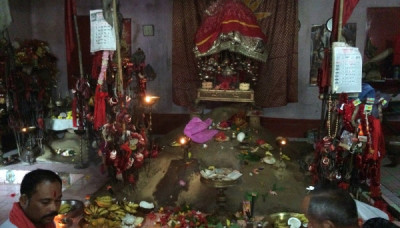
The Rock Cut Caves form part of Bongaigaon's wider collection of historical, religious and natural attractions. Other places of interest in the district include Lalmati Duramari Ganesh Mandir, Bagheswari Temple, Kakoijana Reserve Forest, Koya Kujiya Beel and other scenic and cultural destinations. Assam Tourism lists the Rock Cut Cave among the principal tourist attractions of Bongaigaon.
A visit to the Rock Cut Caves can therefore be included in a broader Bongaigaon sightseeing itinerary rather than treated as an isolated destination.
Best Time to Visit Rock Cut Caves, Bongaigaon
The site can be visited throughout the year according to Assam Tourism. For travellers who prefer cooler weather and more comfortable outdoor sightseeing, October to March is generally a convenient period to plan a visit to Bongaigaon.
Visitors should also consider local weather conditions before travelling, particularly during periods of heavy rainfall, as the site is an outdoor archaeological location.
Responsible Tourism
The Rock Cut Caves are protected archaeological remains and should be treated with care. Visitors should not scratch or write on the rock surfaces, remove stones or archaeological material, damage the structures, or leave waste around the site.
Photography should be carried out responsibly without disturbing other visitors or compromising the preservation of the monument. Respecting the archaeological character of the site helps ensure that the remains can be appreciated by future generations.
Final Note
The Rock Cut Caves of Jogighopa are a distinctive part of Assam's archaeological heritage. Their five rock-cut chambers, early medieval association, practical architectural features and location beside the Brahmaputra make them an interesting destination for anyone exploring the historical side of Bongaigaon.
Unlike large monument complexes that depend on elaborate sculptures and grand structures, Jogighopa offers a quieter experience centred on the surviving rock-cut remains themselves. A visit here provides an opportunity to see an uncommon form of ancient architecture in Assam and to understand how the region participated in the wider history of Indian rock-cut architectural traditions.
Quick Info about Rock Cut Caves, Bongaigaon
| Information | Details |
|---|---|
| Tourist Place | Rock Cut Caves |
| Also Known As | Jogighopa Rock Cut Caves |
| Location | Jogighopa, Bongaigaon, Assam |
| District | Bongaigaon |
| State | Assam |
| River | Brahmaputra |
| Number of Caves | Five |
| Historical Period | Early Medieval Period |
| Architectural Period | Salasthambha Period |
| Approximate Period | 655-900 AD |
| Protected By | Archaeological Survey of India |
| Distance from Bongaigaon | Approximately 38 km |
| Nearest Railway Point | Jogighopa Railway Station / New Bongaigaon |
| Nearest Major Airport | Lokpriya Gopinath Bordoloi International Airport, Guwahati |
| Airport Distance | Approximately 135 km |
| Best Time | October to March for comfortable sightseeing |
| Suitable For | History, archaeology, architecture, heritage and photography |
| Accommodation | Bongaigaon town |
| Official Contact | Bongaigaon District Administration |
| Contact Phone | +91 03664 230889 |
| Contact Email | dc-bongaigaon@nic.in |
FAQs About Rock Cut Caves, Bongaigaon
1. Where are the Rock Cut Caves located in Assam?
The Rock Cut Caves are located at Jogighopa in Bongaigaon district of Assam, on the northern bank of the Brahmaputra River. The site is approximately 38 km from Bongaigaon town.
2. How many Rock Cut Caves are there at Jogighopa?
There are five rock-cut caves at Jogighopa. The caves vary in size, with the largest and best-preserved chamber showing more architectural features than the smaller caves.
3. What is the history of the Rock Cut Caves in Bongaigaon?
The caves are associated with the early medieval period and are generally linked with the Salasthambha period of Assam, approximately 655 to 900 AD. They are recognised as important remains of rock-cut architecture in the region.
4. Why are the Jogighopa Rock Cut Caves important?
The Jogighopa caves are important because they provide evidence of rock-cut architectural practices in ancient Assam. Their survival also demonstrates that Assam participated in the wider development of rock-cut architecture in the Indian subcontinent.
5. Who protects the Rock Cut Caves at Jogighopa?
The ancient caves at Jogighopa are under the protection of the Archaeological Survey of India. The ASI lists the Ancient Caves at Jogighopha among the centrally protected monuments and sites in Assam.
6. What are the main features of the Rock Cut Caves?
The main features include five rock-cut chambers, a rounded ceiling in the best-preserved cave, an entrance verandah, rock-cut steps and a carved drainage feature that helps divert rainwater from the cave facade.
7. How far are the Rock Cut Caves from Bongaigaon?
The Rock Cut Caves at Jogighopa are approximately 38 km from Bongaigaon town according to Assam Tourism.
8. How can I reach the Rock Cut Caves from Guwahati?
Visitors from Guwahati can travel towards Bongaigaon by road or rail and continue to Jogighopa. The nearest major airport is Lokpriya Gopinath Bordoloi International Airport in Guwahati, while New Bongaigaon is an important nearby railway point.
9. What is the best time to visit the Rock Cut Caves in Bongaigaon?
Assam Tourism lists the Rock Cut Caves as a year-round destination. For more comfortable outdoor sightseeing, October to March is generally a suitable period because of the relatively cooler weather.
10. Where can I stay when visiting the Rock Cut Caves?
Bongaigaon town is a convenient base for visiting the Rock Cut Caves and other attractions in the district. Assam Tourism states that Bongaigaon has accommodation ranging from budget hotels to higher-end options.