In Depth
For visitors, Birjhora Tea Estate offers an opportunity to experience the landscape and traditions associated with Assam's tea-growing culture. A walk around the plantation can provide a closer look at tea bushes, plantation life and the traditional practice of hand-plucking fresh tea leaves.
History of Birjhora Tea Estate
Birjhora is one of the established tea plantations in the Bongaigaon region. Historical accounts associated with the estate trace its establishment to the early 20th century, during the period when organised commercial tea cultivation expanded across Assam.
The plantation has developed alongside the growth of Bongaigaon and the wider tea industry of Assam. Like other working tea estates, its landscape reflects the relationship between agricultural production, local employment and the region's tea-growing heritage.
Rather than being simply a landscaped tourist garden, Birjhora remains connected with tea cultivation and plantation activity. This makes the destination particularly interesting for travellers who want to understand the agricultural side of Assam.
Scenic Beauty of Birjhora Tea Garden
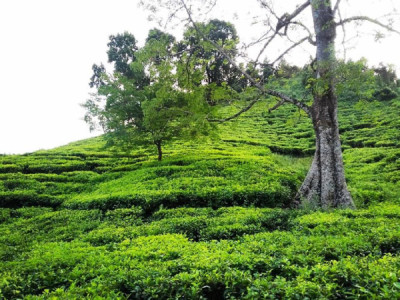
The defining feature of Birjhora Tea Estate is its green landscape. Rows of tea bushes cover the plantation and create a continuous carpet of vegetation across the gently undulating terrain.
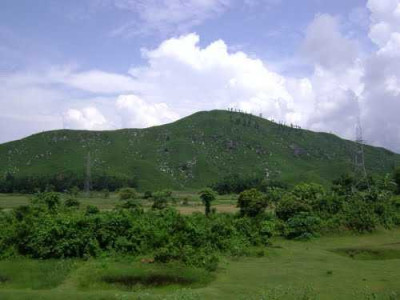
The land around Birjhora Hill adds another dimension to the scenery. Depending on the season and weather, visitors can see changing shades of green across the plantation, making the area attractive for photography and quiet sightseeing.
The estate is particularly appealing in the early morning and late afternoon when the light creates softer views across the tea fields. Visitors should remember that this is a working plantation and should only enter areas that are open to visitors.
Tea Cultivation at Birjhora
Tea cultivation is the central feature of Birjhora Tea Estate. Assam is internationally recognised for its tea-producing regions, and plantations such as Birjhora form an important part of the state's agricultural and cultural identity.
Fresh tea leaves are traditionally harvested by skilled workers who selectively pluck suitable leaves from the tea bushes. Visitors may have the opportunity to observe tea workers carrying out their daily work, subject to plantation access and operating schedules.
The experience gives travellers a better understanding of the work involved before Assam tea reaches processing facilities and eventually the market.
Assam Tea Experience
A visit to Birjhora Tea Estate can be a good introduction to Assam's tea culture. The plantation landscape shows how tea bushes are cultivated in organised rows and maintained throughout the growing season.
The quality and character of tea can vary according to factors such as the variety of tea plant, season, cultivation conditions, processing technique and harvesting practices. Visitors should therefore avoid assuming that every tea produced at the estate has exactly the same characteristics.
For tea enthusiasts, the attraction lies in seeing the plantation environment where tea cultivation takes place rather than simply purchasing a packaged product.
Tea Plucking and Plantation Life
One of the most interesting experiences at a working tea estate is observing tea plucking. Tea workers carefully collect suitable leaves from the bushes, an activity that requires experience and regular attention to the condition of the plants.
The sight of workers moving through long rows of tea bushes is also an important part of the visual identity of Assam's tea gardens.
Visitors should maintain a respectful distance from workers, avoid interrupting their work and ask permission before taking close-up photographs.
Birjhora Hill and Nearby Attractions
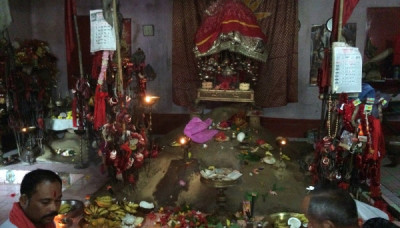
Birjhora Tea Estate is associated with the Birjhora Hill area of Bongaigaon and is close to other local attractions. The historic Bagheswari Temple is one of the notable landmarks in the surrounding area.
Because the tea estate is close to Bongaigaon town, visitors can combine a visit to the plantation with other historical, religious and natural attractions in the district.
This makes Birjhora Tea Estate particularly convenient for travellers who want to experience several aspects of Bongaigaon in a single day.
Things to Do at Birjhora Tea Estate
Depending on access and plantation permission, visitors can enjoy:
- Exploring the tea garden landscape
- Photographing tea plantations and surrounding hills
- Observing tea plucking
- Learning about Assam's tea-growing tradition
- Enjoying the peaceful green surroundings
- Visiting nearby Birjhora Hill
- Exploring nearby Bagheswari Temple
- Including the estate in a wider Bongaigaon sightseeing trip
Visitors should not enter plantation or factory areas without permission because the estate is a working agricultural property.
Best Time to Visit Birjhora Tea Estate
The cooler months from November to March are generally comfortable for outdoor sightseeing in Bongaigaon. The landscape can also be attractive during the spring and tea-growing seasons, depending on plantation activity.
Visitors interested in seeing tea plucking should ideally confirm plantation activity and visitor access before travelling because agricultural work follows seasonal cycles.
Early morning is particularly suitable for photography and sightseeing because temperatures are more comfortable and the soft light can enhance the appearance of the tea fields.
How to Reach Birjhora Tea Estate from Guwahati?
By Road
Guwahati is the main transport hub for travellers arriving from other parts of Assam. From Guwahati, visitors can travel towards Bongaigaon by road and then continue through the local roads towards the Birjhora Hill and Mayapuri area.
Once in Bongaigaon town, local taxis and auto-rickshaws can be used for the final part of the journey. Visitors should use current navigation information because plantation access points and local routes can vary.
By Train
Bongaigaon and New Bongaigaon are important railway points serving the region. Travellers arriving by train can take a local taxi or auto-rickshaw from the station towards the Birjhora area.
The short local journey makes it practical to visit the tea estate as part of a Bongaigaon sightseeing itinerary.
By Air
The nearest major airport is Lokpriya Gopinath Bordoloi International Airport in Guwahati. From the airport, visitors can continue towards Bongaigaon by road or rail and then use local transport to reach the tea estate.
Travellers should check current flight, train and road schedules before planning the journey.
Responsible Tourism
Visitors should remember that Birjhora Tea Estate is an active agricultural workplace. Tourists should stay on permitted paths, avoid damaging tea plants and never enter restricted plantation or factory areas.
Photography should be carried out respectfully, especially when workers are involved. Visitors should ask permission before taking close-up photographs of individuals.
Keeping the plantation clean and avoiding plastic waste will also help protect the attractive landscape.
Why Visit Birjhora Tea Estate?
Birjhora Tea Estate provides a simple way to experience one of the most recognisable elements of Assam's identity - its tea-growing landscape.
The combination of green tea bushes, Birjhora Hill, plantation activity and proximity to Bongaigaon makes the estate suitable for travellers interested in photography, nature, agriculture and local culture.
Unlike a conventional sightseeing monument, Birjhora offers an experience centred on Assam's living tea heritage. Seeing tea plants growing across the landscape and observing plantation work can provide a more authentic understanding of the region's tea culture.
Birjhora Tea Estate in Bongaigaon Tourism
Birjhora Tea Estate can be included in a broader Bongaigaon travel itinerary. The district has a mixture of natural, archaeological, religious and cultural attractions, allowing visitors to combine a tea plantation experience with other destinations.
A traveller can plan a day around the Birjhora area and nearby religious landmarks, while longer itineraries can include destinations such as Tamranga Lake, Shankar Gola Forest Reserve and the Rock Cut Caves at Jogighopa.
Final Note
Birjhora Tea Estate is a beautiful plantation destination in Bongaigaon that showcases the green landscape and living agricultural traditions associated with Assam tea. Its tea-covered slopes, proximity to Birjhora Hill and connection with local plantation life make it an appealing destination for visitors looking for a quieter experience away from conventional tourist attractions.
For anyone exploring Bongaigaon, a visit to Birjhora Tea Estate can offer a closer look at the landscape, people and agricultural traditions behind one of Assam's most famous products.
Quick Info About Birjhora Tea Estate
| Information | Details |
|---|---|
| Tourist Place | Birjhora Tea Estate |
| Also Known As | Birjhora Tea Garden |
| Location | Bongaigaon, Assam |
| District | Bongaigaon |
| State | Assam |
| Type | Working Tea Estate / Tea Plantation |
| Main Attraction | Scenic tea gardens |
| Nearby Landmark | Birjhora Hill |
| Nearby Religious Site | Bagheswari Temple |
| Main Experience | Tea plantation and local tea culture |
| Tea Activity | Tea cultivation and seasonal plucking |
| Best For | Nature, photography, tea tourism and sightseeing |
| Best Time | November to March for comfortable sightseeing |
| Nearest Railway Base | Bongaigaon / New Bongaigaon |
| Nearest Major Airport | Lokpriya Gopinath Bordoloi International Airport, Guwahati |
| Access from Bongaigaon | Local taxi or auto-rickshaw |
| Accommodation | Bongaigaon town |
| Factory Visit | Confirm with estate management |
| Plantation Access | Permission may be required |
| Entry Fee | Confirm with estate management |
| Visiting Hours | Confirm before visiting |
| Official District Contact | +91 3664 230889 |
| District Email | dc-bongaigaon@nic.in |
FAQS About Birjhora Tea Estate, Bongaigaon
1. Where is Birjhora Tea Estate located?
Birjhora Tea Estate is located in Bongaigaon district of Assam, close to Bongaigaon town and the Birjhora Hill area. The plantation is associated with the Mayapuri and surrounding local areas.
2. What is Birjhora Tea Estate famous for?
Birjhora Tea Estate is known for its green tea plantation landscape, scenic surroundings, tea cultivation and connection with Assam's tea-growing culture.
3. Can tourists visit Birjhora Tea Estate?
Visitors may be able to explore permitted areas of the plantation, but Birjhora is a working tea estate. It is advisable to obtain permission and confirm visitor access before entering the plantation or factory areas.
4. Can I see tea plucking at Birjhora Tea Estate?
Tea plucking may be observed when plantation operations are active and visitors are permitted in the relevant areas. Since agricultural activities vary seasonally, visitors should confirm the schedule with the estate before travelling.
5. What is the best time to visit Birjhora Tea Estate?
November to March is generally comfortable for sightseeing because of the cooler weather. Visitors interested in observing tea-plucking activities should check the plantation's current operating schedule before planning their visit.
6. How can I reach Birjhora Tea Estate from Guwahati?
From Guwahati, travellers can travel to Bongaigaon by road or train and then take a local taxi or auto-rickshaw towards the Birjhora Hill and Mayapuri area.
7. What is the nearest railway station to Birjhora Tea Estate?
Bongaigaon Railway Station and New Bongaigaon Junction are convenient railway points for reaching the Bongaigaon area. Local taxis and auto-rickshaws can be used for the onward journey.
8. Where can I stay near Birjhora Tea Estate?
Bongaigaon town is the most convenient place to stay. Visitors can use local hotels as a base and make a daytime visit to the tea estate.
9. Is Birjhora Tea Estate a good place for photography?
Yes. The rows of tea bushes, green plantation landscape, Birjhora Hill and surrounding scenery provide good opportunities for landscape and nature photography. Visitors should follow plantation photography rules and ask permission where required.
10. Whom should I contact before visiting Birjhora Tea Estate?
Visitors should contact the tea estate management to confirm access, photography permissions and any factory or plantation visit arrangements. For general tourism information, the Bongaigaon District Administration can be contacted at +91 3664 230889 or dc-bongaigaon@nic.in.