In Depth
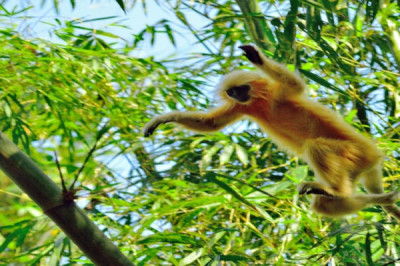
Shankarghola village is located in the North Salmara taluka of Bongaigaon district. Information documented through the Community Conserved Areas initiative describes the local forest as an area of about 50 hectares that has been protected through community efforts. The forest has also been associated with wildlife such as golden langur, barking deer and wild boar, along with a variety of birds including the black eagle.
Natural Beauty of Shankarghola
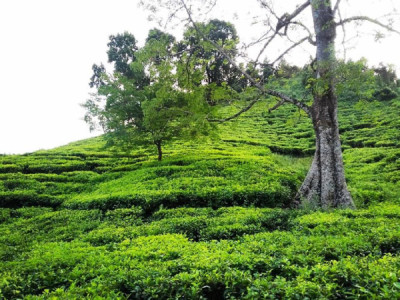
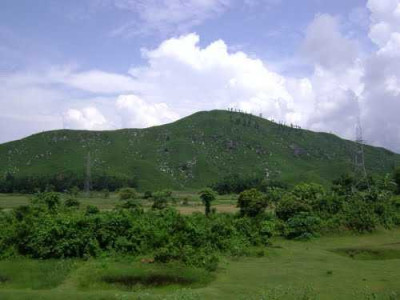
The main attraction of Shankarghola is its natural setting. The forest landscape provides visitors with an opportunity to experience the greenery of rural Bongaigaon away from busy urban areas. Trees, shrubs and other vegetation create a habitat for birds and small and medium-sized forest animals.
The area is especially attractive during the wetter months when the landscape becomes greener and seasonal water features are more prominent. Visitors looking for a relaxed outdoor experience can enjoy the surrounding forest environment, observe birds and explore the natural landscape.
The forest is not a large commercial wildlife park with extensive visitor infrastructure. Its appeal comes from its relatively quiet surroundings and the relationship between the local community and the forest.
Wildlife and Birdlife at Shankarghola
Shankarghola has ecological importance because its forest habitat supports a range of local wildlife. Documented information about the community-conserved forest mentions golden langur, barking deer and wild boar among the mammals associated with the area. The forest is also known for birdlife, including records of the black eagle.
Wildlife sightings are naturally unpredictable, so visitors should not expect guaranteed sightings of any particular animal. The best approach is to explore quietly, avoid disturbing wildlife and observe the forest from a safe distance.
Birdwatchers may find the quieter environment particularly interesting because forest and semi-rural habitats can attract different bird species at different times of the year.
Community Conservation at Shankarghola
One of the most distinctive aspects of Shankarghola is its connection with community-based forest conservation. Historical documentation of Shankarghola describes local residents protecting part of the forest and recognising its importance for biodiversity, particularly for golden langur conservation. The forest has also been described as a proposed reserved forest under the Aie Valley Forest Division.
The community-conservation background makes Shankarghola different from conventional tourist attractions. The area demonstrates how local communities can contribute to protecting natural habitats while maintaining their connection with the surrounding landscape.
The local economy has traditionally been connected with agriculture and other rural activities. Documentation of the area records cultivation of crops such as rice and jute, along with vegetables and other agricultural activities. Handloom work has also formed part of local livelihoods.
Waterfalls and Seasonal Water Features
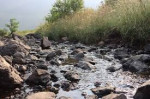
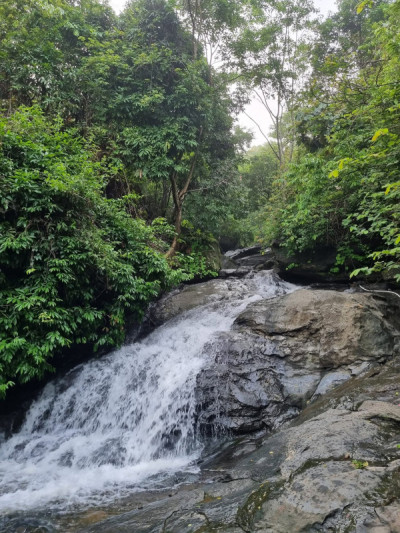
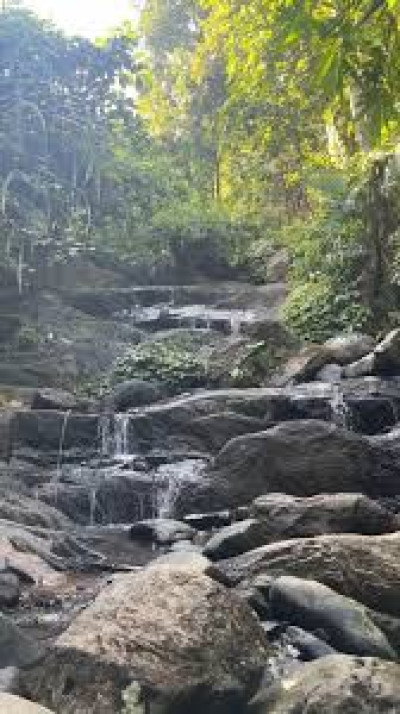
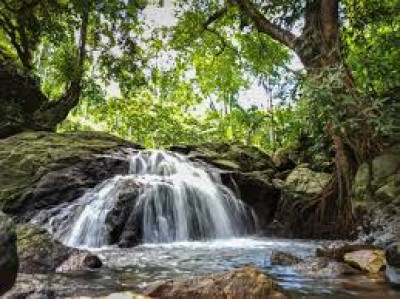
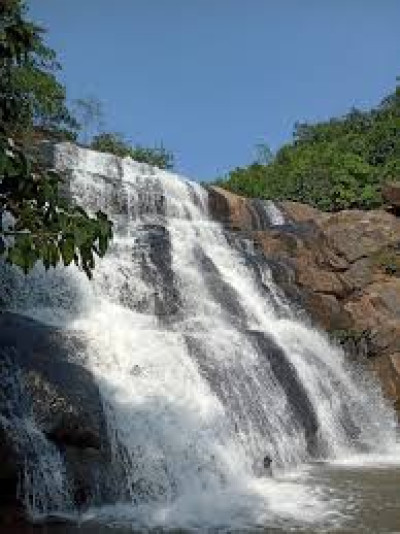
Local descriptions of Shankarghola highlight small seasonal waterfalls and flowing water features within the forest landscape. These are particularly attractive during the summer and monsoon periods when rainfall increases water flow.
The appearance and flow of seasonal waterfalls can change considerably according to rainfall. Visitors should therefore treat them as natural seasonal attractions rather than permanent waterfalls with guaranteed water throughout the year.
The combination of forest greenery, flowing water and surrounding rural scenery can make the area suitable for a short nature outing or photography trip.
Things to Do at Shankarghola Forest Reserve
Visitors can enjoy several low-impact activities at Shankarghola, including:
- Nature walks in suitable areas
- Birdwatching
- Nature photography
- Landscape photography
- Observing local vegetation
- Exploring the surrounding rural landscape
- Learning about community-based conservation
- Enjoying a peaceful outdoor day trip
Visitors should follow local guidance and avoid entering restricted forest areas or disturbing wildlife.
Why Visit Shankarghola Forest Reserve?
Shankarghola is worth visiting for travellers who prefer less commercialised natural destinations. Instead of large tourist facilities, the attraction is the forest itself, its biodiversity and the surrounding rural environment.
The destination can be particularly interesting for photographers, birdwatchers, students, nature enthusiasts and travellers exploring lesser-known tourist places in Bongaigaon.
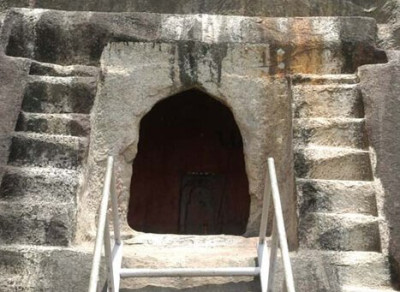
It can also be included in a wider Bongaigaon sightseeing plan along with destinations such as Kakoijana Reserve Forest, Koyakujia Beel, Tamranga Beel, Rock Cut Cave at Jogighopa and Lalmati Duramari Ganesh Mandir. Assam Tourism currently lists Shankarghola among the tourist attractions of Bongaigaon.
How to Reach Shankarghola Forest Reserve from Guwahati?
By Road
Road travel is the most practical option for visiting Shankarghola. From Guwahati, travellers can travel towards Bongaigaon and then continue towards the Chalantapara and Shankarghola area.
The exact local approach to the forest may depend on the part of the forest being visited and current road conditions. For this reason, hiring a local taxi or private vehicle from Bongaigaon is recommended rather than relying on a fixed public transport route directly to the forest.
By Train
Travellers can take a train from Guwahati towards Bongaigaon or New Bongaigaon. From the railway station, a taxi or local road transport can be arranged for the onward journey.
Bongaigaon is an important railway town in Assam and provides a practical transport base for exploring destinations in the district.
By Air
The nearest major airport for travellers coming from outside Assam is Lokpriya Gopinath Bordoloi International Airport in Guwahati. From the airport, visitors can continue by road or rail towards Bongaigaon and then travel locally to Shankarghola.
Because the exact road distance can vary depending on the selected route and access point, visitors should use current navigation information before travelling.
Where to Stay at Shankarghola Forest Reserve?
Bongaigaon town is the most convenient place to stay when planning a visit to Shankarghola Forest Reserve. Assam Tourism states that Bongaigaon has accommodation options ranging from budget hotels to higher-end properties.
Staying in Bongaigaon also makes it easier to visit several other attractions in the district during the same trip.
Visitors looking for a longer nature itinerary can plan their accommodation in Bongaigaon and make day trips to nearby forests, wetlands, archaeological sites and religious attractions.
Best Time to Visit Shankarghola Forest Reserve
Shankarghola can be explored at different times of the year, but the experience changes with the seasons.
The monsoon and immediately following months can provide particularly green scenery and stronger seasonal water flow. Winter is generally more comfortable for outdoor exploration because of the cooler weather.
For birdwatching and photography, early morning is generally preferable because the forest environment is quieter and bird activity can be higher.
Visitors should check the weather and local access conditions before travelling, particularly during periods of heavy rain.
Whom to Contact Before Visiting Shankarghola Forest Reserve?
Because Shankarghola is associated with a community-conserved forest area rather than a large commercial tourist complex, visitors should confirm local access and forest-related requirements before travelling.
For official forest-related guidance, visitors can contact the Aie Valley Forest Division in Bongaigaon.
The Bongaigaon District Administration can also provide general district-level tourism and administrative information.
Bongaigaon District Administration contact:
Phone: +91 3664 230889
Email: dc-bongaigaon@nic.in
Visitors should verify telephone numbers and local access arrangements before travelling because local contacts and administrative arrangements can change.
Responsible Tourism
Shankarghola is a natural area where responsible visitor behaviour is particularly important. Visitors should not litter, damage trees, remove plants, feed wildlife or make unnecessary noise.
Anyone visiting for photography or birdwatching should maintain a safe distance from animals and avoid disturbing birds or other wildlife.
If a local guide or community member assists with the visit, visitors should respect their instructions, particularly regarding access to forest areas and seasonal conditions.
Supporting local guides and businesses where available can also contribute to community-based tourism and conservation.
Shankarghola and Bongaigaon's Nature Tourism
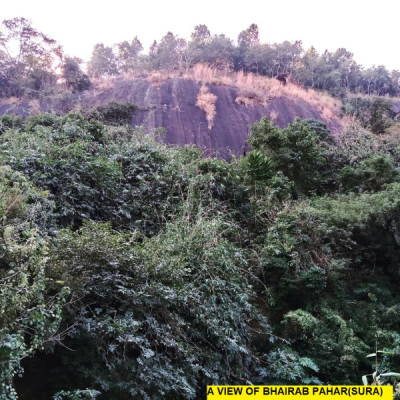
Bongaigaon district has several natural and cultural attractions, making it suitable for travellers interested in combining different types of experiences. Assam Tourism highlights destinations including Kakoijana, Koyakujia Beel, Tamranga Beel, Shankarghola, Bhairav Hill, Rock Cut Cave at Jogighopa and other heritage sites.
Shankarghola adds a quieter forest experience to this tourism circuit. Its importance comes from the combination of natural habitat, local community involvement and the opportunity to explore a less crowded part of Assam.
Final Note
Shankarghola Forest Reserve is an emerging nature destination in Bongaigaon district that offers visitors an opportunity to experience forest greenery, birdlife, seasonal water features and rural Assam. Its community-conservation background gives the destination additional ecological importance.
For travellers searching for lesser-known tourist places in Bongaigaon, Shankarghola can be a rewarding stop for nature walks, photography, birdwatching and peaceful outdoor exploration. A visit should be planned responsibly, with respect for the forest, wildlife and local communities that share a long-standing connection with the area.
Quick Info about Shankarghola Forest Reserve
| Information | Details |
|---|---|
| Tourist Place | Shankarghola or Shankar Gola Forest Reserve |
| Alternate Name | Shankarghola |
| Location | Shankarghola, North Salmara, Bongaigaon, Assam |
| District | Bongaigaon |
| State | Assam |
| Type | Forest and nature destination |
| Conservation | Community-conserved forest area |
| Forest Area Documented | About 50 hectares |
| Known Wildlife | Golden langur, barking deer, wild boar |
| Birdlife | Includes documented black eagle sightings |
| Main Attractions | Forest, birdlife, seasonal water features, rural landscape |
| Activities | Nature walks, birdwatching, photography, sightseeing |
| Best Season | Monsoon for greenery and seasonal waterfalls; winter for comfortable exploration |
| Nearest Major City | Bongaigaon |
| From Guwahati | Travel via Bongaigaon and continue by local road transport |
| Nearest Major Airport | Lokpriya Gopinath Bordoloi International Airport, Guwahati |
| Nearest Major Railway Base | Bongaigaon / New Bongaigaon |
| Accommodation | Bongaigaon town |
| Entry Fee | Confirm locally before visiting |
| Visiting Hours | Confirm local access before visiting; daytime is recommended |
| Official District Contact | +91 03664 230889 |
| District Email | dc-bongaigaon@nic.in |
FAQs About Shankarghola or Shankar Gola Forest Reserve
1. Where is Shankarghola Forest Reserve located?
Shankarghola Forest Reserve, also known as Shankarghola, is located in the North Salmara area of Bongaigaon district, Assam. Shankarghola village is associated with a community-conserved forest area.
2. What is Shankarghola Forest Reserve famous for?
Shankarghola is known for its green forest landscape, birdlife, wildlife habitat, seasonal water features and community-based conservation efforts. It is a lesser-known nature destination in Bongaigaon.
3. Can tourists visit Shankarghola Forest Reserve?
Visitors can explore the area subject to local access and forest regulations. Since it is associated with a community-conserved forest rather than a large commercial tourist park, it is advisable to check local conditions before visiting.
4. What animals can be found in Shankarghola?
Documented information about the Shankarghola forest mentions golden langur, barking deer and wild boar among the wildlife associated with the area. Wildlife sightings are not guaranteed and visitors should observe animals from a safe distance.
5. Is Shankarghola good for birdwatching?
Yes. Shankarghola has documented birdlife, including the black eagle, and its forest habitat can be interesting for birdwatchers and nature photographers.
6. What is the best time to visit Shankarghola Forest Reserve?
The monsoon period can offer greener scenery and stronger seasonal water flow, while winter is generally more comfortable for outdoor exploration. Early morning is a good time for nature observation and birdwatching.
7. How can I reach Shankarghola from Guwahati?
From Guwahati, visitors can travel towards Bongaigaon by road or train and then arrange local road transport towards the Shankarghola area. A private car or local taxi is generally more convenient for the final part of the journey.
8. Where should I stay when visiting Shankarghola?
Bongaigaon town is the most practical accommodation base for visitors. Assam Tourism states that Bongaigaon has hotels ranging from budget accommodation to higher-end properties.
9. Is Shankarghola suitable for a family day trip?
It can be suitable for a nature-oriented day outing, particularly for visitors who enjoy greenery, photography and peaceful surroundings. Families should follow local safety advice and avoid entering unsuitable or restricted forest areas.
10. Whom should I contact before visiting Shankarghola Forest Reserve?
For forest-related guidance, visitors can contact the relevant forest division in Bongaigaon. For general administrative information, the Bongaigaon District Administration can also be contacted at +91 03664 230889 or dc-bongaigaon@nic.in.