In Depth
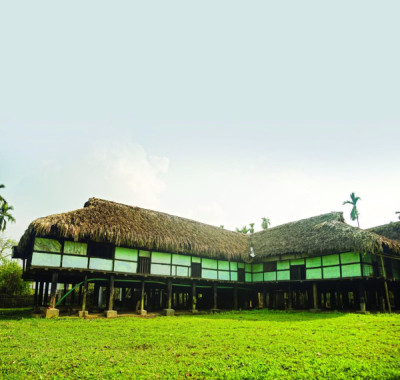
The village holds great historical value, as the Singpho people played a major role in the early discovery of wild tea plants in the region—long before the British began tea cultivation in Assam. Bisa Gaon continues to preserve these traditions through its age-old wooden houses, unique architecture, and vibrant community life.
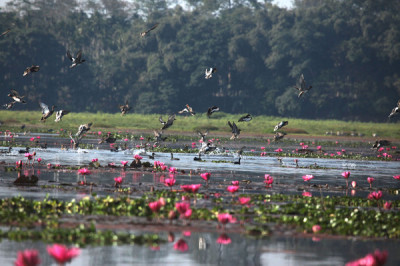
Geographically, Bisa Gaon is surrounded by rich biodiversity and a unique ecosystem. The Tirap and Dehing rivers flow along one side of the village, while the scenic Toklong beels (wetlands) add to the area’s ecological charm. This natural setting supports diverse flora and fauna, making it a peaceful and environmentally important destination in Upper Assam.
The region comprises two administrative settlements - Bisa Gaon No. 1 and Bisa Gaon No. 2 - each offering a glimpse into the traditional way of life of the Singpho tribe. The nearest town is Ledo, approximately 4 km away, providing easy access to essential services, markets, and transportation. Ledo Railway Station serves as the nearest rail link, while Dibrugarh Airport, located around 105 km away, connects the area to major cities.
Bisa Gaon is often highlighted as a heritage village due to its cultural value, tribal traditions, and historical relevance. It is an excellent destination for travelers interested in Assam’s indigenous communities, rural tourism, and offbeat experiences. The tranquil environment, traditional homes, and warm hospitality make it a memorable attraction in Tinsukia.