Life & Legacy
Early Life
Sri Haridev was born in 1426 CE on the auspicious day of Bhadra Shukla Panchami at Narayanpur in present-day Lakhimpur district of Assam. His father was Dwij Ajanabha, and his mother was Parijat Devi. Although his ancestors originally belonged to Kanyakubja (present-day Kannauj in Uttar Pradesh), the family later settled in Assam, where Haridev grew up in a deeply religious environment.
Education
Haridev belonged to a learned Brahmin family and received his sacred thread ceremony at the age of nine. He initially studied under Govinda Pandit, while his father personally taught him Sanskrit grammar. During his early years, he mastered Panini's grammar, the Vedas, Upanishads, Bhagavad Gita, Bhagavata Purana, and various branches of Indian philosophy. His exceptional scholarship earned him recognition as one of the finest religious scholars of medieval Assam.
Spiritual Journey
Inspired by the teachings of the Vedas and Bhagavata Purana, Haridev rejected ritualistic violence and animal sacrifice. During his spiritual journey, he travelled across many important pilgrimage centres, including Ashvaklanta, Hajo, Puri, and Kashi. He studied philosophy and religious scriptures under renowned scholars and was honoured with the titles Darshan Vedacharya and Bhagavat Acharya for his mastery of philosophy and Bhagavata literature.
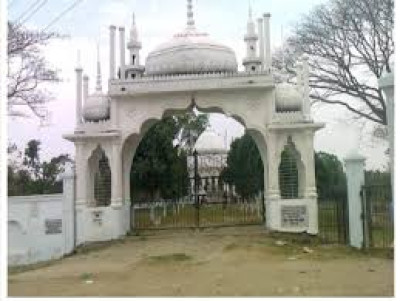
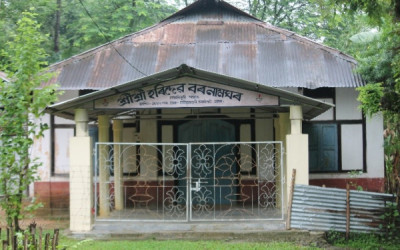
After returning to Assam, he established an ashram at Bahari in 1453, which later became known as Maneri Satra or Bahari Satra. His spiritual influence attracted followers from different sections of society, and even King Malladev of Koch Behar became his disciple and supported the establishment of Haripur Satra.
Teachings and Religious Philosophy
Sri Haridev believed in the worship of Lord Krishna as the Supreme Being based on the teachings of the Vedas, Bhagavad Gita, and Bhagavata Purana. He emphasized that sincere devotion, chanting the holy name of God, and guidance from a true Guru were the most effective paths to spiritual liberation.
Although he opposed animal sacrifice and unnecessary rituals, he respected other forms of worship, explaining that all sincere devotion ultimately leads to the same Supreme God. His philosophy encouraged compassion, self-discipline, humility, and ethical living, making religion accessible to ordinary people.
Establishment of Satras
Haridev established several important Vaishnavite institutions that became centres of spiritual learning and social reform. These Satras preserved Assamese religious traditions and helped spread Mahapurushiya Vaishnavism across different regions.
The major Satras established by Sri Haridev include:
- Maneri Satra
- Bahari Satra
- Haripur Satra
- Kaihati Satra
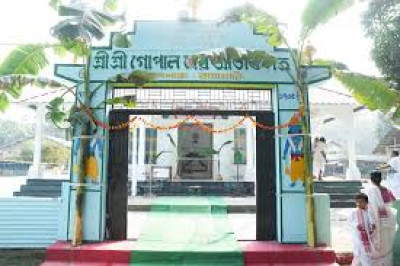
These institutions continue to preserve his teachings and remain important places of worship and cultural heritage in Assam.
Literary Contributions
Apart from being a religious preacher, Sri Haridev was an accomplished writer and lyricist. His writings combined Sanskrit philosophy with simple Assamese prose, making religious knowledge easier for common people to understand.
His important literary works include:
- Sharana Sanghita
- Bhaktiras Tarangini
- Ramabhishek
- Harinam Kirtan Paddhati
- Devotional songs and kirtans
Among these, Bhaktiras Tarangini is regarded as one of the earliest examples of Assamese prose literature, while Sharana Sanghita explains the philosophy of complete surrender to God.
Major Achievements
- One of the earliest propagators of Mahapurushiya Vaishnavism in Assam.
- Promoted non-violence and opposed animal sacrifice in religious worship.
- Established Maneri, Bahari, Haripur, and Kaihati Satras.
- Spread devotion to Lord Krishna through Ekasarana Dharma.
- Authored influential Assamese devotional and philosophical texts.
- Simplified religious teachings for ordinary people.
- Inspired several rulers and scholars to embrace Vaishnavism.
- Helped strengthen Assamese religious literature and Sattra culture.
Awards and Recognition
Formal awards did not exist during Sri Haridev's lifetime. However, his scholarship earned him the honorary titles Darshan Vedacharya and Bhagavat Acharya. He was also highly respected by Srimanta Sankardev, Sri Damodardev, and King Malladev of Koch Behar. His death anniversary, known as Haridev Tithi, is observed every year in Assam, and the Government of Assam recognizes the occasion with a restricted holiday.
Books and Literary Works
The major works associated with Sri Haridev include:
- Sharana Sanghita
- Bhaktiras Tarangini
- Ramabhishek
- Harinam Kirtan Paddhati
- Devotional songs and kirtans
Death
Sri Haridev continued preaching and guiding his followers throughout his life. He passed away in 1566 CE on Jyeshtha Amavasya at Bahari in present-day Barpeta district. His teachings continue to inspire devotees, scholars, and followers of Neo-Vaishnavism across Assam.
Legacy
Sri Haridev occupies a distinguished place in the religious history of Assam. His dedication to Lord Krishna, promotion of peaceful worship, establishment of influential Satras, and valuable literary contributions helped shape Assamese spirituality and culture. His philosophy of devotion, simplicity, and compassion remains relevant today, making him one of the most respected Vaishnavite saints in Assamese history.
FAQs on Sri Haridev
1. Who was Sri Haridev?
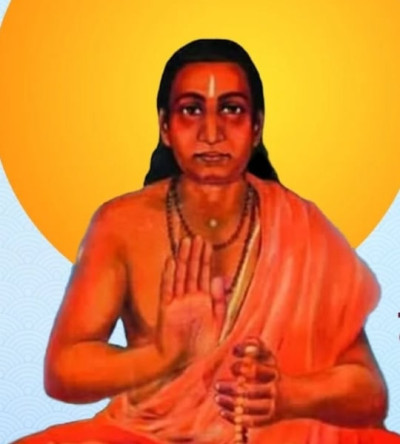
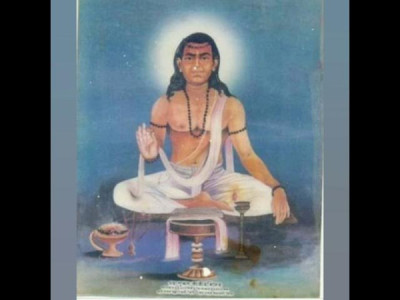
Sri Haridev was a renowned Vaishnavite saint, philosopher, scholar, and religious reformer who played an important role in spreading Mahapurushiya Vaishnavism and Ekasarana Dharma in Assam.
2. When was Sri Haridev born?
Sri Haridev was born in 1426 CE at Narayanpur in present-day Lakhimpur district of Assam.
3. What are the major teachings of Sri Haridev?
He taught devotion to Lord Krishna, non-violence, moral living, compassion, spiritual discipline, and the importance of a true Guru for attaining liberation.
4. Which Satras were established by Sri Haridev?
Sri Haridev established Maneri Satra, Bahari Satra, Haripur Satra, and Kaihati Satra to spread Mahapurushiya Vaishnavism.
5. What are the famous books written by Sri Haridev?
His major works include Sharana Sanghita, Bhaktiras Tarangini, Ramabhishek, Harinam Kirtan Paddhati, and several devotional songs.
6. Why is Bhaktiras Tarangini important?
Bhaktiras Tarangini is considered one of the earliest Assamese prose works explaining the philosophical teachings of the Bhagavata Purana in a simple and accessible manner.
7. What titles were awarded to Sri Haridev?
He received the honorary titles Darshan Vedacharya and Bhagavat Acharya for his outstanding scholarship in philosophy and religious scriptures.
8. When did Sri Haridev die?
Sri Haridev passed away in 1566 CE at Bahari in present-day Barpeta district, Assam.
9. Why is Haridev Tithi celebrated in Assam?
Haridev Tithi is observed every year to commemorate his spiritual teachings, literary contributions, and lasting influence on Assam's Neo-Vaishnavite tradition.
10. Why is Sri Haridev important in Assam's history?
Sri Haridev is remembered for strengthening Mahapurushiya Vaishnavism, establishing important Satras, promoting peaceful worship, and enriching Assamese religious literature and culture.