Hukoti: Traditional Fermented Fish of Assam
Hukoti, also known in some regions as Xukoti, is one of the most distinctive traditional foods of Assam. Prepared through a centuries-old fermentation process, this indigenous delicacy reflects the rich food heritage and preservation techniques practiced by various ethnic communities across the state. Particularly popular in Upper Assam, Hukoti is valued not only for its unique taste but also for its nutritional and cultural importance.
What is Hukoti?
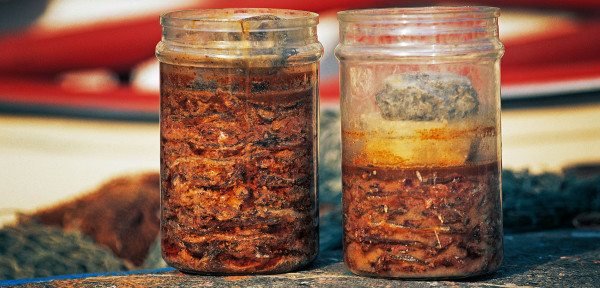
Hukoti is a fermented fish product traditionally made from small freshwater fish such as Puthi fish and other local river species. The fish are carefully cleaned, sun-dried, and sometimes further smoke-dried over a traditional kitchen fireplace. They are then mixed with colocasia stems and selected local leaves before being packed into bamboo tubes or earthen containers for natural fermentation.
The fermentation process develops Hukoti's characteristic pungent aroma and intense savoury flavour, making it a favourite ingredient in many Assamese households.
Traditional Method of Making Hukoti
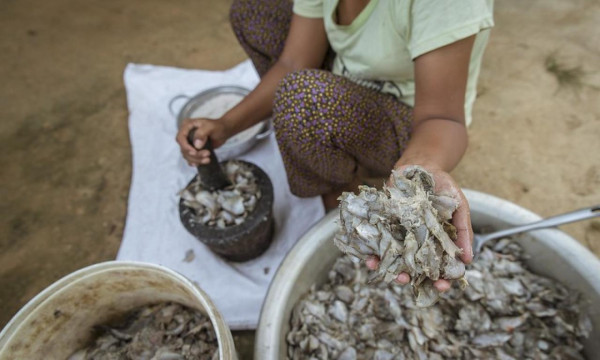
The preparation of Hukoti begins with freshly caught small freshwater fish. After cleaning, the fish are spread on bamboo mats and dried under the sun. In many traditional homes, the dried fish are also kept above the kitchen hearth where constant smoke helps preserve them further.
Once completely dried, the fish are pounded into a coarse mixture using traditional wooden mortars. Deskinned colocasia stems and tender local leaves are added and mixed thoroughly. The mixture is then tightly packed inside bamboo cylinders or earthen pots.
The containers are sealed using banana leaves and clay to prevent air from entering. They are stored near the kitchen fire for approximately three to four months. During this period, naturally occurring microorganisms break down proteins and fats, creating the distinctive flavour and texture that make Hukoti famous throughout Assam.
Different Variations Across Assam
Various ethnic communities prepare their own versions of fermented fish.
The Mishing community is known for Namsing, a fermented fish delicacy prepared with dried fish and local herbs.
Among the Bodo community, a similar product called Napham is highly popular and forms an important part of traditional cuisine.
Another widely known fermented fish product is Hidol or Shidol, recognised for its strong aroma and extensive use in Assamese cooking.
Although preparation methods vary slightly, all these products share the same principle of preserving fish through natural fermentation.
How Hukoti is Traditionally Eaten
Due to its strong flavour, Hukoti is usually consumed in small quantities.
One of the most popular preparations is Hukotir Chutney, where a small amount of Hukoti is mixed with garlic, ginger, roasted tomatoes, green chillies, salt, and sometimes Bhoot Jolokia. The mixture is often wrapped in banana leaves and lightly roasted to enhance its flavour.
Hukoti is also added to mashed potatoes, boiled vegetables, colocasia dishes, and traditional herbal curries to provide a rich umami taste.
Health Benefits of Hukoti
Beyond its culinary appeal, Hukoti is considered highly nutritious.
The fermentation process improves the digestibility of proteins and increases nutrient availability. It serves as an excellent source of high-quality protein, essential amino acids, Vitamin B12, and Omega-3 fatty acids.
Traditional knowledge and modern studies suggest that fermented fish products may support digestive health by promoting beneficial microorganisms. The bioactive compounds produced during fermentation may also contribute to cardiovascular wellness and antioxidant activity.
In several parts of Upper Assam, Hukoti has long been regarded as a traditional food associated with recovery from seasonal illnesses and fevers.
Cultural Importance of Hukoti
Hukoti represents much more than a food item. It showcases the ingenuity of Assamese communities in preserving fish long before modern refrigeration existed. The practice reflects a deep understanding of natural fermentation and sustainable food storage.
Today, Hukoti remains an important part of Assam's culinary identity. Whether enjoyed as a chutney, mixed with vegetables, or used in traditional recipes, this fermented fish delicacy continues to connect generations with the rich food traditions of the Brahmaputra Valley.
For food lovers interested in authentic Assamese cuisine, Hukoti offers a unique taste of Assam's cultural heritage and indigenous culinary wisdom.
What is Hukoti and Why is it Famous in Assamese Cuisine?