In Depth
The history of Maa Manipuri Than is closely connected with one of the difficult periods of Ahom rule. During the reign of Gaurinath Singha, the Ahom kingdom faced serious political and social disturbances associated with the Mua-Mariah rebellion. Manipuri allies played an important role in assisting the Ahom authorities during this turbulent period. Maa Manipuri Than is traditionally understood as a place established in recognition of this support and as a site connected with the efforts of the Ahom administration during the unrest.
This historical association makes Maa Manipuri Than different from an ordinary temple destination. A visit provides an opportunity to learn about the political history of the Ahom kingdom and the interaction between the Ahom and Manipuri communities. The site represents a period when political alliances and relationships between different communities played an important role in the history of Assam.
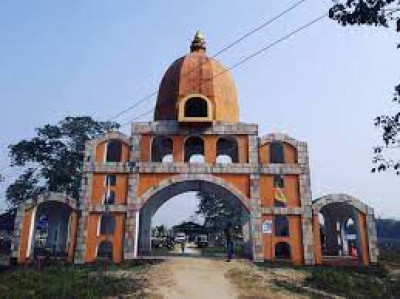
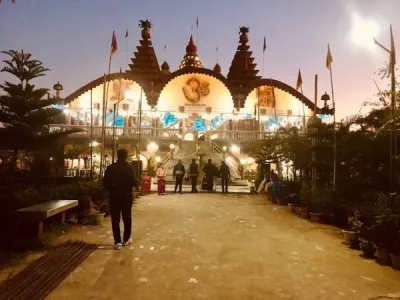
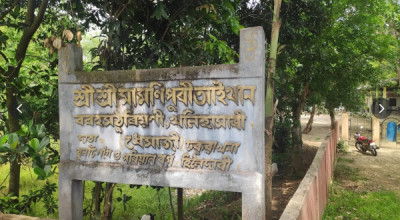
Maa Manipuri Than is situated approximately 25 km south-west of Dhemaji town. The district's official disaster-management documentation lists it as one of the two heritage sites of Dhemaji, along with Ghuguha Dol. The same documentation describes the location as a plain area surrounded by a predominantly rural landscape and notes that the site is not situated immediately beside a river.
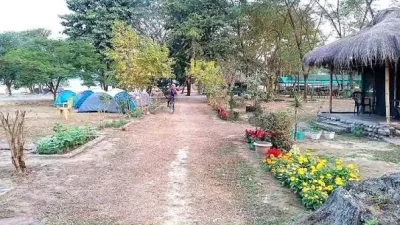
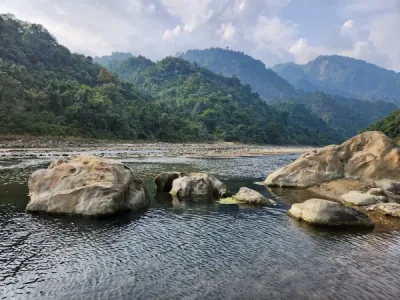
The surroundings are an important part of the experience. Unlike highly commercialised tourist destinations, Maa Manipuri Than offers a quieter setting where visitors can experience the religious atmosphere and countryside of Dhemaji. The greenery around the temple makes it suitable for visitors interested in history, culture, traditional religious sites and peaceful rural landscapes.
The heritage importance of the site is also reflected in its management. According to the Assam State Disaster Management Authority's district documentation, Maa Manipuri Than is managed by a trust formed by local residents belonging to the Panchayat. The trust is involved in activities related to management, heritage-building restoration and maintenance of associated water bodies.
For travellers exploring historical places in Dhemaji, Maa Manipuri Than can be included with nearby heritage destinations. Ghuguha Dol is another historically important site in the south-western part of the district, while Malini Than is another notable religious and archaeological destination in the wider region. Combining these places can provide a broader understanding of Dhemaji's religious, archaeological and cultural heritage.
The site is particularly relevant to visitors interested in Ahom history. The Ahom dynasty ruled Assam for several centuries and left a lasting influence on the region's political, cultural and architectural traditions. Maa Manipuri Than provides a connection to the later Ahom period and illustrates how historical sites can preserve memories of political events and relationships between communities.
Visitors should remember that Maa Manipuri Than remains a place of worship and should behave respectfully within the temple premises. Modest clothing, removing footwear where required and avoiding disturbance during religious activities are appropriate practices. Photography should also be carried out with consideration for devotees and local customs.
Maa Manipuri Than is therefore an interesting destination for anyone looking for historical and cultural places to visit in Dhemaji, Assam. Its connection with Gaurinath Singha, the later Ahom period, the Mua-Mariah unrest and Manipuri assistance gives the site a distinctive place in the history of Assam. Combined with its green surroundings and relatively peaceful atmosphere, the temple offers visitors a meaningful heritage experience away from the busier tourist circuits.
HISTORY OF MAA MANIPURI THAN
Maa Manipuri Than belongs to the historical landscape of the later Ahom kingdom. The site is associated with Ahom King Gaurinath Singha, whose reign coincided with a period of considerable political and social instability in Assam.
One of the major challenges of the period was the Mua-Mariah rebellion, which created serious difficulties for the Ahom state. During this period, Manipuri forces and communities are traditionally associated with providing assistance to the Ahom kingdom.
Maa Manipuri Than is understood as a historical reminder of this association. Rather than being significant only for religious reasons, the site preserves a connection to the political circumstances of the Ahom period and the relationship between the Ahom and Manipuri communities.
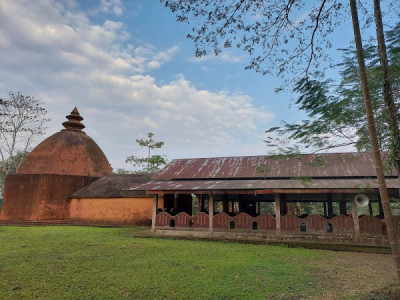
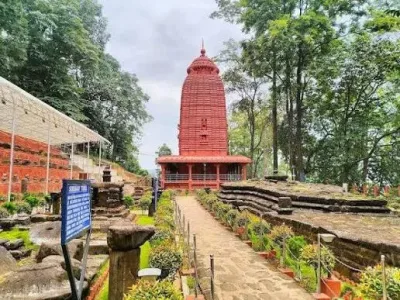
The Dhemaji district administration describes Maa Manipuri Than as an ancient temple established by the Ahom rulers and specifically identifies Gaurinath Singha as the ruler associated with its establishment.
The site consequently forms an important part of the heritage landscape of Dhemaji and provides an opportunity to understand a lesser-known chapter of Ahom history.
RELIGIOUS AND CULTURAL SIGNIFICANCE
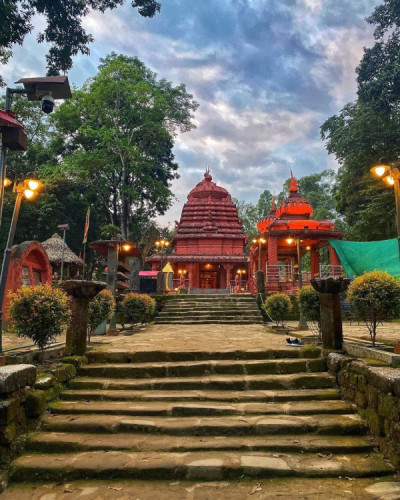
Maa Manipuri Than continues to function as a place of worship and attracts visitors interested in its religious importance as well as its historical background.
Its cultural significance comes from the connection between Assamese and Manipuri traditions. The history associated with the site reflects how communities from different parts of the region became connected through political circumstances and shared historical experiences.
The surrounding rural environment further contributes to the traditional character of the place. Visitors can experience a comparatively peaceful setting while learning about the historical events associated with the temple.
WHAT TO SEE AT MAA MANIPURI THAN?
BEST TIME TO VISIT MAA MANIPURI THAN
The winter and post-monsoon months from October to March are generally suitable for visiting Maa Manipuri Than because outdoor travel is more comfortable during this period.
Dhemaji has a humid and rainy climate, and the district is vulnerable to seasonal flooding. The official district documentation identifies floods as a major hazard in the region, although Maa Manipuri Than itself is situated at a relatively safer location away from the immediate river edge.
Visitors planning a trip during the monsoon should check local weather and road conditions before travelling.
HOW TO REACH MAA MANIPURI AAI THAN FROM GUWAHATI?
WHERE TO STAY NEAR MAA MANIPURI AAI THAN?
Dhemaji town is the most practical base for visitors planning to explore Maa Manipuri Than. Accommodation options are more readily available around the district headquarters than immediately around the temple.
Visitors can look for local hotels, guesthouses and other accommodation facilities in Dhemaji town. Staying in Dhemaji also makes it easier to arrange transport to nearby attractions such as Ghuguha Dol and other historical sites.
Accommodation availability can change, so travellers should confirm current room availability, facilities and prices directly with the property before travelling.
WHAT TO OFFER AT MAA MANIPURI AAI THAN?
Visitors who wish to make a religious offering should follow the customs followed at the temple on the day of their visit.
Common devotional items at Assamese temples may include flowers, incense, fruits, sweets and earthen lamps. However, visitors should ask the temple authorities or local devotees about the appropriate offerings before making them.
Visitors should not assume that every traditional ritual is performed every day. Religious practices may vary according to festivals, special occasions and local customs.
GENERAL GUIDELINES FOR VISITORS
Maa Manipuri Than is a religious and heritage site, so visitors should maintain a respectful environment.
Dress modestly while visiting the temple.
Remove footwear wherever the temple authorities require it.
Do not disturb devotees during prayers or religious ceremonies.
Ask before taking photographs inside restricted areas.
Do not damage, touch or remove heritage structures or objects.
Keep the temple premises and surrounding area clean.
Avoid littering.
During festivals, follow instructions issued by the temple management and local authorities.
Check local road and weather conditions before travelling, especially during the monsoon.
NEARBY PLACES TO VISIT
QUICK INFO TABLE ABOUT MAA MANIPURI AAI THAN
| Information | Details |
|---|---|
| Tourist Place | Maa Manipuri Than |
| Location | Dhemaji district, Assam, India |
| Direction from Dhemaji | South-west |
| Approximate Distance from Dhemaji Town | 25 km |
| Type | Historical temple and heritage site |
| Historical Period | Later Ahom period |
| Associated Ahom Ruler | Gaurinath Singha |
| Historical Association | Mua-Mariah period and Manipuri assistance |
| Religious Importance | Place of worship |
| Landscape | Rural plains with greenery |
| Nearest Major Town | Dhemaji |
| Nearest Railway Station | Dhemaji Railway Station |
| Air Gateways | Lilabari Airport / Dibrugarh Airport |
| Best Time to Visit | October to March |
| Ideal For | History, heritage, religion, culture and photography |
| Management | Local trust |
| Nearby Heritage Site | Ghuguha Dol |
| District | Dhemaji |
| State | Assam |
| Country | India |
FREQUENTLY ASKED QUESTIONS ABOUT MAA MANIPURI AAI THAN
- Where is Maa Manipuri Than located?
Maa Manipuri Than is located in Dhemaji district of Assam, approximately 25 km south-west of Dhemaji town. It is recognised as an important heritage site in the district.
- Why is Maa Manipuri Than famous?
Maa Manipuri Than is famous for its religious importance and its historical connection with the Ahom kingdom. The site is associated with Ahom King Gaurinath Singha and the Mua-Mariah period.
- Who established Maa Manipuri Than?
Historical references associated with the Dhemaji district identify Ahom King Gaurinath Singha as the ruler who established Maa Manipuri Than.
- What is the historical connection of Maa Manipuri Than with the Ahom kingdom?
The temple belongs to the historical period of the later Ahom kingdom and is associated with the political circumstances surrounding the Mua-Mariah unrest and the assistance provided by Manipuri allies.
- How far is Maa Manipuri Than from Dhemaji?
Maa Manipuri Than is approximately 25 km south-west of Dhemaji town. The exact travel distance may vary depending on the starting point and road used.
- How can I reach Maa Manipuri Than from Guwahati?
Visitors can travel from Guwahati to Dhemaji by road or train and then hire a local vehicle to reach Maa Manipuri Than. The final part of the journey is by road.
- What is the best time to visit Maa Manipuri Than?
October to March is generally a comfortable period for visiting the temple. During the monsoon, visitors should check weather and road conditions because Dhemaji is vulnerable to seasonal flooding.
- Is Maa Manipuri Than a heritage site?
Yes. The Assam State Disaster Management Authority's district documentation lists Maa Manipuri Than as one of the heritage sites of Dhemaji.
- Where can I stay while visiting Maa Manipuri Than?
Dhemaji town is the most convenient place to stay because it has accommodation, restaurants and local transport facilities. Visitors can use Dhemaji as a base for exploring Maa Manipuri Than and nearby attractions.
- What other tourist places can I visit near Maa Manipuri Than?
Visitors can combine Maa Manipuri Than with other destinations in the Dhemaji region, including Ghuguha Dol and Malini Than. Ghuguha Dol is particularly relevant for travellers interested in the historical heritage of the Ahom period.