In Depth
The history of Ghuguha Dol is associated with the Ahom period of Assam. The Assam Department of Archaeology attributes the construction of the present temple to Ahom King Siva Singha, who is believed to have built it for Queen Ambika Devi. At the same time, local traditions connect the wider site with Queen Ghuguhi and the legendary birth of Bamuni Konwar, making the place significant in regional folklore. These different historical traditions form an interesting part of the heritage associated with Ghuguha Dol.
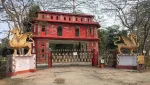
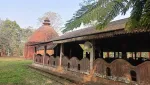
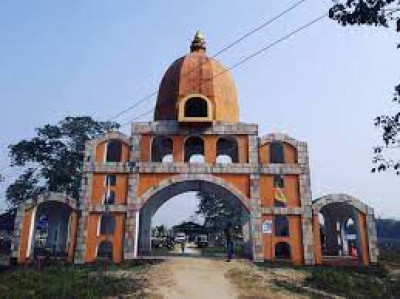
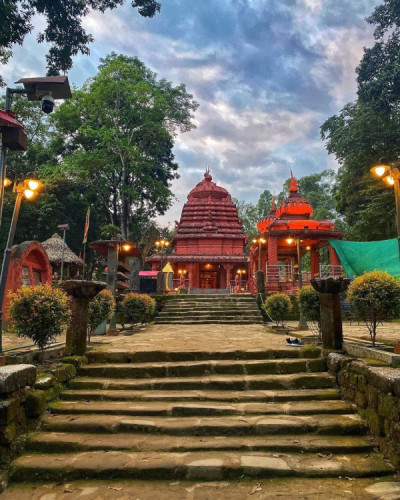
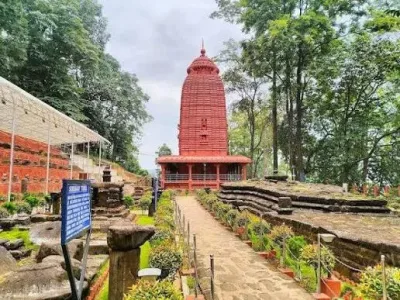
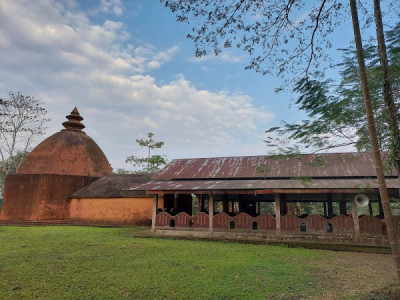
The temple is particularly notable for its unusual octagonal design. The main structure rises to around 43 feet and was constructed in an octagonal form from the base upwards. Although much of the original exterior decoration has been lost, the surviving structure provides an insight into the architectural traditions of the Ahom period. The adjoining pavilion has suffered damage over time, while archaeological conservation efforts have helped preserve the remaining monument.
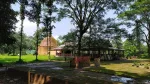
The temple complex covers a large area and contains several historic ponds. Remains of old fortifications can also be found around the site. Long-term vegetation growth caused considerable deterioration to portions of the monument, but the principal temple structure remains accessible. The absence of many original sculptures makes the surviving architectural form especially important for visitors interested in Assam's history.
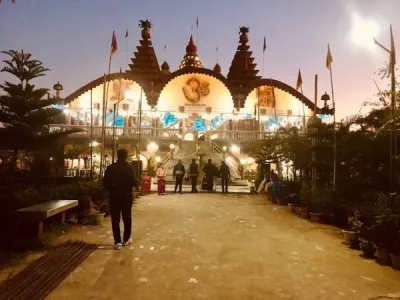
Ghuguha Dol is also connected with the continuing tradition of Shiva worship. Regular religious activities have been associated with the site since around the middle of the 20th century, and the temple continues to hold importance for local devotees. The surrounding countryside adds to the peaceful character of the destination, making it suitable for visitors interested in heritage, spirituality, photography and quiet rural landscapes.
What to See at Ghuguha Dol?
The main attraction is the historic octagonal temple structure, which reflects the architectural character of an old Assam heritage monument. Visitors can observe the surviving temple, the surrounding ponds and traces of earlier fortification. The open landscape around the complex, including paddy fields and distant hills, provides an attractive setting for photography and relaxed exploration.
Visitors interested in local history can also explore the traditions and stories associated with Queen Ghuguhi, Bamuni Konwar and the Ahom period. Nearby heritage and religious locations such as Malini Than and Maa Manipuri Than can also be considered when planning a wider Dhemaji sightseeing trip.
Best Time to Visit Ghuguha Dol
The best time to visit Ghuguha Dol is generally from October to March, when the weather in Dhemaji is more comfortable for sightseeing and outdoor travel. Winter is particularly suitable for exploring the temple complex and surrounding countryside. Visitors should preferably plan their visit during daylight hours.
How to Reach Ghuguha Dol from Guwahati?
By Road: From Guwahati, travel towards Dhemaji through the major road network connecting Upper Assam. After reaching Dhemaji town, continue towards Ghuguha village using local roads. The temple is approximately 20-23 km from Dhemaji town.
By Train: Dhemaji Railway Station is the nearest convenient railway station for reaching the area. From the station or Dhemaji town, visitors can hire a local taxi, auto-rickshaw or other local transport to reach Ghuguha Dol.
By Air: Lilabari Airport near North Lakhimpur is one of the nearest airports for visitors travelling by air. From the airport, taxis and road transport can be used to reach Dhemaji and subsequently Ghuguha Dol.
Local Transport: Auto-rickshaws, hired cars and local vehicles can be used for the final journey from Dhemaji town. Since local road conditions and transport availability can vary, checking with local drivers before travelling is recommended.
Where to Stay near Ghuguha Dol, Dhemaji?
There are limited accommodation facilities immediately around Ghuguha Dol, so visitors can stay in Dhemaji town or nearby areas. Local hotels, lodges and guesthouses provide basic accommodation and food facilities. Visitors looking for more options can also consider stays around Gogamukh or along the main highway routes, depending on their travel itinerary.
Visitor Tips
Carry drinking water and basic travel essentials, particularly when visiting from outside Dhemaji town. Respect the religious nature of the site and local customs. Avoid damaging or climbing on historical structures. Photography should be carried out responsibly, especially during religious activities. Keeping the temple complex and surrounding area clean will also help preserve this heritage destination.
Quick Info About Ghuguha Dol, Dhemaji
| Information | Details |
|---|---|
| Tourist Place | Ghuguha Dol |
| Other Name | Ghuguha Doul / Ghuguha Temple |
| District | Dhemaji |
| State | Assam |
| Location | Near Ghuguha village, Dhemaji, Assam |
| Distance from Dhemaji | Approximately 20-23 km |
| Historical Period | Ahom period |
| Associated Ruler | King Siva Singha |
| Architectural Style | Octagonal temple structure |
| Approximate Height | 43 feet |
| Religious Association | Shiva worship |
| Surroundings | Paddy fields, ponds and rural landscape |
| Best Time to Visit | October to March |
| Recommended Visit | Daytime |
| Nearest Town | Dhemaji |
| Nearest Railway Station | Dhemaji Railway Station |
| Nearest Airport | Lilabari Airport |
| Suitable For | History, heritage, spirituality, photography and sightseeing |
FAQs About Ghuguha Dol, Dhemaji
- What is Ghuguha Dol famous for?
Ghuguha Dol is famous for its historical importance, Ahom-era association, unusual octagonal temple architecture and religious significance in Dhemaji district of Assam.
- Where is Ghuguha Dol located?
Ghuguha Dol is located near Ghuguha village in Dhemaji district of Assam, approximately 20-23 km from Dhemaji town.
- Who built Ghuguha Dol?
According to the Assam Department of Archaeology, the existing temple is attributed to Ahom King Siva Singha, who is associated with its construction for Queen Ambika Devi.
- What is the history of Ghuguha Dol?
Ghuguha Dol has connections with the Ahom period and local traditions involving Queen Ghuguhi and Bamuni Konwar. Different historical accounts describe the origins of the site, while archaeological records associate the present temple with the reign of Siva Singha.
- What is special about the architecture of Ghuguha Dol?
The main temple is notable for its octagonal shape and is approximately 43 feet high. The structure is unusual and provides an interesting example of historical temple architecture in Assam.
- How far is Ghuguha Dol from Dhemaji town?
Ghuguha Dol is approximately 20-23 km from Dhemaji town, although the exact distance can vary depending on the route used.
- What is the best time to visit Ghuguha Dol?
October to March is generally a good period to visit Ghuguha Dol because of the more pleasant weather in Dhemaji.
- How can I reach Ghuguha Dol from Guwahati?
Visitors can travel from Guwahati to Dhemaji by road or train and then continue by local taxi, auto-rickshaw or private vehicle to Ghuguha Dol.
- Are there hotels near Ghuguha Dol?
Accommodation is limited immediately around the monument. Visitors can stay in Dhemaji town, where local hotels, lodges and guesthouses are available.
- What other places can I visit near Ghuguha Dol?
Visitors can include nearby heritage and religious attractions such as Malini Than and Maa Manipuri Than in a wider Dhemaji sightseeing itinerary.