In Depth
Habung is also significant because its history appears to extend beyond the Ahom period. Historical and epigraphic studies have associated the region with an early province mentioned in a 10th-century copper-plate inscription of Ratnapala of the Pala dynasty of Kamarupa. The identification of that province with Habung has been debated by historians, so it is more appropriate to view the evidence as part of the wider historical discussion surrounding the region rather than as an uncontested identification.
During the medieval period, the Habung area was connected with the Chutia kingdom, and copper-plate land grants provide evidence of Brahmin settlements and administrative activity in the wider region. Later, the area became part of the expanding Ahom political sphere. These successive historical phases make Habung particularly interesting for people who want to understand how different kingdoms, communities, agricultural settlements and political traditions developed in the Brahmaputra Valley.
The association of Habung with Chaolung Sukaphaa is one of its most important attractions. After entering the Brahmaputra Valley in the 13th century, Sukaphaa and his followers explored several locations while looking for suitable land for settlement and wet-rice cultivation. Habung became one of the important places associated with this early phase of Ahom settlement. Historical traditions state that Sukaphaa stayed in the region for a number of years before moving towards Charaideo, which later became the permanent and symbolic centre of the Ahom kingdom.
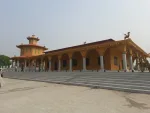
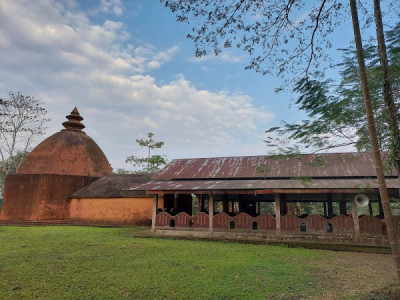
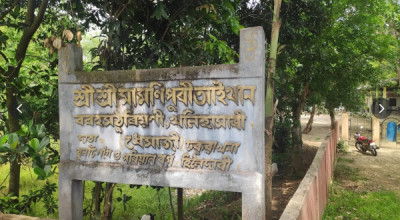
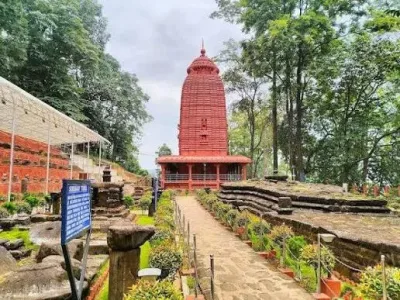
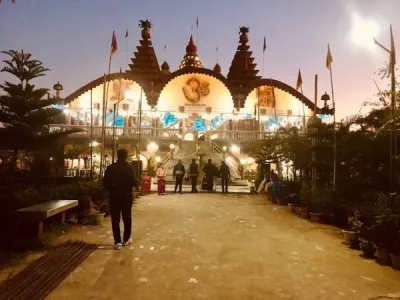
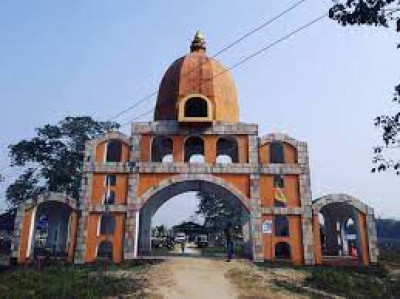
The importance of Habung is not limited to written history. The site also preserves elements connected with Tai-Ahom cultural traditions. The Habung Chao-Chen-Ren and Holung Ho-Phi are among the important structures associated with the heritage site. The Assam government has supported the development of these facilities, and the Habung Chao-Chen-Ren and Holung Ho-Phi building were inaugurated during a Me-Dam-Me-Phi programme at the site. Me-Dam-Me-Phi is an important Tai-Ahom ancestral observance, giving Habung continued cultural relevance beyond its historical associations.
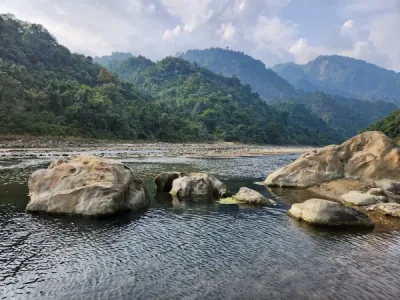
Visitors interested in the cultural landscape of Habung can also look for traditional ponds and the historical remains associated with the site. Local traditions connect some of these features with the period of Sukaphaa's settlement. The surrounding landscape, agricultural fields and rural environment add to the experience of visiting this lesser-known historical destination in Upper Assam.
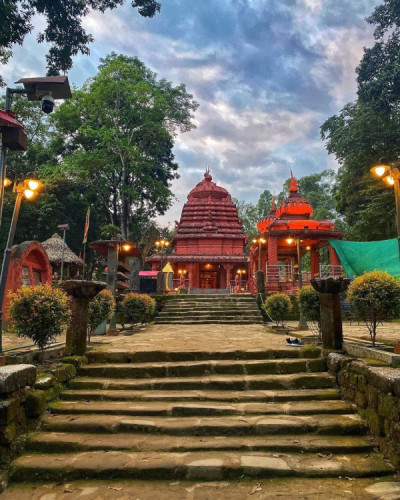
For travellers interested in Assam's history, Habung can be considered together with other important Ahom and medieval heritage destinations. Charaideo, the historic centre of the Ahom kingdom, is particularly relevant for understanding the later development of Ahom royal traditions. Dhemaji and neighbouring parts of Upper Assam also contain several temples, cultural sites, river landscapes and heritage destinations that can be explored as part of a broader historical journey.
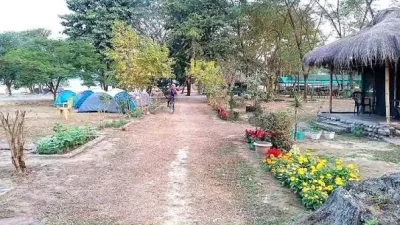
The Assam government has recognised Habung's heritage value and has undertaken development and beautification work at the historic site, including internal pathways, land development, landscaping, gardening, parking, seating and external lighting. This indicates the continuing effort to improve the visitor environment while preserving the site's historical importance.
Habung is especially suitable for history enthusiasts, students, researchers, photographers, cultural travellers and visitors interested in the early history of the Ahom dynasty. It is not primarily a conventional entertainment destination; its appeal comes from its historical associations, cultural atmosphere and connection with the evolution of Assam's medieval society.
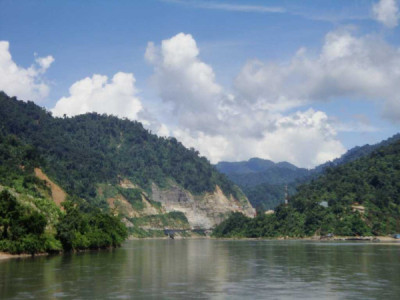
The location also provides an opportunity to experience the quieter side of Dhemaji. The district lies on the north bank of the Brahmaputra and is surrounded by a landscape shaped by rivers, agricultural land and the foothills of Arunachal Pradesh. Visitors can therefore combine a visit to Habung with other destinations in and around Dhemaji for a broader Upper Assam travel experience.
For anyone researching the history of the Ahom kingdom, the journey of Chaolung Sukaphaa or the development of early settlements in Assam, Habung is a destination worth exploring. Its combination of historical traditions, archaeological and epigraphic references, Tai-Ahom cultural heritage and rural surroundings makes it one of the notable heritage places to visit in Dhemaji, Assam.
HISTORICAL SIGNIFICANCE OF HABUNG
Habung is important because its history is connected with several major political and cultural phases of Assam.
The earliest historical references associated with the region are connected with 10th-century Kamarupa-period records. Later, the area was linked with the Chutia kingdom, whose rulers issued land grants in the region. During the 13th century, Habung became associated with the early movement and settlement of Chaolung Sukaphaa and his followers.
The traditional account of Sukaphaa's stay at Habung is particularly important in Ahom history. It represents a period when the Ahoms were establishing themselves in the Brahmaputra Valley and developing relationships with local communities. Agricultural settlement, particularly wet-rice cultivation, played an important role in this process.
Habung later became part of the expanding Ahom state. Its historical story therefore reflects the changing political landscape of medieval Assam and the interaction between different communities and kingdoms.
Because some details concerning the exact ancient boundaries and identification of Habung remain subjects of historical debate, visitors should treat individual traditional claims with appropriate context. The broader importance of Habung as a historical region and its association with Ahom heritage are well established in modern government and tourism references. The Dhemaji district administration currently lists Habung among its places of interest.
WHAT TO SEE AT HABUNG?
BEST TIME TO VISIT HABUNG
The most comfortable period to visit Habung is generally from October to March, when the weather in Upper Assam is comparatively pleasant and outdoor travel is easier. The post-monsoon months can also provide greener surroundings, although local road and weather conditions should be checked before travelling.
Visitors interested specifically in Tai-Ahom cultural events can also check the local schedule for Me-Dam-Me-Phi and other heritage programmes before planning their trip.
HOW TO REACH HABUNG FROM GUWAHATI?
WHERE TO STAY NEAR HABUNG?
Habung itself is a heritage destination rather than a major commercial tourist centre, so visitors will generally find more accommodation options in Dhemaji town than immediately around the historical site.
Dhemaji town has hotels and restaurants suitable for travellers who want to stay overnight and explore Habung and other nearby destinations. Visitors travelling from outside Assam may also consider staying in Dibrugarh or another larger nearby town if their itinerary includes several Upper Assam destinations.
For a visit focused specifically on Habung, staying in Dhemaji is usually the more convenient option because it allows travellers to arrange local transport and explore the surrounding district.
WHOM TO CONTACT FOR INFORMATION
For official district-level information, visitors can contact the Deputy Commissioner and district administration of Dhemaji.
The Dhemaji district administration currently provides these contact details on its official website. Visitors should confirm local access, road conditions, public facilities and any special event arrangements before travelling.
TRAVEL TIPS FOR HABUNG
Carry sufficient drinking water and basic travel essentials, particularly when travelling during quieter periods.
Wear comfortable footwear because some heritage areas may involve walking on uneven or outdoor surfaces.
Respect the cultural and religious nature of the site.
Avoid damaging, touching or removing historical objects or structures.
Ask local residents before photographing people, religious activities or private property.
Check the weather and local road conditions before starting the journey.
If travelling during a festival or cultural programme, confirm timings and local arrangements in advance.
Combine Habung with other Dhemaji attractions to make better use of your travel time.
QUICK INFO ABOUT HABUNG, DHEMAJI
| Information | Details |
|---|---|
| Tourist Place | Habung |
| Location | Dhemaji district, Assam, India |
| Type | Historical and cultural heritage site |
| Main Significance | Associated with early Ahom history and Chaolung Sukaphaa |
| Historical Periods | Kamarupa, Chutia and Ahom historical phases |
| Major Heritage Structures | Chao-Chen-Ren and Holung Ho-Phi |
| Cultural Association | Tai-Ahom heritage and Me-Dam-Me-Phi |
| Nearest Major Town | Dhemaji |
| Nearest Railway Station | Dhemaji Railway Station |
| Air Connectivity | Lilabari Airport / Dibrugarh Airport |
| Best Time to Visit | October to March |
| Ideal For | History, heritage, culture, photography and educational visits |
| Entry Information | Check locally before visiting |
| Accommodation | Mainly available in Dhemaji town |
| Official District Contact | Deputy Commissioner, Dhemaji |
| Phone | +91-6026210875 |
| dc-dhemaji@nic.in |
FAQS ABOUT HABUNG, DHEMAJI
- Where is Habung located in Assam?
Habung is a historic region and heritage destination associated with present-day Dhemaji district in Assam. The area lies in Upper Assam on the north bank of the Brahmaputra.
- Why is Habung famous?
Habung is famous for its historical association with Chaolung Sukaphaa and the early history of the Ahom kingdom. It is also important for its wider Kamarupa, Chutia and Tai-Ahom historical connections.
- Is Habung related to Chaolung Sukaphaa?
Yes. Historical traditions associate Habung with Chaolung Sukaphaa, the founder of the Ahom dynasty, who is said to have stayed in the region for several years before establishing the permanent Ahom capital at Charaideo.
- Is Habung a tourist place in Dhemaji?
Yes. Habung is recognised as a place of interest by the Dhemaji district administration and is being developed as a historical and cultural tourism destination.
- What can I see at Habung?
Visitors can explore the Habung Chao-Chen-Ren, Holung Ho-Phi and other cultural and landscape features associated with the historic site. The surrounding rural environment also adds to the experience.
- What is the best time to visit Habung?
October to March is generally a comfortable period for visiting Habung because the weather is more suitable for outdoor sightseeing. Visitors should also check local conditions before travelling.
- How can I reach Habung from Guwahati?
You can travel from Guwahati towards Dhemaji by road or train and then continue to Habung by local road transport. Air travellers can use Lilabari or Dibrugarh as gateways to the Dhemaji region.
- Where can I stay when visiting Habung?
Dhemaji town is the most practical place to look for hotels and restaurants. Staying in Dhemaji also makes it easier to arrange local transportation to Habung and other attractions.
- Is Habung important for Ahom history?
Yes. Habung is significant because of its association with the early settlement history of the Ahoms and Chaolung Sukaphaa. It helps visitors understand the early stages of Ahom expansion and settlement in the Brahmaputra Valley.
- Who can I contact for information about visiting Habung?
For official district-level information, visitors can contact the Dhemaji district administration at +91-6026210875 or dc-dhemaji@nic.in. It is advisable to confirm local travel conditions and event information before visiting.