Detailed Notes
Architectural Concept and Cultural Influence
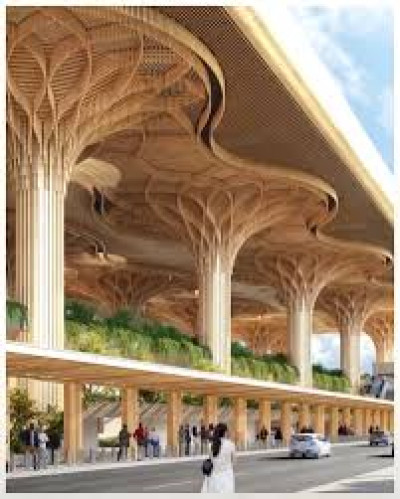
The design of the new terminal celebrates Assam's heritage by integrating traditional elements into a world-class structure. Inspired by the foxtail orchid (kopou phool), bamboo artistry, and local weaving patterns, the terminal blends modernity with indigenous culture. The building's façade and interiors prominently feature bamboo textures, eco-friendly materials, and decorative motifs representing the state's biodiversity. This artistic integration not only enhances the visual appeal but also reflects the region's cultural pride.
Infrastructure and Capacity Upgrades
The new terminal spans approx. 140,000 sq. m, making it one of the largest airport terminals in Eastern India. It has been designed to cater to 13.1 million passengers per annum (MPPA), significantly expanding Guwahati Airport's existing capacity. This upgrade is crucial, as passenger movement in the Northeast has been steadily rising due to tourism, business travel, government projects, and improved regional air connectivity.
Key infrastructure highlights include:
-
64 check-in counters equipped with advanced baggage-handling systems
-
20 self-check-in kiosks for seamless and faster processing
-
10 aerobridges connecting aircraft directly to the terminal
-
Spacious arrival and departure lounges
-
Modern immigration and security systems
-
A high-capacity hold baggage screening system
-
Multiple food courts, premium lounges, duty-free outlets, and retail spaces
The new terminal features bright natural lighting, wide concourses, green walls, indoor plants, and open spaces that create a relaxing environment for passengers. Skylights and large glass panels help reduce energy consumption while enhancing the aesthetic appeal.
Sustainability and Green Building Features
One of the strongest highlights of Guwahati Airport's new terminal is its sustainability-led approach. The building uses eco-friendly construction materials, solar power integration, rainwater harvesting systems, and modern waste management practices. Its green design features contributed to the terminal receiving international recognition, including the International Architecture Award 2025 for innovative and sustainable infrastructure.
The Zero Liquid Discharge (ZLD) system ensures that wastewater is treated and reused, minimizing environmental impact. The extensive use of natural lighting also reduces reliance on artificial energy sources, making the terminal a model for green aviation infrastructure.
Regional Importance and Economic Impact
The new terminal at LGBIA is more than an architectural accomplishment; it serves as a key driver for Assam's socio-economic growth. By strengthening air connectivity, the terminal is expected to boost:
-
Tourism in Assam and the Northeast
-
Trade and business travel
-
Job opportunities in aviation and hospitality
-
Direct flights to major Indian and Southeast Asian destinations
-
Regional connectivity with Bhutan and neighboring countries
It also positions Guwahati as a regional air hub, enabling better coordination with the UDAN scheme and international aviation networks.
Inauguration and Present Status
Prime Minister Narendra Modi is scheduled to inaugurate the newly constructed terminal building during his visit to Assam on December 20, 2025. As per ongoing updates, construction work, interior finishing, and external connectivity roads are progressing swiftly to meet the expected timeline.
Once operational, passengers will experience a completely upgraded gateway to the Northeast with faster processing, enhanced safety, and a culturally enriched ambiance.
Why the New Terminal Matters
-
It marks a significant leap in Northeast India's aviation capabilities.
-
It combines culture, sustainability, and modern technology in one integrated facility.
-
It improves air travel efficiency and supports long-term regional development.
-
It symbolizes Assam's rising importance in India's economic and strategic landscape.
The new terminal at Guwahati Airport promises to bring a world-class travel experience to the region, while acting as a cultural showcase and a catalyst for future growth.