Detailed Notes
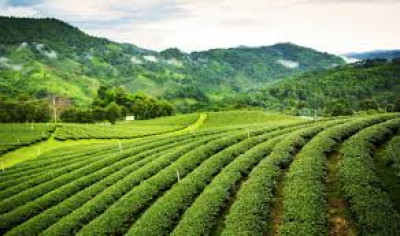
Tea cultivation in Assam began in the early nineteenth century and rapidly expanded due to the regions humid climate, rich alluvial soil, and abundant rainfall. Today, Assam produces some of the strongest and most flavourful black teas in the world, including CTC, Orthodox, and specialty varieties that are exported globally.
Key highlights of tea gardens in Assam
Assam has the highest concentration of tea gardens in India
Major tea hubs include Dibrugarh, Tinsukia, Jorhat, Golaghat, Sonitpur, and Cachar
Famous estates such as Halmari, Monabarie, Mokalbari, Hathikuli, and Corramore are internationally recognised
Tea gardens support lakhs of livelihoods and form the backbone of rural Assam
Many gardens are more than 150 years old and reflect colonial and indigenous tea heritage
Below is a district-wise overview of tea gardens in Assam based on available records. The numbers indicate the approximate count of registered tea estates in each district.
District-wise Tea Estates of Assam (Count & Names)