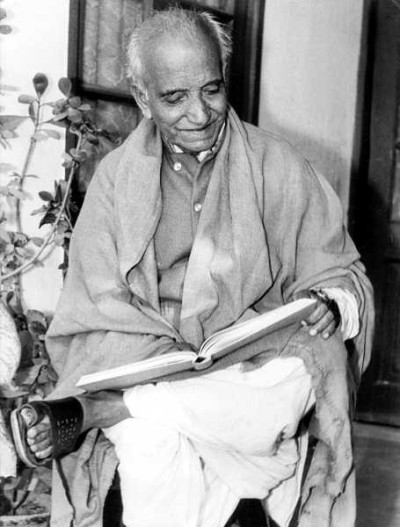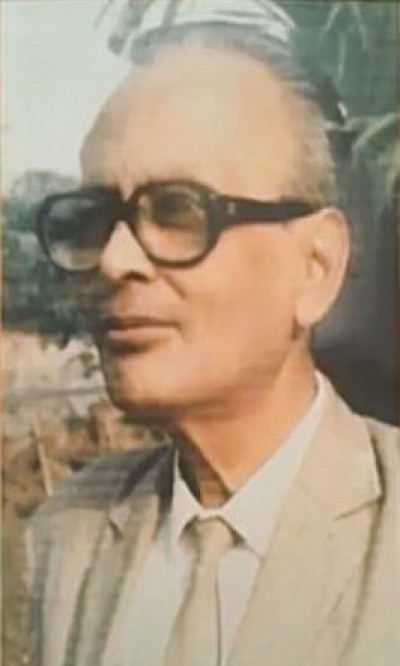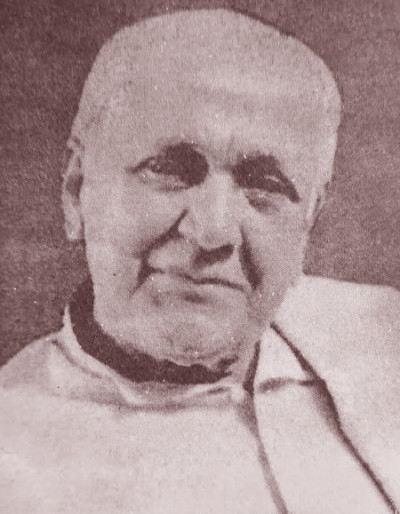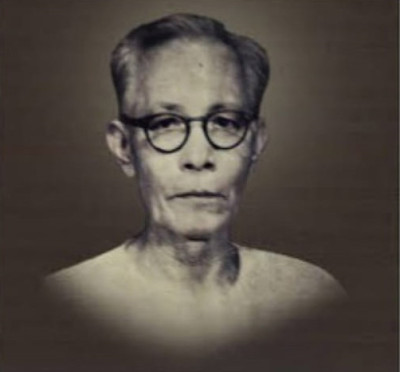
Life & Legacy
Early Life
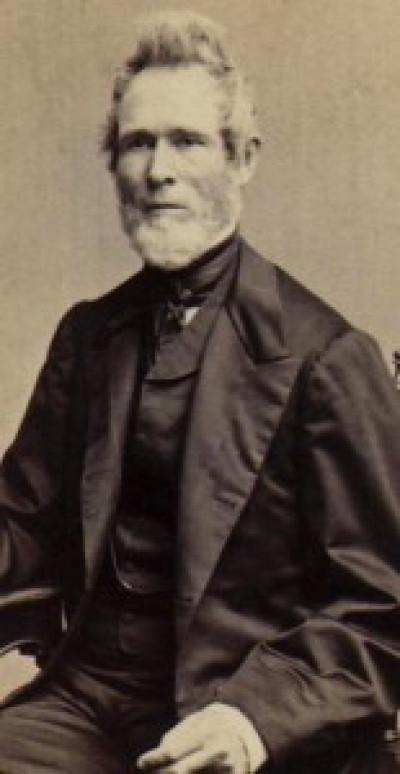
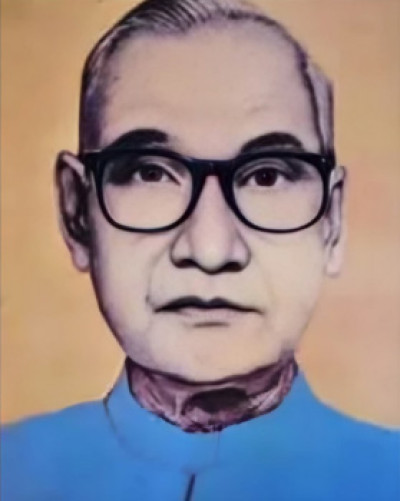
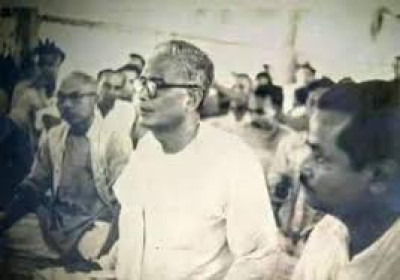
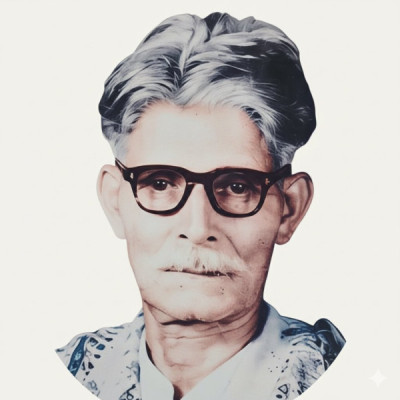
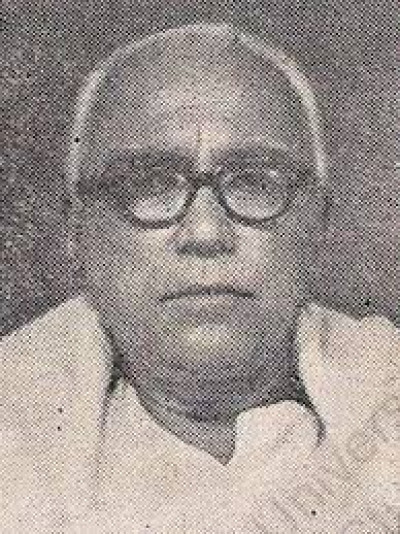
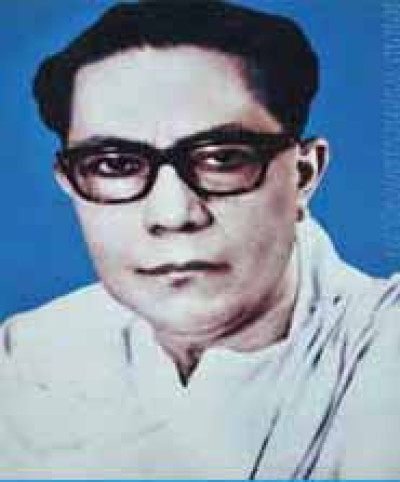
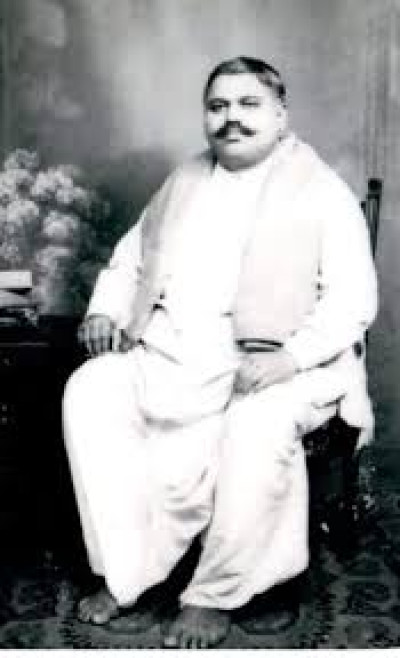
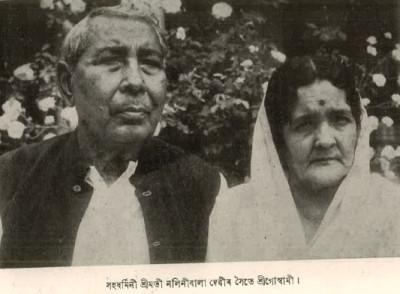
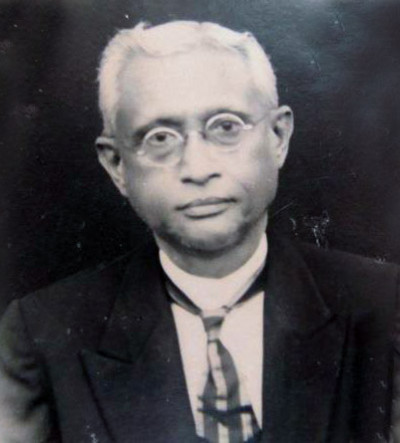
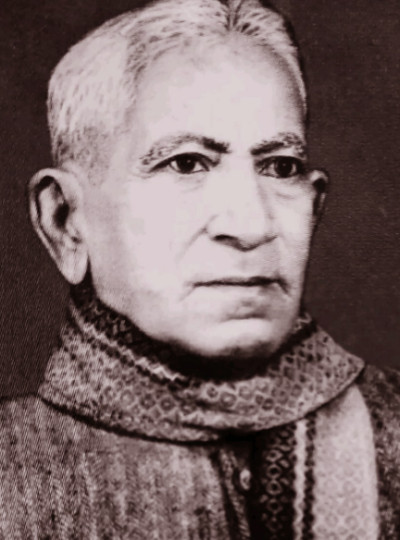
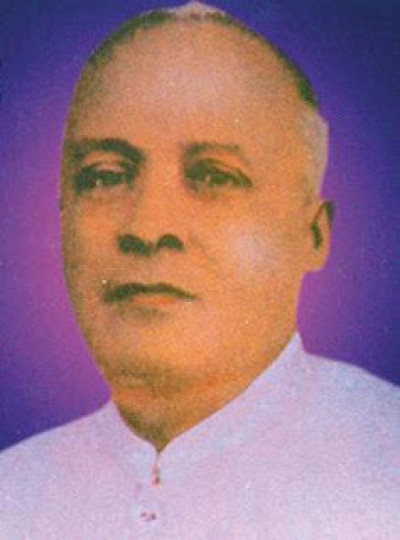
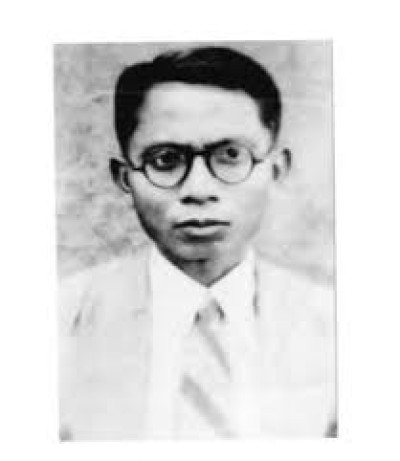
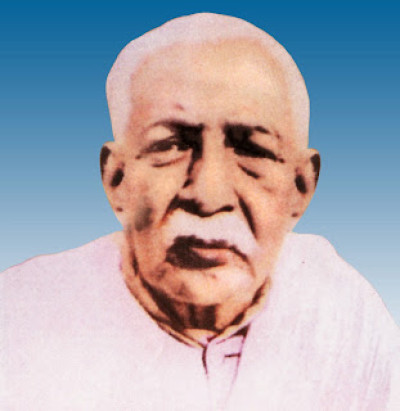
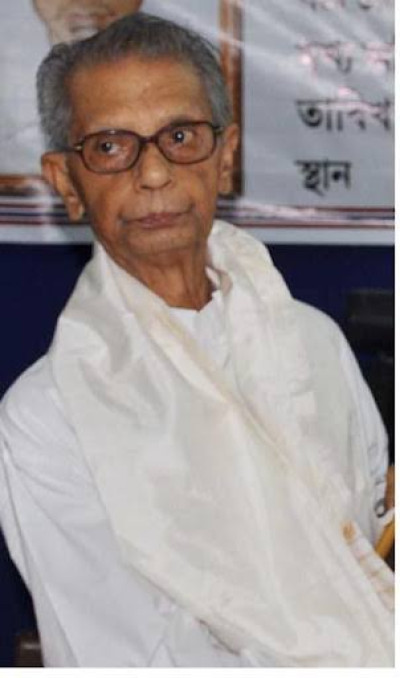
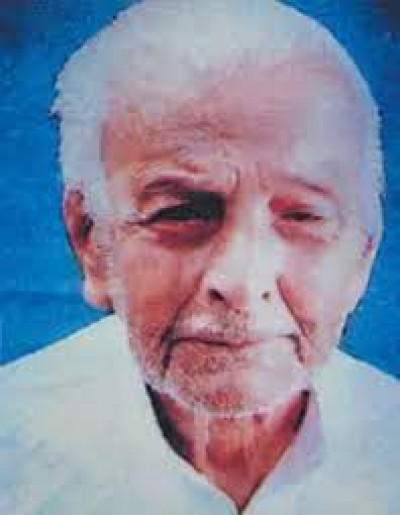
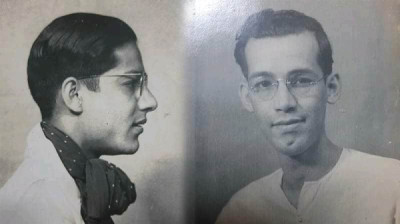
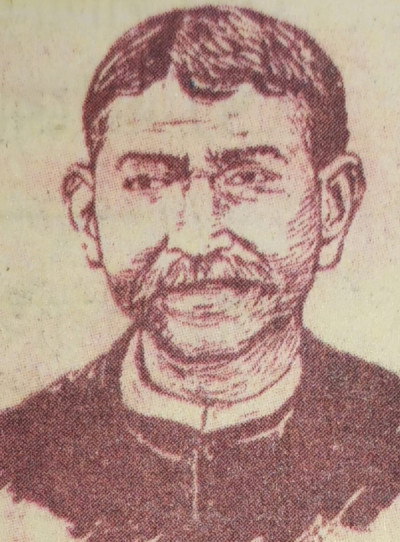
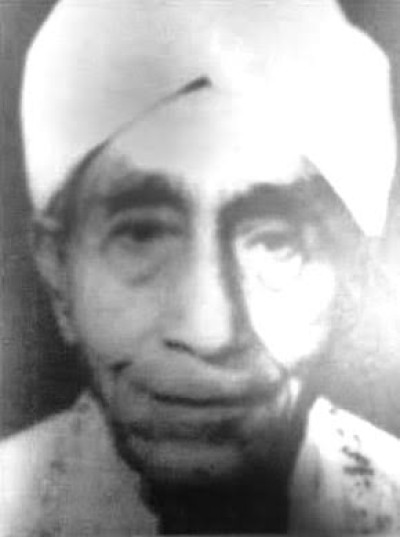
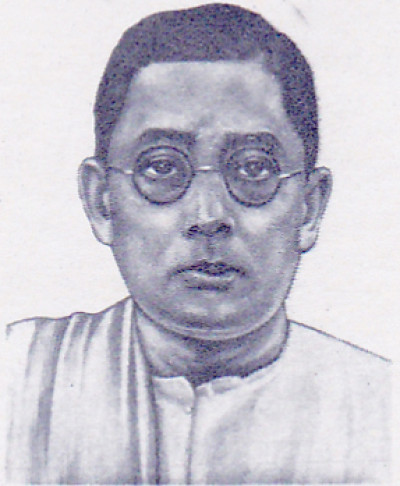
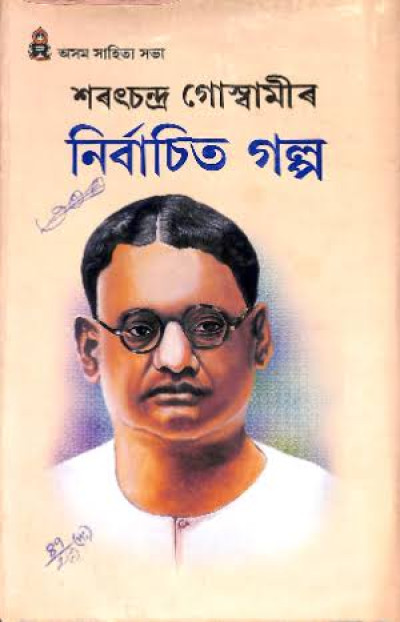
Sarat Chandra Goswami was born on 12 May 1887 at Narayanpur Satra, now known as Nalbari Satra, in present-day Nalbari district of Assam. He belonged to a culturally rich family with deep literary roots. His father, Lalit Chandra Goswami, also known as Lambodar Goswami, was a respected Assamese writer and the author of the famous work Keli-Rahasya. His mother was Mukundapriya Devi, who played an important role in nurturing his early values.
Growing up in the peaceful environment of a Vaishnavite satra, Sarat Chandra Goswami developed a strong interest in Assamese language, literature, history, and culture from an early age. His family background greatly influenced his future literary career.
Education
His primary education began at home under the guidance of Matiram Das. Later, he joined Majalia School before securing admission to Nalbari Minor School, where he excelled academically. In 1900, he topped the scholarship examination and subsequently enrolled at Cotton Collegiate School in Guwahati.
He completed his school education with distinction before joining Cotton College. After successfully passing the First Arts (F.A.) examination, he pursued his Bachelor of Arts degree at Metropolitan College in Calcutta, now known as Vidyasagar College. He later enrolled in the Master of Arts programme in Sanskrit at the University of Calcutta. During his academic career, he ranked among the top Assamese students and received scholarships and academic honours for his outstanding performance.
Career in Education
After completing his higher education, Sarat Chandra Goswami joined the Assam Education Department. He began his career as a Deputy Inspector of Schools and gradually earned promotions through his dedication and administrative excellence.
He served in several important educational positions, including Assistant Inspector of Schools, Superintendent of Jorhat Normal School, Inspector of Schools for the Assam Valley, and Special Officer of Public Education. His leadership contributed significantly to improving teacher training, school administration, and educational standards across Assam.
Throughout more than three decades of public service, he worked tirelessly to strengthen the education system while encouraging the use and development of the Assamese language in educational institutions. He retired from government service in February 1943 after an illustrious career.
Literary Contributions
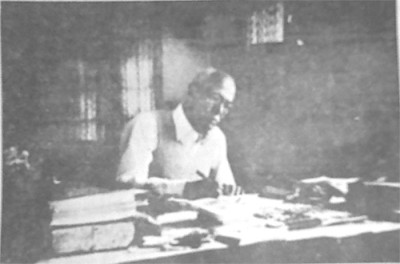
Sarat Chandra Goswami occupies a special place in the history of Assamese literature as one of the pioneers of the modern Assamese short story. His writings focused on ordinary people, rural society, human emotions, social inequality, moral values, and changing traditions. His realistic storytelling, simple language, and memorable characters made his works widely admired by readers.
His literary journey began during his student life when he wrote the short story Jatri. His writings later appeared in several leading Assamese literary journals, including Jonaki, Banhi, Asam Bandhav, Usha, and Alochani. Besides short stories, he wrote novels, plays, poems, children's literature, essays, translations, and collections of Assamese folk tales.
Role in Asam Sahitya Sabha
One of Sarat Chandra Goswami's greatest contributions was his involvement in the formation of the Jorhat Sahitya Sabha, which eventually evolved into the Asam Sahitya Sabha, the premier literary organisation of Assam.
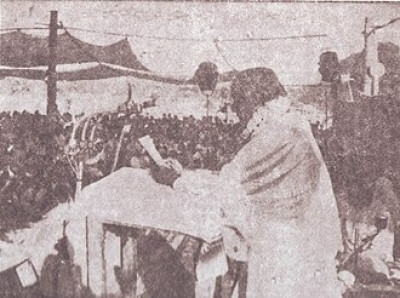
He became one of its founding members and served as the first Secretary of the Asam Sahitya Sabha from 1920 to 1927. During his tenure, he organised literary conferences, encouraged young writers, promoted Assamese publications, and strengthened the foundation of the organisation. His administrative skills and literary vision helped establish the Sabha as the leading institution for preserving and promoting Assamese language and literature.
Major Works
Sarat Chandra Goswami authored several important literary works across different genres. His notable books include:
- Galpanjali (1914)
- Moyna (1920)
- Bajikar (1930)
- Panipat (Novel)
- Assamese Folktales (Oxomiya Sadhukotha)
- Pericles
- Pariksha
- Paridarshan (Posthumous)
- Galpamala (Posthumous)
Apart from these publications, he also wrote numerous short stories, poems, satirical verses, children's literature, essays, and English articles that enriched Assamese literary heritage.
Achievements
- Pioneer of the modern Assamese short story.
- Founder member of the Asam Sahitya Sabha.
- First Secretary of the Asam Sahitya Sabha.
- Distinguished education administrator in Assam.
- Promoted Assamese language and literature through education and literary organisations.
- Preserved Assamese folklore through scholarly publications.
- Inspired generations of Assamese writers and educators.
- Contributed to teacher education and educational reforms in Assam.
Awards and Recognition
Although formal literary awards were uncommon during his lifetime, Sarat Chandra Goswami earned immense respect as one of Assam's leading scholars, educationists, and literary personalities. His contributions continue to be recognised through memorial lectures, literary discussions, academic research, and commemorative programmes organised by educational institutions and the Asam Sahitya Sabha. His books remain valuable resources for students and researchers of Assamese literature.
Death
Sarat Chandra Goswami passed away on 19 December 1944 at the age of 57. His death marked the end of an extraordinary career devoted to education and literature, but his influence continues to inspire Assamese society.
Legacy
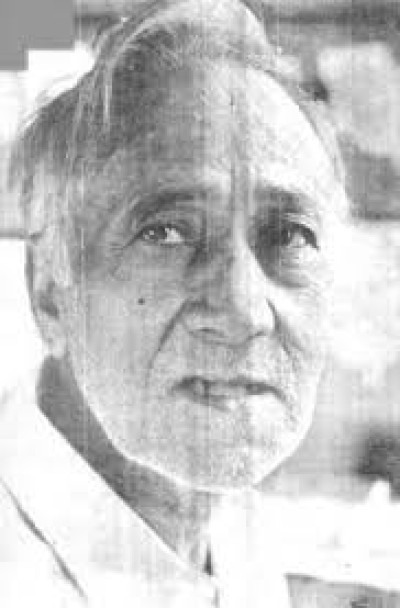
Sarat Chandra Goswami is remembered as one of the architects of modern Assamese literature and a visionary educationist who devoted his life to the advancement of Assamese language, culture, and learning. His literary works continue to be studied for their realistic portrayal of society, while his leadership in the Asam Sahitya Sabha laid a strong foundation for the growth of Assamese literary culture. His dedication to education, literature, and public service has secured him a permanent place among the greatest personalities in Assam's history.
FAQs on Sarat Chandra Goswami
1. Who was Sarat Chandra Goswami?
Sarat Chandra Goswami was a renowned Assamese writer, educationist, researcher, and one of the founding members of the Asam Sahitya Sabha. He made significant contributions to Assamese literature, particularly in the field of short stories.
2. When and where was Sarat Chandra Goswami born?
Sarat Chandra Goswami was born on 12 May 1887 at Narayanpur Satra (present-day Nalbari Satra) in Nalbari district, Assam, India.
3. Why is Sarat Chandra Goswami famous?
He is famous for pioneering modern Assamese short stories, serving as the first Secretary of the Asam Sahitya Sabha, and making lasting contributions to education and Assamese literature.
4. What were the major literary works of Sarat Chandra Goswami?
Some of his notable works include Galpanjali, Moyna, Bajikar, Panipat, Assamese Folktales (Oxomiya Sadhukotha), Pericles, Pariksha, Paridarshan, and Galpamala.
5. What was Sarat Chandra Goswami's role in the Asam Sahitya Sabha?
Sarat Chandra Goswami was one of the founding members and served as the first Secretary of the Asam Sahitya Sabha from 1920 to 1927, helping establish it as Assam's premier literary organisation.
6. What were Sarat Chandra Goswami's contributions to education?
He served in several senior positions in the Assam Education Department, including Deputy Inspector, Superintendent of Jorhat Normal School, Inspector of Schools, and Special Officer of Public Education, contributing greatly to educational development in Assam.
7. Which genres did Sarat Chandra Goswami write in?
He wrote short stories, novels, plays, poems, children's literature, essays, translations, English articles, and collections of Assamese folk tales.
8. When did Sarat Chandra Goswami pass away?
Sarat Chandra Goswami passed away on 19 December 1944, leaving behind a remarkable legacy in Assamese literature and education.
9. What is the legacy of Sarat Chandra Goswami?
His legacy lives on through his literary works, educational reforms, and his foundational role in the Asam Sahitya Sabha. He continues to inspire writers, teachers, researchers, and students across Assam.
10. Why is Sarat Chandra Goswami considered an important literary figure in Assam?
He is regarded as one of the pioneers of modern Assamese literature because of his realistic short stories, promotion of Assamese language, preservation of folklore, and leadership in literary institutions.