Life & Legacy
Shaheed Kanaklata Barua Biography
Kanaklata Barua was born on 22 December 1924 in Barangabari village near Gohpur, in present-day Biswanath district of Assam, which was then part of the undivided Darrang district. She was born to Krishna Kanta Barua and Karneshwari Barua in a respected Assamese family. Her ancestors belonged to the historic Dolakharia Barua lineage of the Ahom Kingdom. From an early age, Kanaklata experienced great personal hardships. She lost her mother when she was only five years old and her father when she was about thirteen. These tragic events forced her to leave school after studying up to Class III so that she could care for her younger brothers and sisters. Despite these responsibilities, she developed remarkable strength, maturity and compassion that later defined her role in the freedom movement.
Growing up during the struggle for India's independence, Kanaklata was deeply influenced by the ideas of Mahatma Gandhi and the growing nationalist movement in Assam. Public meetings, patriotic speeches and the sacrifices of local freedom fighters awakened in her a strong desire to contribute to the nation's liberation. Although she had little formal education, she possessed immense courage, determination and a strong sense of justice. She believed that every Indian, regardless of age or gender, had a duty to fight against foreign rule.
The year 1942 marked a decisive phase in India's struggle for independence. On 8 August 1942, Mahatma Gandhi launched the Quit India Movement with the powerful call of "Do or Die." The movement spread rapidly across the country, including Assam, where thousands of students, farmers, workers and women joined peaceful protests demanding an end to British rule. Inspired by this nationwide movement, Kanaklata Barua actively participated in the freedom struggle and joined the revolutionary volunteer organisation known as the Mrityu Bahini. This volunteer force consisted of fearless young men and women who pledged to sacrifice their lives for the freedom of the nation if necessary.
Among the volunteers, Kanaklata quickly earned the respect of her fellow activists because of her courage and unwavering commitment. Although she was one of the youngest members, she was selected to lead a procession that aimed to hoist the Indian National Flag at the Gohpur Police Station on 20 September 1942. The objective of the march was not violence but to demonstrate India's determination to achieve independence through peaceful resistance.
On the morning of 20 September 1942, Kanaklata completed her household duties before leaving home. According to local accounts, she bid farewell to her younger siblings, aware that she might never return. Carrying the Tricolour proudly in her hands, she joined hundreds of volunteers who gathered at Barangabari before marching towards Gohpur. Throughout the procession, patriotic slogans echoed across the villages as people expressed their desire for freedom from British rule.
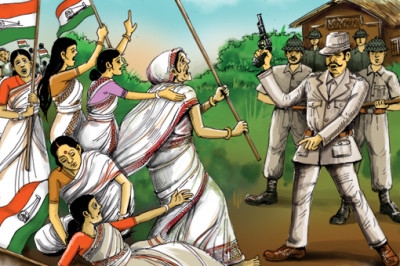
When the procession reached the entrance of the Gohpur Police Station, British police officers ordered the demonstrators to stop. Kanaklata fearlessly continued moving forward with the National Flag held high. She reportedly declared that the procession had come peacefully only to hoist the Indian flag and had no intention of harming anyone. Despite repeated warnings, the unarmed volunteers refused to retreat because they believed that the flag represented the dignity and freedom of the nation.
Without allowing the peaceful procession to continue, the police opened fire on the unarmed protesters. Kanaklata Barua was struck by bullets while still holding the Tricolour firmly in her hands. She fell to the ground but never allowed the flag to be dishonoured. Moments later, another brave freedom fighter, Mukunda Kakoty, rushed forward to take the flag and continue the mission. He too was shot and later succumbed to his injuries. Their sacrifices became one of the most inspiring episodes of Assam's participation in the Indian freedom movement.
Although the British police attempted to suppress the protest through violence, the mission ultimately succeeded. Other volunteers courageously continued the procession, and the Indian National Flag was eventually hoisted at the Gohpur Police Station. The determination shown by Kanaklata and her fellow freedom fighters demonstrated that the spirit of independence could never be defeated by force.
Kanaklata Barua soon became known throughout Assam as Shaheed Kanaklata Barua and Birbala, titles reflecting her extraordinary bravery and supreme sacrifice. She is also remembered as one of the youngest women martyrs of India's independence movement. Her courage has often been compared with that of legendary women freedom fighters because she displayed exceptional leadership at an age when most young people were still pursuing their education.
Her sacrifice inspired countless young men and women across Assam to participate more actively in the national movement. She became a symbol of patriotism, women's empowerment and youthful courage, proving that true leadership depends not on age but on conviction and determination.
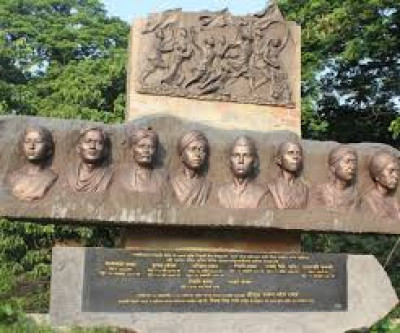
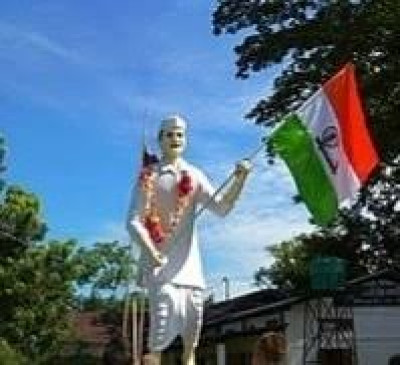
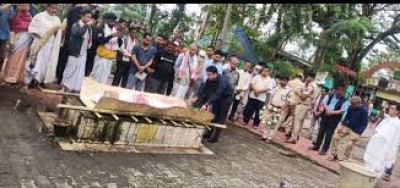
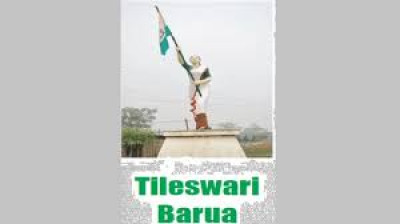
Independent India has honoured her memory in several meaningful ways. Educational institutions, roads and public places have been named after her. The Indian Coast Guard commissioned ICGS Kanaklata Barua in recognition of her courage and contribution to the nation. Memorials and statues across Assam remind visitors of her selfless sacrifice, while her life is taught in schools and universities as an inspiring chapter of India's freedom struggle. Every year, particularly on 20 September, people across Assam pay tribute to Shaheed Kanaklata Barua through commemorative programmes, patriotic events and educational activities that celebrate her unwavering devotion to the nation.
More than eight decades after her martyrdom, Kanaklata Barua continues to inspire millions of Indians. Her story teaches that courage, patriotism and selfless service can overcome even the greatest challenges. She demonstrated that a young village girl with determination and love for her country could create history through sacrifice and leadership. Today, Shaheed Kanaklata Barua remains an enduring symbol of Assam's contribution to India's independence movement and a timeless inspiration for future generations to uphold the values of courage, unity and national pride.
FAQs on Shaheed Kanaklata Barua
1. Who was Shaheed Kanaklata Barua?
Shaheed Kanaklata Barua was a young freedom fighter from Assam who sacrificed her life during the Quit India Movement while attempting to hoist the Indian National Flag at Gohpur Police Station on 20 September 1942.
2. When and where was Kanaklata Barua born?
Kanaklata Barua was born on 22 December 1924 in Barangabari village near Gohpur, in present-day Biswanath district of Assam, which was then part of the undivided Darrang district.
3. Why is Kanaklata Barua famous?
She is famous for her fearless role in the Quit India Movement and for becoming one of the youngest martyrs of India's freedom struggle after being shot while carrying the National Flag.
4. What was Kanaklata Barua's role in the Quit India Movement?
She joined the Mrityu Bahini volunteer force and led a peaceful procession to hoist the Indian National Flag at Gohpur Police Station on 20 September 1942.
5. What was the Mrityu Bahini?
Mrityu Bahini was a volunteer group of brave young freedom fighters in Assam who pledged to sacrifice their lives for India's independence during the Quit India Movement.
6. How did Shaheed Kanaklata Barua die?
She was shot by British police while leading an unarmed procession and carrying the Indian National Flag towards Gohpur Police Station on 20 September 1942.
7. Who was Mukunda Kakoty?
Mukunda Kakoty was another courageous freedom fighter who took the National Flag after Kanaklata Barua was shot. He was also fatally wounded during the police firing and later became a martyr.
8. How is Kanaklata Barua remembered today?
She is remembered through memorials, statues, educational institutions, cultural programmes, and the Indian Coast Guard ship ICGS Kanaklata Barua, which was named in her honour.
9. Why is Kanaklata Barua called Birbala?
She is called Birbala because of her extraordinary bravery, fearless leadership and supreme sacrifice for India's freedom at the young age of seventeen.
10. What is the legacy of Shaheed Kanaklata Barua?
Her legacy lives on as a symbol of patriotism, courage, women's empowerment and youthful leadership. She continues to inspire generations to serve the nation with dedication and selfless courage.