Life & Legacy
Early Life
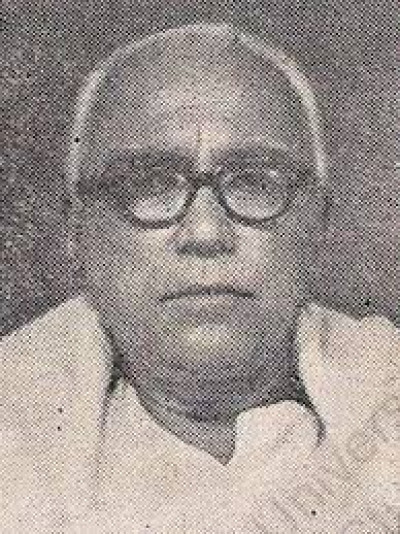
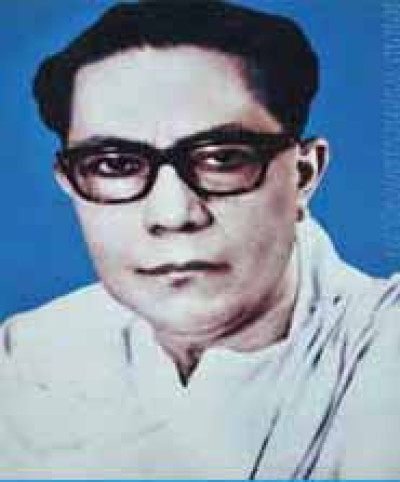
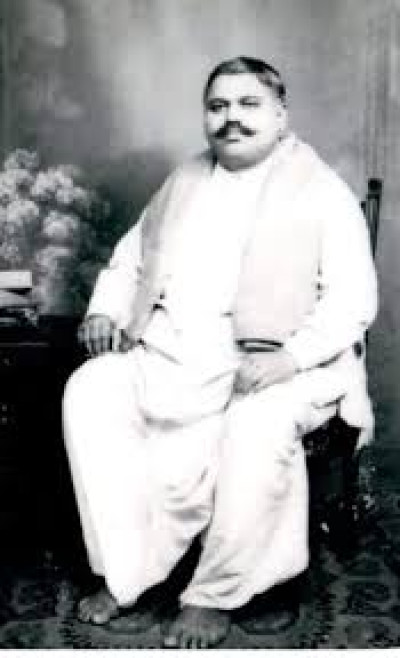
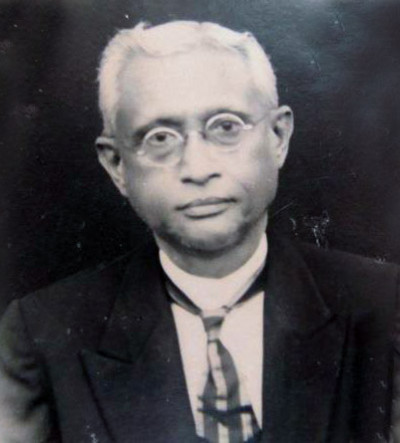
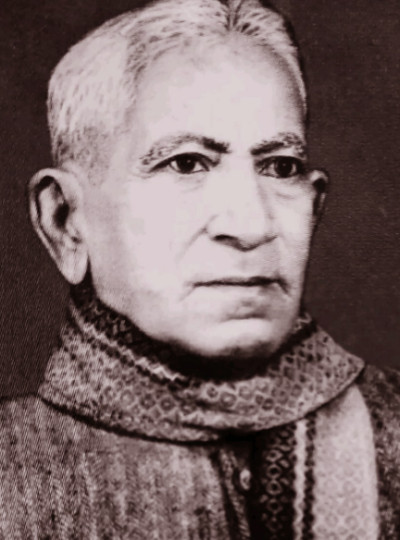
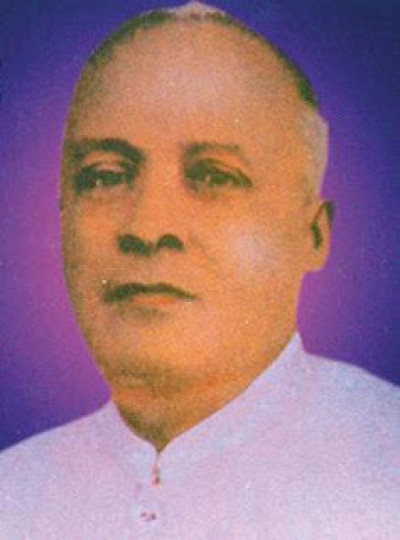
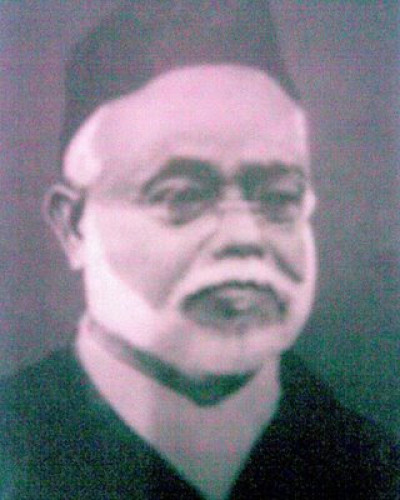
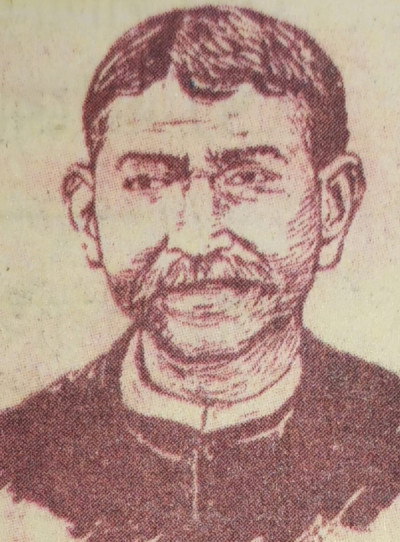
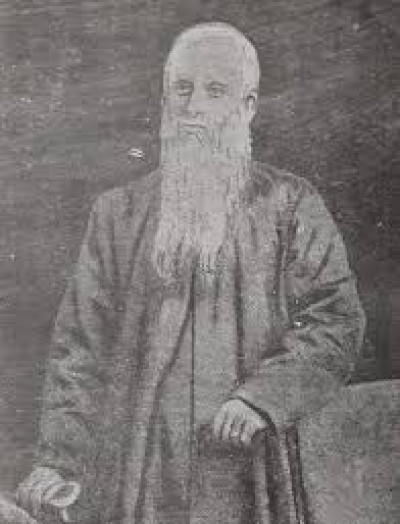
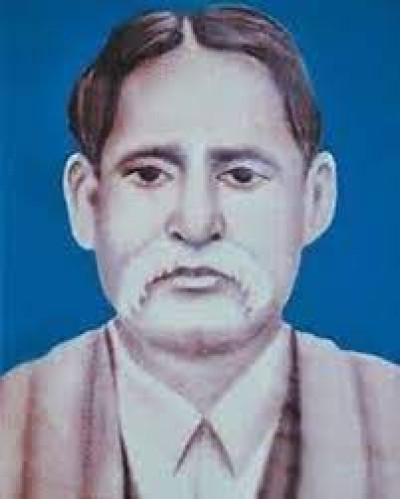
Rajanikanta Bordoloi was born on 24 November 1867 in Guwahati, Assam, into a respected Assamese family. He spent his childhood in an environment that encouraged learning and cultural values. From an early age, he showed a keen interest in literature, history, and the Assamese language. His curiosity about the rich heritage of Assam later became the foundation of his literary career.
Education
Rajanikanta Bordoloi completed his early education in Guwahati before moving to Calcutta (now Kolkata) for higher studies. He passed the Entrance Examination with distinction and later completed his F.A. and B.A. from Metropolitan College under Calcutta University. During his student life, he became actively associated with the Asamiya Bhasha Unnati Sadhini Sabha, an organization dedicated to the development and promotion of the Assamese language and literature. His exposure to both Indian and Western literature helped shape his distinctive writing style.
Career
After completing his education, Rajanikanta Bordoloi joined government service under the British administration. He worked as a clerk before being promoted to Sub-Deputy Collector and later served in several administrative positions across Assam. His work brought him closer to different communities, customs, and historical places, providing valuable inspiration for his novels.
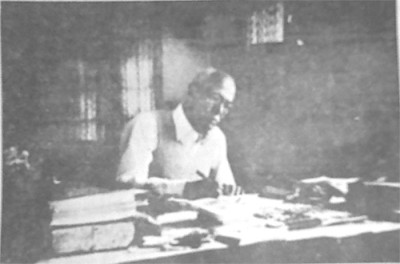
Alongside his administrative career, he remained deeply committed to literature. He regularly contributed articles, essays, and stories to leading Assamese journals and magazines. He also served as the editor of the monthly magazine Pradipika, through which he encouraged literary discussions and promoted Assamese culture.
Contribution to Assamese Literature
Rajanikanta Bordoloi occupies a unique place in Assamese literature because he transformed the Assamese novel into a respected literary form. His stories were not merely fictional narratives but powerful reflections of Assam's history, society, traditions, and human emotions.
He successfully blended romance with historical events and portrayed the customs of various indigenous communities. His novels helped readers understand the rich cultural diversity of Assam while encouraging pride in the state's glorious past. His engaging storytelling, realistic characters, and simple yet elegant language made his works popular among readers of all ages.
Because of his remarkable contribution, literary critics affectionately honored him with titles such as "Upanyash Samrat," "Father of the Assamese Novel," and "Walter Scott of Assam."
Major Literary Works
Rajanikanta Bordoloi wrote several important novels and literary works that remain classics in Assamese literature.
His notable novels include:
- Miri Jiyori (1894)
- Manomati (1900)
- Donduwa Droh (1909)
- Rangilee (1925)
- Radha Rukminir Ron (1925)
- Tamreswar Mandir (1926)
- Nirmal Bhakat (1927)
- Rahdoi Ligiri (1930)
- Khamba Thoibir Sadhukatha (1932)
Other important literary works include:
- Gyan Sopan
- Manobigyan
Short Story Collections:
- Ga Dhan
- Premor Upasak
- Soundaryor Upasak
Humorous Writings:
- Nagar Sankirtan
- Moi Swadhin Ne?
- Atma Binodon Natyalaya
Important Essays:
- Srimanta Sankardeva
- Assam Chutia Sammilan
- Ancient Traditions of Sadiya Kingdom
- Manipuri Nation
- The Craft of Assamese Novel
- My Literary Life
- Autobiographical writings
Journalism and Social Contributions
Rajanikanta Bordoloi was also a distinguished journalist and editor. He contributed regularly to renowned Assamese magazines including Jonaki, Banhi, Usha, Awahan, and Asam Hitaishi. Through journalism, he promoted education, social awareness, Assamese identity, and cultural preservation.
He believed that literature should educate society while preserving its history and traditions. His writings encouraged readers to appreciate Assam's heritage and inspired young writers to contribute to Assamese literature.
Leadership
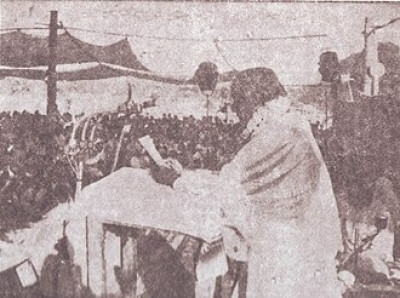
Rajanikanta Bordoloi served as the President of the Asam Sahitya Sabha during its Nagaon session in 1925. His leadership strengthened the movement for the promotion of Assamese language and literature and inspired many upcoming writers and scholars.
Achievements
- Pioneer of the modern Assamese novel.
- Introduced historical fiction to Assamese literature.
- Popularized romantic storytelling in Assamese novels.
- Preserved Assamese history and indigenous culture through literature.
- Promoted the Assamese language through journalism and editorial work.
- Inspired future generations of Assamese writers.
- Led the Asam Sahitya Sabha as its President in 1925.
- Helped establish Assamese prose as an important literary tradition.
Awards and Recognition
Although many of today's literary awards did not exist during his lifetime, Rajanikanta Bordoloi received immense recognition from scholars and readers.
His major honors include:
- Upanyash Samrat (King of Novels)
- Father of the Assamese Novel
- Walter Scott of Assam
- One of the foremost pioneers of modern Assamese literature
- President of the Asam Sahitya Sabha (1925)
Today, his legacy is honored through literary awards, educational institutions, academic research, and commemorative events across Assam.
Death
Rajanikanta Bordoloi passed away on 25 March 1940 in Guwahati, Assam. Although he is no longer with us, his literary works continue to educate, inspire, and enrich Assamese readers. His novels remain an integral part of Assamese literature and are studied in schools, colleges, and universities.
Legacy
Rajanikanta Bordoloi occupies a permanent place in the cultural history of Assam. His novels preserved the state's historical heritage, celebrated its diverse communities, and promoted the Assamese language during a crucial period of literary development. His ability to combine historical accuracy with compelling storytelling earned him lasting respect among literary scholars. Even today, his books continue to inspire readers, researchers, and aspiring writers, ensuring that his contribution to Assamese literature remains timeless.
FAQs Rajanikanta Bordoloi
1. Who was Rajanikanta Bordoloi?
Rajanikanta Bordoloi was a renowned Assamese novelist, journalist, and civil servant who is regarded as the Father of the Assamese Novel and popularly known as the Upanyash Samrat.
2. Why is Rajanikanta Bordoloi called the Upanyash Samrat?
He earned the title Upanyash Samrat because of his pioneering contribution to Assamese novels and his lasting influence on Assamese literature.
3. Why is Rajanikanta Bordoloi known as the Walter Scott of Assam?
He is compared to Sir Walter Scott for introducing historical fiction and creating novels based on Assam's history, culture, and heritage.
4. When and where was Rajanikanta Bordoloi born?
Rajanikanta Bordoloi was born on 24 November 1867 in Guwahati, Assam.
5. Which is the first famous novel written by Rajanikanta Bordoloi?
Miri Jiyori, published in 1894, is considered one of his earliest and most famous novels.
6. What are the most popular books written by Rajanikanta Bordoloi?
His best-known books include Miri Jiyori, Manomati, Donduwa Droh, Rangilee, Tamreswar Mandir, Nirmal Bhakat, Rahdoi Ligiri, and Khamba Thoibir Sadhukatha.
7. What was Rajanikanta Bordoloi's contribution to Assamese literature?
He established the Assamese novel as a respected literary form, introduced historical fiction, promoted Assamese culture, and inspired generations of writers.
8. Was Rajanikanta Bordoloi associated with Asam Sahitya Sabha?
Yes. He served as the President of the Asam Sahitya Sabha during its Nagaon session in 1925.
9. When did Rajanikanta Bordoloi die?
Rajanikanta Bordoloi passed away on 25 March 1940 in Guwahati, Assam.
10. Why is Rajanikanta Bordoloi still remembered today?
He is remembered for preserving Assam's history, promoting Assamese literature, pioneering historical novels, and leaving behind a timeless literary legacy.