In Depth
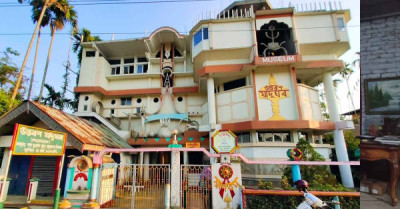
Situated close to the iconic Talatal Ghar, the museum forms an essential part of the historical landscape of Sivasagar, the former capital of the Ahom Kingdom. The name Uttaran symbolizes continuity and preservation of objects that have shaped everyday life in Assam across centuries.
Historical Significance and Vision
Uttaran Museum was conceptualized as a microcosm of Assamese civilization. The founder envisioned a space where vanishing objects, traditions, and ecological elements could be preserved before modernization erased them completely. Rapid urban development and changing lifestyles have caused many traditional household items, tools, and natural elements to disappear. This museum acts as a safeguard for such invaluable heritage.
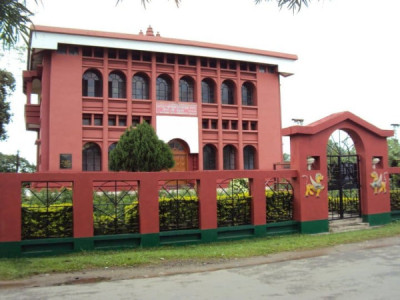
The structure itself is impressive. The multi-storey building, constructed with personal effort and family support, houses more than 5,000 artifacts. Every corner of the museum narrates a story of Assam social life, agriculture, warfare, craftsmanship, and environmental history.
Unique Collections Inside Uttaran Museum
The museum is widely known for its diverse and unusual collection. Visitors can explore:
-
Ancient coins from different historical periods.
-
Weapons and war equipment from the Ahom era.
-
Traditional Assamese household items that are no longer commonly used.
-
Agricultural tools representing rural livelihoods.
-
Indigenous musical instruments from various communities of Assam.
-
Replicas of extinct or rare objects recreated with bamboo and cane.
-
Preserved insects, snakes, and ecological specimens.
-
Samples of soil from different regions.
-
126 varieties of rice, reflecting Assam agricultural diversity.
-
Water preserved in bottles collected from 337 historic tanks built during the Ahom rule.
One of the most fascinating exhibits is the preserved water samples from ancient ponds and lakes constructed during the 600-year Ahom reign. These water samples serve as ecological and historical documentation, especially as many traditional water bodies are now polluted or filled up.
Cultural and Educational Importance
Uttaran Museum is more than a tourist attraction. It is an educational hub for students, scholars, and researchers. School groups frequently visit to understand the evolution of Assamese society. Many artifacts displayed here are unfamiliar to the younger generation, who have grown up in the digital age.
Objects like gramophones, traditional farming tools, handmade utensils, and indigenous craft items help visitors visualize the everyday life of earlier generations. The museum bridges the gap between past and present.
Why Uttaran Museum is a Must Visit in Sivasagar
When travelers visit Sivasagar, they often explore famous Ahom monuments such as Rang Ghar, Kareng Ghar, and Talatal Ghar. However, Uttaran Museum offers something different. It presents not only royal history but also common people daily life.
The museum reflects the social, ecological, and cultural heritage of Assam. Visitors often describe the experience as immersive and enlightening. Although photography inside may be restricted, the atmosphere encourages deep appreciation of the displayed artifacts.
Tourists from more than 50 countries including the United States, Canada, France, Germany, Italy, Australia, and Japan have visited Uttaran Museum. It has earned international recognition as a privately established museum created through personal dedication.
How to Reach Uttaran Museum, Sivasagar
Reaching Uttaran Museum is convenient as Sivasagar is well connected by air, rail, and road.
By Air
-
Nearest Airport: Jorhat Airport (approx. 55 km).
-
Alternative Airport: Dibrugarh Airport (approx. 90 km).
From the airport, taxis and private cabs are available to reach Sivasagar.
By Train
-
Nearest Railway Station: Sivasagar Town Railway Station
-
Alternative Station: Sibsagar Railway Station (SRTN)
Auto-rickshaws and taxis are easily available from the station.
By Road
Sivasagar is well connected via National Highway 37. Regular buses operate from Guwahati, Jorhat, and Dibrugarh. Local transport such as auto-rickshaws and taxis can take visitors directly to Joysagar near Talatal Ghar.
Where to Stay Near Uttaran Museum
Visitors can find accommodation options in Sivasagar town and nearby cities.
Hotels in Sivasagar
Several budget and mid-range hotels are available within the town, offering easy access to Uttaran Museum and other monuments.
Guest Houses Near Joysagar
Small guest houses and homestays near the museum provide comfortable and affordable stays.
Heritage Stays in Jorhat
For those seeking luxury or heritage experiences, properties such as Thengal Manor and Banyan Grove are excellent choices, located around 1.5 to 2 hours away.
Best Time to Visit Uttaran Museum
The best time to visit Uttaran Museum is between October and March when the weather in Assam is pleasant. Summers can be humid, while monsoons bring heavy rainfall.
Quick Info Table on Uttaran Museum
| Information | Details |
|---|---|
| Name | Uttaran Museum |
| Location | Joysagar, Sivasagar, Assam |
| Type | Private Heritage Museum |
| Established | 2008 (opened to public) |
| Founder | Durlav Bora |
| Nearby Landmark | Taltal Ghar, Joysagar tank |
| Artifacts | 5,000+ items |
| Famous For | Ahom era collections and ecological samples |
| Best Time to Visit | October to March |
| Ideal For | Students, researchers, tourists, history lovers |
FAQs on Uttaran Museum