In Depth
Historical Importance
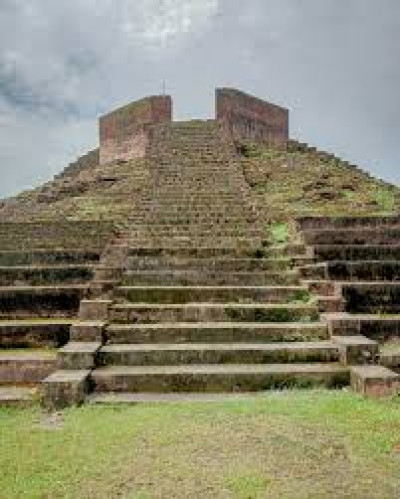
Rudra Singha, one of the most visionary kings of the Ahom dynasty, aimed to create a natural retreat where wild animals could roam in an environment similar to their native ecosystems. Unlike caged enclosures of that era, Pohugarh showcased a unique wildlife-friendly concept where animals such as rhinoceroses, deer, elephants, and tigers lived within natural landscapes. The king’s emphasis on open habitats, water bodies, and protective embankments made Pohugarh centuries ahead of its time.
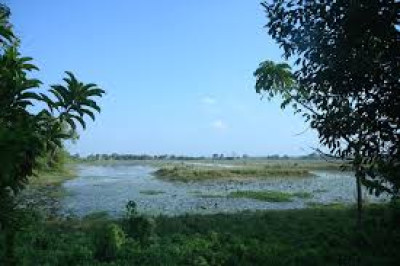
Though the original animals no longer exist here, the site has transformed into a thriving ecological hotspot. Its wetlands and surrounding greenery slowly evolved into a perfect sanctuary for birds, turning it into an unintentional but spectacular conservation success story.
A Haven for Migratory Birds
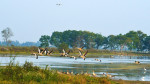
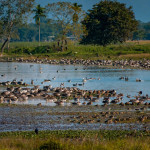
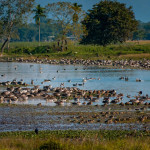
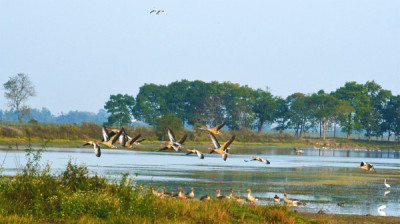
Today, Pohugarh is one of Assam’s most loved destinations for birdwatchers, especially during winter. Thousands of migratory birds from Central Asia, Siberia, and the Tibetan Plateau arrive here every year between November and February. Visitors can spot rare and fascinating species such as:
-
Siberian Pelican
-
Glossy Ibis
-
Bar-headed Goose
-
Greylag Goose
-
White Wagtail & Yellow Wagtail
-
Siberian Stonechat
-
Northern Pintail & Gadwall
-
Ferruginous Duck
-
Baer’s Pochard (rare species)
The serene water bodies surrounding Pohugarh are ideal resting and breeding grounds for these winged guests, drawing nature enthusiasts, photographers, and researchers each year.
What Makes Pohugarh Special?
-
It is one of the earliest examples of a natural, open-habitat zoo in Asia.
-
The design reflects advanced ecological awareness by the Ahom rulers.
-
The site’s transformation into a bird sanctuary makes it culturally and ecologically relevant even today.
-
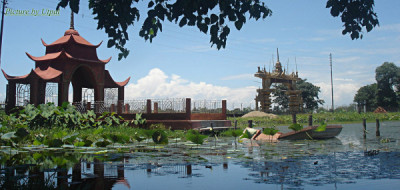
Its location near historical tanks and monuments enriches the travel experience.
Best Time to Visit
The ideal time to visit Pohugarh is during the winter months (November–February) when migratory birds arrive in large flocks. Early mornings and late afternoons offer the best lighting conditions and increased bird activity. Summers are relatively quiet, but the natural serenity and surrounding historical sites still offer a peaceful retreat.
How to Reach Pohugarh
Where to Stay
Visitors can choose from various accommodations in and around Sivasagar such as:
-
Mid-range hotels near Sivasagar town
-
Budget lodges close to Joysagar Tank
-
Comfortable homestays offering traditional Assamese hospitality
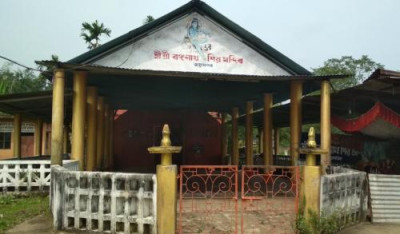
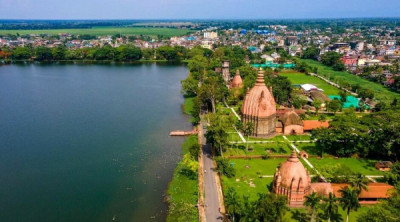
Staying near town allows visitors to explore other nearby attractions like Talatal Ghar, Rang Ghar, Kareng Ghar, Joysagar Tank, and the Shivadol complex.
Why You Should Visit
Whether you are a history lover, nature photographer, birdwatcher, or someone seeking a quiet escape, Pohugarh offers a unique blend of heritage + biodiversity. The site embodies Assam’s rich Ahom legacy while continuing to serve as a crucial ecosystem for migratory birds. Its story—from a royal animal enclosure to a vibrant natural sanctuary—makes it one of the most fascinating places to visit in Upper Assam.
| Quick Info – Pohugarh | Details |
|---|---|
| Location | Near Joysagar & Rudrasagar Tanks, Sivasagar, Assam |
| Built By | Ahom Swargadeo Rudra Singha |
| Established | 1696–1714 |
| Known For | Asia’s first natural zoo |
| Current Status | Migratory bird sanctuary |
| Best Time to Visit | November to February |
| Distance from Sivasagar Town | Approx. 5 km |
| Major Birds Seen | Pelicans, Ibises, Bar-headed & Greylag Geese |
| Ideal For | Birdwatching, Photography, Heritage Tourism |
| Nearest Airport | Jorhat Airport (65 km) |
FAQs on Pohugarh