In Depth
The protected area has a long conservation history. It was first established as a game reserve in 1915, later became a wildlife sanctuary in 1985 and was officially declared a national park on 13 April 1999. In 2016, it was also recognized as India's 49th tiger reserve. The core national park covers approximately 78.81 square kilometres, while the wider tiger reserve and protected landscape covers a considerably larger area.
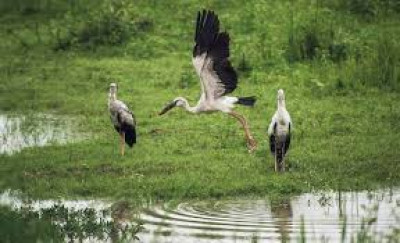
The Great Indian One-Horned Rhinoceros is one of the main attractions of Orang National Park. The park also provides habitat for Royal Bengal Tigers, Asiatic elephants, wild water buffaloes, hog deer, wild boar and the rare pygmy hog. Its wetlands and grasslands support a rich variety of birds, including the endangered Bengal Florican, along with storks, pelicans, ducks, kingfishers and other resident and migratory species. The surrounding riverine environment also supports aquatic wildlife, including Gangetic dolphins in suitable river channels.
A wildlife safari is the best way to explore Orang National Park. Jeep safaris allow visitors to travel through grasslands, forest areas and wetlands while looking for rhinoceros, deer, elephants, birds and, with luck, larger predators. River-based experiences may also be available subject to the prevailing regulations and seasonal conditions.
The ideal season to visit Orang National Park is generally from November to April. During these months, the weather is more comfortable and wildlife viewing is usually better. The park experiences significant rainfall and flooding during the monsoon, so visitors should check the current park opening status and safari availability before planning their trip.
How to Reach Orang National Park from Guwahati?
Orang National Park can be reached conveniently from Guwahati by road. Guwahati is the major gateway for visitors travelling to Assam from other parts of India.
By Air: Lokpriya Gopinath Bordoloi International Airport in Guwahati is the most convenient major airport for travellers arriving by air. From the airport, visitors can hire a private taxi or arrange a vehicle to reach Orang National Park.
By Road: The park can be approached from Guwahati through the Assam road network, with the journey taking several hours depending on the selected route, traffic and destination gate. Private taxis are a convenient option for families and groups.
By Train: Travellers can use railway stations around Guwahati, Mangaldai, Rowta or other nearby railheads depending on their route, and continue by road to the park.
Visitors should confirm the exact safari gate and current road conditions before travelling because access routes can vary according to park management and seasonal conditions.
Safari at Orang National Park:
The main wildlife experience at Orang National Park is the jeep or gypsy safari. Safari routes pass through grasslands, wetlands and forested areas where visitors may encounter rhinoceros, deer, wild buffalo, elephants and numerous birds. Tiger sightings are possible but cannot be guaranteed because wildlife moves freely through the protected habitat.
The following safari and visitor charges are based on the fee details provided in the reference information:
| Service / Fee | Indian Citizen | Foreign Tourist |
|---|---|---|
| Park Entry / View Fee per Person | ₹50 | ₹500 |
| Road Toll per Trip / Day | ₹300 | ₹300 |
| Security Guard Fee per Vehicle / Trip | ₹100 | ₹100 |
| Elephant Seat Fee per Adult / Trip | ₹450 | ₹1,000 |
| Security Guard Fee for Elephant Ride / Seat | ₹50 | ₹50 |
| River Cruise per Trip | ₹1,000 | ₹1,000 |
| River Cruise Fee per Person | ₹100 | ₹500 |
| Security Guard Fee for River Cruise | ₹100 | ₹100 |
| Non-Professional Still Camera | ₹50 | ₹50 |
| Non-Professional Movie Camera | ₹500 | ₹1,000 |
| Non-Professional Video Camera | ₹500 | ₹1,000 |
| Professional Still Camera | ₹500 | ₹2,000 |
| Professional Movie Camera | ₹5,000 | ₹20,000 |
| Professional Video Camera | ₹5,000 | ₹20,000 |
| Feature Film Shooting per Day | ₹5,000 | ₹25,000 |
| Security Money for Feature Film | ₹5,000 | ₹25,000 |
| Documentary Shooting per Day | ₹5,000 | ₹25,000 |
Jeep Safari Cost at Book Orang National Park :
The reference information indicates that a jeep/gypsy safari may generally cost around ₹1,500 to ₹3,000 per vehicle, depending on the vehicle, operator and applicable charges. The final amount can vary, so visitors should confirm the current rate while booking.
How to Book Orang National Park Safari?
Visitors can use the Orang National Park and Tiger Reserve's online booking system to check available safari dates and time slots. Separate bookings may be required for different safari activities. Advance booking is recommended during weekends, holidays and the peak wildlife season.
For the latest availability, charges and booking rules, visitors should check the official Orang National Park and Tiger Reserve portal before making their journey.
Important Note:
Safari fees, contact numbers, booking procedures, permitted activities and park timings may be revised by the forest department. Therefore, the above information should be treated as the details provided in the current reference material, and visitors should confirm the latest information directly with the Orang National Park and Tiger Reserve authorities before travelling.
Best Time to Visit Orang National Park:
November to April is generally considered the best period to visit Orang National Park. The weather is comparatively pleasant and the dry season makes many wildlife-viewing areas more accessible. Winter is particularly attractive for birdwatchers because resident and migratory birds can be seen around wetlands and grasslands.
The monsoon months can bring heavy rain and flooding, so visitors should verify whether the park and individual safari routes are open before travelling.
What to See at Orang National Park?
The Great Indian One-Horned Rhinoceros is the signature wildlife attraction of Orang National Park. Visitors can also look for Royal Bengal Tigers, wild water buffaloes, Asiatic elephants, hog deer, wild boar and the rare pygmy hog.
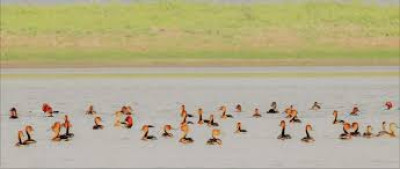
Birdwatching is another major attraction. The park's wetlands and grasslands provide habitat for numerous species, including Bengal Florican, storks, pelicans, ducks, kingfishers and other water and forest birds.
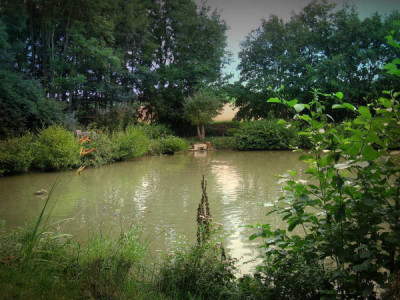
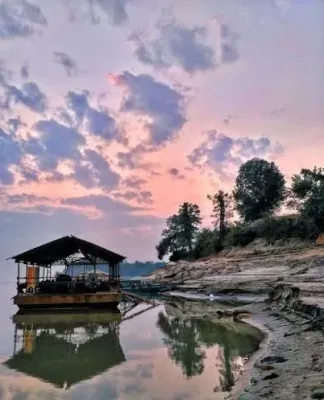
The natural landscape itself is an important part of the experience. Tall alluvial grasslands, wetlands, streams, forest patches and the surrounding Brahmaputra floodplain create a distinctive ecosystem that supports a wide range of wildlife.
Where to Stay at Orang National Park?
Accommodation options can be found around the park and in nearby towns. Forest department accommodation, tourist facilities and dormitory-style options may be available subject to booking and current availability. Visitors should confirm accommodation directly with the relevant forest authorities before travelling.
For travellers looking for more private accommodation, Tezpur, Mangaldai and other nearby towns provide hotels and guesthouses with different levels of facilities. Staying in a nearby town can be useful for visitors combining Orang National Park with other attractions in Assam.
Whom to Contact for a Visit to Orang National Park?
For safari booking, entry permits, accommodation, park timings and other visitor-related information, travellers can contact the Orang National Park and Tiger Reserve authorities or the Mangaldai Wildlife Division.
Visitors should contact the concerned authority before travelling to confirm safari availability, entry rules, accommodation, current fees and seasonal restrictions. Because telephone numbers, email addresses, safari charges and booking procedures can change, it is best to verify the latest contact details through the official Orang National Park and Tiger Reserve website before visiting.
Quick Info about Orang National Park
| Information | Details |
|---|---|
| Name | Orang National Park |
| State | Assam |
| Location | Northern bank of the Brahmaputra River |
| Districts | Darrang and Sonitpur |
| Protected Area | Approximately 78.81 sq km for the national park core |
| Popular Name | Mini Kaziranga |
| Main Attraction | Great Indian One-Horned Rhinoceros |
| Other Wildlife | Tiger, elephant, wild water buffalo, hog deer, pygmy hog |
| Birdlife | Bengal Florican and many resident and migratory birds |
| National Park Status | 13 April 1999 |
| Tiger Reserve Status | 2016 |
| Best Time | November to April |
| Main Activity | Wildlife safari and birdwatching |
| Nearest Major City/Gateway | Guwahati |
| Suitable For | Wildlife lovers, photographers, birdwatchers and nature enthusiasts |
FAQs about Orang National Park
- What is Orang National Park famous for?
Orang National Park is famous for its Great Indian One-Horned Rhinoceros, rich grassland ecosystem, wetlands and diverse wildlife. It is also known as the "Mini Kaziranga" because of similarities in its floodplain habitat.
- Where is Orang National Park located?
Orang National Park is located on the northern bank of the Brahmaputra River in Assam and extends across areas of Darrang and Sonitpur districts.
- Is Orang National Park a tiger reserve?
Yes. The protected landscape was recognized as India's 49th tiger reserve in 2016 and is known as the Orang Tiger Reserve.
- What animals can be seen at Orang National Park?
Visitors may see one-horned rhinoceroses, Royal Bengal tigers, Asiatic elephants, wild water buffaloes, hog deer, wild boar and other wildlife. Sightings depend on natural conditions and animal movement.
- What is the best time to visit Orang National Park?
November to April is generally the best period for visiting Orang National Park because the weather is more comfortable and wildlife and birdwatching opportunities are favourable.
- Is a safari available at Orang National Park?
Yes. Jeep or gypsy safaris are the main way to explore the park. Safari availability, routes, timings and permitted activities can vary according to park regulations and seasonal conditions.
- How far is Orang National Park from Guwahati?
Orang National Park can be reached from Guwahati by road in several hours. The exact travel time and distance depend on the route, traffic and the particular park entry point being used.
- How can I reach Orang National Park from Guwahati?
Visitors can travel from Guwahati to Orang National Park by private taxi, hired vehicle or other road transport. Travellers arriving by air can start their journey from Lokpriya Gopinath Bordoloi International Airport.
- Where can I stay when visiting Orang National Park?
Visitors can look for forest department accommodation or tourist facilities near the park, subject to availability. Hotels and guesthouses are also available in nearby towns such as Mangaldai and Tezpur.
- Can I see a rhinoceros at Orang National Park?
Rhinoceros are one of the major wildlife attractions of Orang National Park, and the park is an important habitat for the Great Indian One-Horned Rhinoceros. However, wildlife sightings are never guaranteed during a safari.