In Depth
The Ancient Banyan Grove
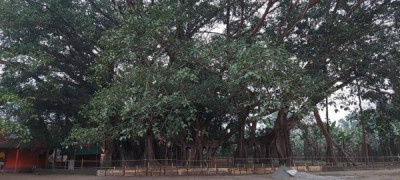
The most distinctive attraction of Jalikhata is its enormous banyan tree, locally believed to be more than 200 years old. Different accounts place its estimated age at around 208 to 212 years, while some plant experts have suggested that the tree could be considerably older. Because of the uncertainty surrounding its exact age, it is best described as an exceptionally old banyan rather than assigning it a definitive age. The sprawling branches and numerous aerial roots cover an area of approximately four to five bighas, creating a remarkable natural landscape.
Local people regard the banyan as one of the largest of its kind in Asia and the largest in Northeast India. The tree has become closely associated with the identity of Jalikhata and has attracted nature lovers, students, researchers, photographers and visitors interested in Assam's natural heritage.
Religious Significance
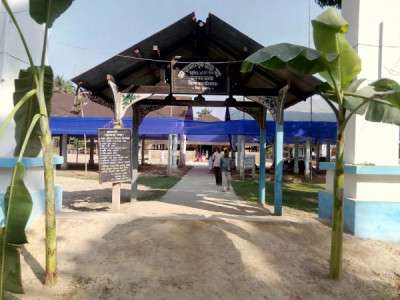
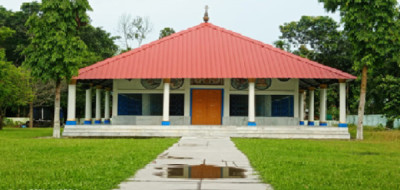
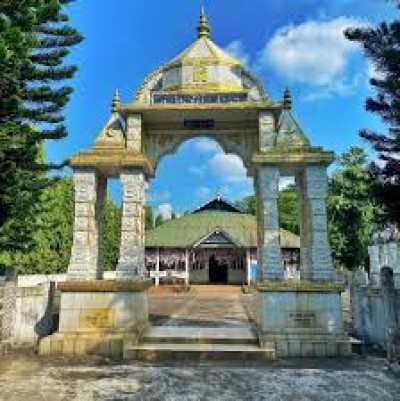
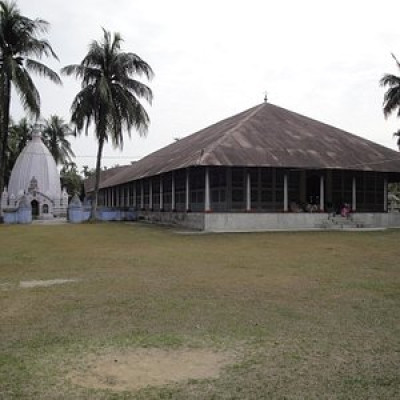
The area surrounding the banyan grove is associated with both Shiva and Kali worship. The site is popularly called Kalibari Than, while the Shiva shrine is also known as Shiv Than. According to local accounts, the Shiva temple was established in 1934. The premises are also associated with Sri Sri Shantiniketan Jan Seva Ashram, which has played a role in community activities and the preservation of local traditions.
Devotees visit the shrine throughout the year, particularly during important religious occasions. Local belief connects the site with wish-fulfilling prayers, adding to its spiritual importance among devotees.
Festivals and Local Traditions
Shiva Chaturdashi is one of the most important annual occasions at Jalikhata Kalibari Than. A large gathering and religious fair are held during the festival, attracting devotees from different places. The site also observes local celebrations such as Paro Suweri and Bhotheli during the Bohag Bihu season.
A distinctive community tradition is the annual celebration of the banyan tree's 'birthday'. The practice gained wider attention after local residents organized a special celebration around the tree on World Environment Day. Such activities reflect the strong connection between the local community and the natural landmark.
Environmental Importance
The giant banyan is more than a tourist attraction; it represents an important example of community-led appreciation of natural heritage. Local residents have worked to protect and maintain the tree and have also developed community activities around the site. At one point, the banyan grove reportedly faced a threat from a caterpillar-related disease, highlighting the need for continued care and conservation.
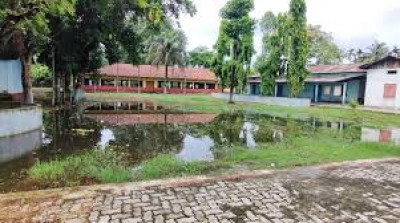
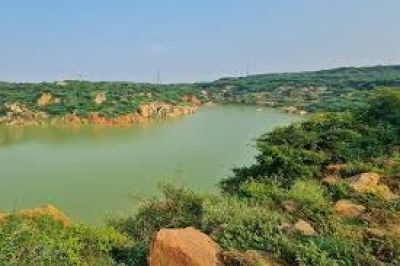
The riverside setting along the Kaldia River adds to the scenic character of the destination. Visitors can enjoy the peaceful rural surroundings while learning about the cultural traditions associated with the area.
How to Reach Jalikhata Kalibari Than from Guwahati?
By Road: Guwahati is the main gateway for visitors travelling to Bajali. Take NH-27 towards Pathsala and continue towards the Jalikhata area. Regular buses, shared vehicles and taxis are available from Guwahati towards Pathsala and nearby towns. From Pathsala, local auto-rickshaws, taxis or private vehicles can be used to reach Jalikhata Kalibari Than. The site is approximately 6 km from Pathsala, although the exact travel distance can vary depending on the starting point.
By Train: Pathsala Railway Station is the nearest major railway access point mentioned in the reference material. Trains from Guwahati and other parts of Assam connect with Pathsala. From the station, visitors can hire local transport to Jalikhata.
By Air: The nearest major airport is Lokpriya Gopinath Bordoloi International Airport in Guwahati. From the airport, visitors can hire a taxi or travel towards Pathsala by road before continuing to Jalikhata.
Where to Stay at Jalikhata Kalibari Than?
There are no major commercial hotels directly at the Jalikhata Kalibari Than site. Visitors generally use Pathsala as their base because it provides easier access to accommodation, food, transport and other essential services. Travelers who want a nature-oriented stay can also explore accommodation options in the wider Bajali and nearby areas.
Whom to Contact at Jalikhata Kalibari Than?
For information about special religious activities, festivals, local arrangements or permissions, visitors should contact the local temple or community management committee at Jalikhata. For broader tourism or administrative assistance, the Bajali district administration can be approached. Visitors should verify current local arrangements before planning a special event or organized visit.
Best Time to Visit Jalikhata Kalibari Than
Jalikhata Kalibari Than can be visited throughout the year. The winter and relatively pleasant months are suitable for sightseeing and exploring the banyan grove. Shiv Chaturdashi is particularly significant for visitors interested in the religious and cultural traditions of the site. During the monsoon, visitors should consider rainfall and local road conditions before travelling.
Visitor Tips for Jalikhata Kalibari Than
Visitors should maintain cleanliness around the banyan grove and temple premises. As the site is both religious and environmentally important, modest clothing and respectful behaviour are recommended. Avoid damaging aerial roots, branches or surrounding vegetation. During major festivals, the area can become crowded, so visitors should plan their journey and return transportation accordingly.
Jalikhata Kalibari Than is an important destination for anyone interested in Assam's religious heritage, traditional community life and natural landmarks. Its combination of the Shiva-Kali shrine, enormous banyan grove, Kaldia River setting and distinctive local festivals gives Jalikhata a character that is different from conventional tourist destinations in Assam.
Quick Info about Jalikhata Kalibari Than
FAQs about Jalikhata Kalibari Than
- Where is Jalikhata Kalibari Than located?Jalikhata Kalibari Than is located in Jalikhata village of Bajali district, Assam, near Pathsala and beside the Kaldia River.
- What is Jalikhata Kalibari Than famous for?Jalikhata Kalibari Than is mainly famous for its Shiva and Kali shrines and its enormous ancient banyan grove spread across several bighas of land.
- How old is the Jalikhata banyan tree?Local accounts generally estimate the banyan tree to be more than 200 years old, with references giving estimates of approximately 208 to 212 years. Some experts have suggested it could be older.
- How far is Jalikhata Kalibari Than from Pathsala?The site is approximately 6 km from Pathsala, although the exact distance can vary depending on the route and starting point.
- Which river flows near Jalikhata Kalibari Than?The Jalikhata Kalibari Than area is situated beside the Kaldia River.
- What temples are located at Jalikhata Kalibari Than?The site is associated with both a Shiva temple and a Kali temple and is popularly known as Kalibari Than or Kalibari Shiv Than.
- What is the main festival celebrated at Jalikhata Kalibari Than?Shiva Chaturdashi is one of the most important religious occasions at the site and attracts large numbers of devotees.
- How can I reach Jalikhata Kalibari Than from Guwahati?Visitors can travel from Guwahati towards Pathsala by road or train and then use a local taxi, auto-rickshaw or private vehicle to reach Jalikhata.
- Where can tourists stay near Jalikhata Kalibari Than?Pathsala is the most convenient nearby town for accommodation because it has lodging, restaurants, markets and transportation facilities.
- Why is the Jalikhata banyan tree important?The banyan tree is a major natural and cultural landmark of Jalikhata. Its huge spread, great age according to local estimates and strong connection with community traditions make it an important attraction in Bajali.