In Depth
History and Background of Akaya Satra
Akaya Satra is described in the supplied historical references as an old Vaishnavite centre with origins associated with the later period of the Neo-Vaishnavite movement. Some traditions place its establishment in the late 17th century, while other local accounts trace its roots further back. Its historical identity is therefore closely connected with the development and continuation of Vaishnavite religious practices in the greater Barpeta and Bajali region.
The Satra functions as a living religious institution rather than simply a historical monument. Its continued community involvement has helped preserve devotional practices, religious gatherings and aspects of traditional Assamese culture.
Religious and Cultural Significance of Akaya Satra
The central philosophy associated with Akaya Satra is devotion to Lord Krishna through the Ekasarana tradition. Naam Kirtan and other devotional practices form an important part of the religious environment. Community members gather for prayers, religious observances and cultural programmes, particularly during important occasions and festivals.
The Satra also reflects the close relationship between Assamese Vaishnavite institutions and traditional performing arts. The broader Satra tradition has contributed significantly to Assamese music, literature, devotional theatre and community life, including forms such as Bhaona and Ankia Naat.
Namghar and Architectural Heritage
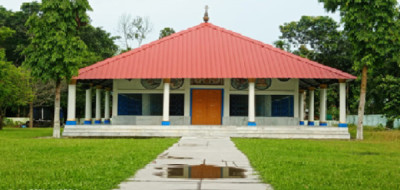
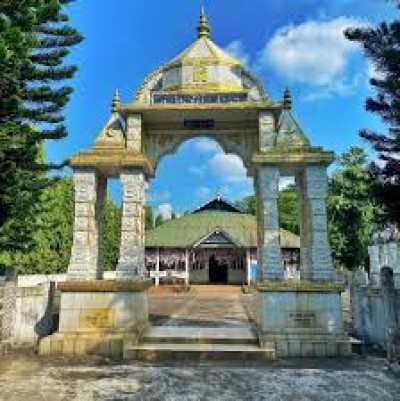
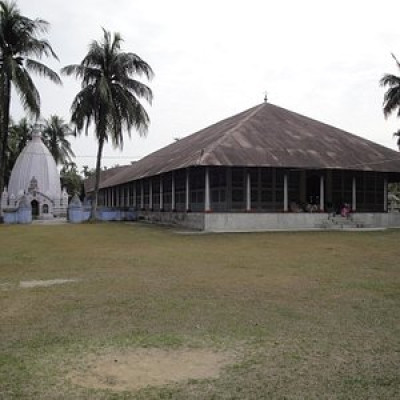
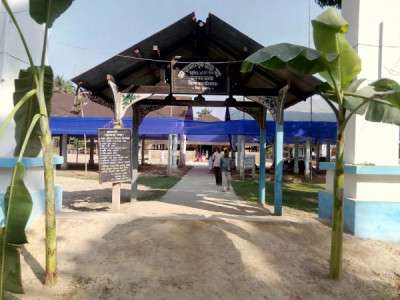
The Namghar serves as an important spiritual and communal space within the Satra. The supplied references describe traditional use of materials such as bamboo and timber and mention decorative elements associated with Assamese Vaishnavite aesthetics. Wooden craftsmanship, devotional imagery and traditional architectural features contribute to the cultural character of the site.
The Satra's design and activities are closely connected with its religious purpose, providing a space where collective prayer, devotional singing and community interaction can take place.
Akaya Village and Surroundings
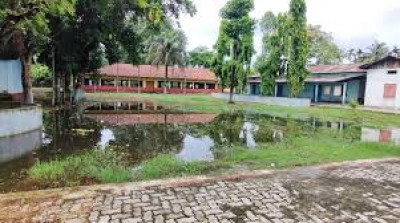
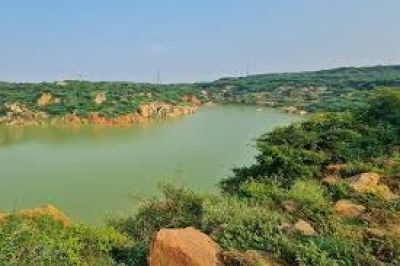
Akaya village covers approximately 367.68 hectares, or about 3.68 square kilometres. The reference information records approximately 329.75 hectares as agricultural or sown land, including about 185.13 hectares of unirrigated area. The rural setting gives visitors an opportunity to experience the cultural landscape surrounding the Satra.
Pathsala is the nearest major town and provides access to transportation, accommodation and other visitor facilities. Nearby destinations can also be combined with an exploration of Bajali's religious and natural attractions.
How to Reach Akaya Satra from Guwahati?
By Road: Guwahati is the main starting point for road journeys to Akaya Satra. Visitors can travel northwest through the NH 27 corridor towards Pathsala and the Bajali region. The journey is approximately 90 to 100 km, depending on the route and exact destination point. From Pathsala or Patacharkuchi, local roads lead towards Akaya village.
By Bus: Regular public and private buses operate from Guwahati towards Pathsala and other towns in the Bajali and Barpeta region. From the nearest town, local auto-rickshaws, shared vehicles or taxis can be used to reach Akaya.
By Train: Visitors can take a train from Guwahati towards Pathsala Railway Station. From Pathsala, the remaining journey to Akaya village can be completed by local road transport.
By Car or Taxi: A private vehicle or hired taxi offers greater flexibility, particularly for visitors planning to explore several attractions around Bajali.
Where to Stay at Akaya Satra?
Commercial accommodation directly around Akaya Satra is limited. Visitors can generally stay in nearby Patacharkuchi, Pathsala or Barpeta Road, where local hotels, lodges and guest houses provide more convenient accommodation options. Basic Satra or community accommodation may be available for specific religious programmes, but visitors should obtain prior permission before relying on such arrangements.
Best Time to Visit Akaya Satra
November to February is a comfortable period for visiting Akaya Satra because of the comparatively pleasant winter weather in Assam. Visitors interested in experiencing religious or cultural activities should check the local schedule before travelling, as programmes may vary throughout the year.
Whom to Contact for a visit at Akaya Satra?
For information about religious ceremonies, festivals, photography permissions, accommodation within a Satra setting or special visits, visitors should contact the Akaya Satra management or local community representatives. For wider tourism and administrative assistance in the region, the Bajali district administration can be approached. Current contact information should be confirmed before travelling.
Visitor Guidelines of Akaya Satra
Akaya Satra is a functioning religious institution, so visitors should respect the spiritual environment. Modest clothing, cleanliness and quiet behaviour are recommended. Shoes may need to be removed before entering designated sacred areas. Visitors should also seek permission before photographing religious ceremonies, devotees or restricted areas.
Akaya Satra is an important part of the religious and cultural heritage of Bajali. Its association with the Neo-Vaishnavite tradition, community-based devotional practices and Assamese cultural heritage makes it a meaningful destination for travellers interested in the history and spiritual traditions of Assam.
Quick Info About Akaya Satra
FAQs about Akaya Satra
- Where is Akaya Satra located?Akaya Satra is located in Akaya village in Bajali district, Assam, near Pathsala.
What is Akaya Satra famous for?
Akaya Satra is known for its Vaishnavite religious traditions, devotional practices, community prayers and Assamese cultural heritage.What religious tradition does Akaya Satra follow?
Akaya Satra is associated with Ekasarana Dharma and the Neo-Vaishnavite tradition of Assam.Is Akaya Satra associated with Srimanta Sankardeva?
Local historical traditions connect Akaya Satra with the wider Neo-Vaishnavite movement associated with Srimanta Sankardev and his followers.- When was Akaya Satra established?The supplied references describe its origins as being associated with the later period of the Neo-Vaishnavite movement, with some accounts placing its establishment in the late 17th century and other traditions tracing its roots further back.
- What can visitors experience at Akaya Satra?Visitors can experience the religious atmosphere of the Satra and may observe devotional prayers, Naam Kirtan and traditional cultural activities depending on the local schedule.
- How far is Akaya Satra from Guwahati?The Akaya Satra is approximately 90 to 100 km from Guwahati by road, depending on the route and exact location.
- What is the nearest town to Akaya Satra?Pathsala is the nearest major town and provides useful transport, accommodation and other visitor facilities.
Where can tourists stay while visiting Akaya Satra?
Visitors can stay in nearby Pathsala, Patacharkuchi or Barpeta Road, where commercial accommodation is more readily available.- What is the best time to visit Akaya Satra?November to February is generally a comfortable period for visiting because of the pleasant winter weather. Visitors interested in religious events should check the local programme schedule before travelling.