In Depth
History and Historical Significance of Badarpur Fort
The origins of Badarpur Fort are associated with the medieval history of the Barak Valley. Historical accounts connect the site with the Mughal period and the Dimasa Kachari Kingdom. Its exact origins and the sequence of its construction remain subjects of historical discussion. The fort is also linked with King Govinda Chandra, a prominent ruler associated with the later history of the Dimasa Kachari kingdom.
Badarpur holds additional political importance because of its association with the Treaty of Badarpur in 1824, during the early period of British involvement in the region. The fort and its surroundings were strategically significant because of their position along the Barak River, which served as an important route for movement and trade.
During the colonial period, British administration expanded its influence across the region. Badarpur subsequently developed as an important transport and commercial centre, particularly after the establishment of its railway junction in the late nineteenth century.
Architecture and Structure
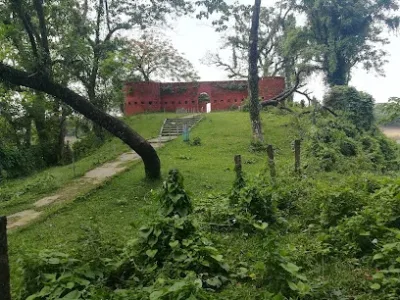
The remaining structures of Badarpur Fort offer glimpses of its defensive and architectural character. Historical descriptions refer to thick walls built using local stone, laterite and clay-based materials. The substantial construction reflects the need for protection and control over an important riverside location.
The surviving entrance structure is one of the notable features of the site. Sections of old walls and other structural remains help visitors imagine the fort's former layout. Some descriptions also mention carved stone doorways and unusual acoustic characteristics associated with the central courtyard. These features contribute to the architectural interest of the monument.
What to See at Badarpur Fort
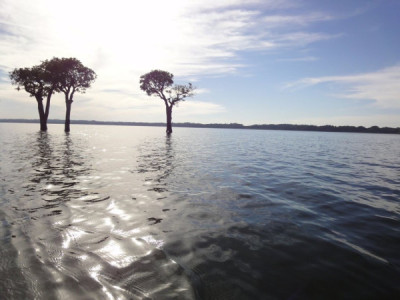
Visitors can explore the surviving fort structures, observe the old entrance and appreciate the setting beside the Barak River. The river views provide an additional attraction, particularly for photography and a quiet heritage visit. The remains also offer an opportunity to understand how riverside locations influenced settlement, trade and defence in earlier times.
Conservation and Heritage Importance
Badarpur Fort is a protected historical monument under the Assam Ancient Monuments and Records Act, 1959, and is associated with conservation efforts by the Directorate of Archaeology, Assam. Government funding has also been reported for restoration work, reflecting efforts to preserve the structure and improve its potential as a heritage tourism destination.
The fort's historical associations have led to proposals to recognise it more prominently, including suggestions to use the name Govinda Chandra Memorial Fort. Such discussions highlight the continuing interest in the site's regional history and identity.
Best Time to Visit Badarpur Fort
November to February is generally a comfortable period to explore Badarpur Fort. The cooler winter weather makes outdoor sightseeing more pleasant. Visitors can also consider the post-monsoon months, while checking local conditions before travelling.
How to Reach Badarpur Fort
By Road: Badarpur Fort is located at Badarpur Ghat and can be reached by road from Sribhumi, Silchar and other towns in southern Assam. National Highway 8 and the connecting local roads provide access to the area. Taxis, buses and hired vehicles are possible transport options.
By Train: Badarpur Junction is an important railway station serving the Barak Valley. From the station, visitors can arrange a local taxi or other transport to reach the fort.
By Air: Silchar Airport at Kumbhirgram is the nearest practical airport for many visitors. From there, continue towards Badarpur by road.
Visitor Information and Travel Tips
Badarpur Fort is a heritage site rather than a modern recreational complex, so visitors should not expect extensive tourist facilities within the premises. Although some references describe free entry and round-the-clock access, confirm current visiting arrangements with local authorities before travelling. Daylight visits are preferable for exploring the old structures and riverside surroundings.
Wear comfortable footwear, avoid climbing unstable sections of the ruins and do not damage or remove any part of the monument. Respect any restricted areas marked by the conservation authorities.
Why Visit Badarpur Fort?
Badarpur Fort offers a valuable glimpse into the layered history of southern Assam. Its connections with regional kingdoms, the Treaty of Badarpur, colonial administration and the development of the Barak Valley make it more than an old riverside structure. For visitors interested in Assam's lesser-known historical places, the fort is a worthwhile heritage stop while exploring Sribhumi and nearby destinations.