Detailed Notes
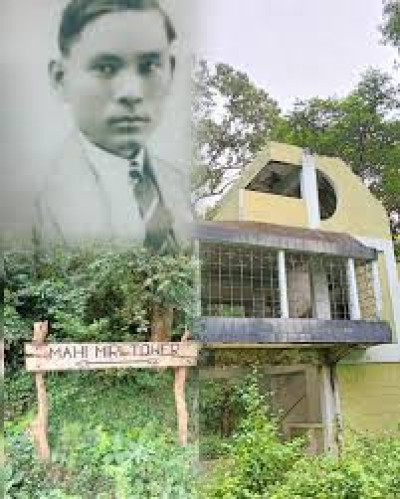
After joining the Imperial Forest Service, Mahi Chandra Miri was assigned to Kaziranga, where he undertook the difficult task of protecting its forests and wildlife. He regularly patrolled the sanctuary on elephant back and on foot, destroyed numerous poacher camps, and established continuous anti-poaching surveillance. His efforts greatly reduced illegal hunting and helped restore safety for the park's wildlife.
Being a member of the Mising community, Mahi Chandra Miri earned the trust of nearby villagers and encouraged them to participate in conservation activities. Their local knowledge proved valuable in identifying poachers and protecting the sanctuary. His leadership also helped prepare Kaziranga for its official opening to visitors in 1938 under British Conservator A. J. Milroy.
One of his remarkable achievements was supervising the first live capture of a one-horned rhinoceros from Kaziranga for scientific purposes. British naturalist Edward Pritchard Gee later praised him as "the man who put Kaziranga on the world map." Although he died in 1939 at the age of only 36, Mahi Chandra Miri's fearless service transformed Kaziranga from a neglected hunting ground into a protected wildlife sanctuary, making him one of Assam's greatest conservation heroes.