Detailed Notes
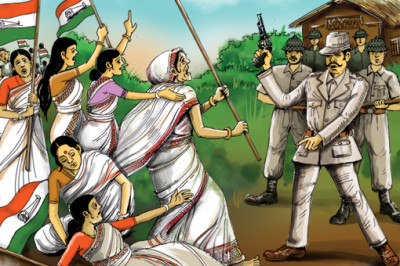
The Indian freedom movement witnessed unparalleled contributions from women, who not only supported male leaders but also led several initiatives on their own. Assam's women actively participated in the Civil Disobedience Movement, Quit India Movement, anti-opium campaigns, and local protests against oppressive British policies. Despite facing arrests, police lathi charges, and bullet injuries, these women never wavered in their determination to serve the motherland.
Here is a list of notable women freedom martyrs from Assam and their contributions:
-
Kanaklata Barua – Known as Birbala Kanaklata, she was only 17 when martyred while leading a procession to hoist the national flag at the Gohpur police station on September 20, 1942, during the Quit India Movement. Her fearlessness remains an enduring symbol of youth courage. Click here to know more.
-
Pushpalata Das – A prominent freedom activist from Assam, she was deeply involved in nationalist movements, frequently courted arrest, and inspired other women to join the struggle, though she survived the colonial onslaught. Click here to know more.
-
Tileswari Barua – A teenage schoolgirl who participated in the Quit India Movement and was shot by British police during a protest in Dhekiajuli on the same day as Kanaklata Barua. She is recognized as India’s youngest female martyr. Click here to know more.
-
Bhogeswari Phukanani – A fearless revolutionary, she resisted colonial officers in 1942 and was shot dead. Her legacy stands as a powerful example of Assamese women's valor. Click here to know more.
-
Mangri alias Malati Mem (Lalmati, Darrang) – A tea plantation worker who led anti-opium campaigns. In 1921, she was killed by government supporters while supporting Congress volunteers in prohibition campaigns. She became a symbol of tribal resistance in Assam. Click here to know more.
-
Dariki Dasi Baruah (Golaghat) – Actively involved in the Civil Disobedience Movement, she led anti-opium picketing even while pregnant. Arrested on February 1, 1932, she was jailed for six months and passed away in custody due to lack of proper care. Click here to know more.
-
Rebati Lahon (Teok) – A participant and organiser of the Quit India Movement, she was jailed in 1942. Suffering from pneumonia during imprisonment, she died soon after release due to poor health conditions.
-
Khahuli Devi (Dhekiajuli) – Shot dead while pregnant during the Dhekiajuli police firing on September 20, 1942. Her sacrifice highlighted the active participation of women in violent confrontations for freedom.
-
Kumali Devi (Dhekiajuli) – Another brave martyr shot dead at Dhekiajuli on September 20, 1942, alongside Tileswari Barua and Khahuli Devi.
-
Padumi Gogoi (Dhekiajuli) – Wounded during a lathi attack at Dhekiajuli police station and jailed for six months. She was released in poor health and died shortly after.
-
Golapi Chutiani (Dhekiajuli) – Severely wounded in the 1942 lathicharge during protests, she succumbed to injuries later.
-
Lila Neogoni (Lakhimpur) – Beaten by police while participating in a 1942 revolt. She succumbed to injuries after two months.
-
Thunuki Das (Dhekiajuli) – Injured in the lathicharge during the 1942 protest and died a few days later.
-
Jaluki Kachariani (Dhekiajuli) – Shot during the Dhekiajuli police firing and passed away soon after.
-
Kon Chutiani (Dhekiajuli) – Injured in a lathi attack and succumbed to her wounds within a few days.
Key Contributions & Highlights:
-
Assamese women actively participated in Quit India Movement, Civil Disobedience Movement, and anti-opium campaigns.
-
They often faced bullet injuries, police brutality, and imprisonment, yet their resolve never faltered.
-
Many of these women were teenagers or young adults, showing extraordinary courage and patriotism.
-
Their actions inspired entire communities and subsequent generations of freedom fighters.
Assamese women martyrs like Kanaklata Barua, Tileswari Barua, and Mungri (Malati Mem) have become icons of courage. Their sacrifices are remembered in local history, literature, plays, and commemorative projects by the Government of India. By understanding their lives, modern youth can appreciate the vital role women played in shaping India’s independence movement, especially in Northeast India.
The stories of these martyrs highlight the intersection of regional struggles and the national freedom movement, emphasizing Assam’s critical role in India’s fight against colonialism. They remind us that freedom came at a cost, and the bravery of ordinary women from small villages helped shape the destiny of the nation.