Detailed Notes
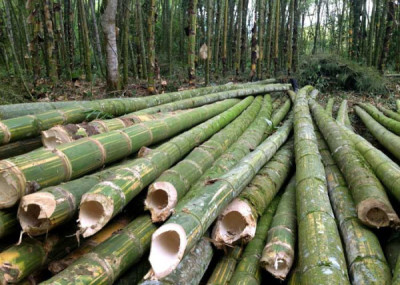
Assam has an estimated bamboo resource base of more than 1000 species, making it a leading contributor to India's bamboo sector. The major bamboo-producing districts include Cachar, Karbi Anglong, Dima Hasao, Nagaon, Lakhimpur, Sonitpur, and Golaghat. These regions supply bamboo to both traditional artisans and modern industry, ensuring consistent economic activity throughout the year.
Government support has significantly boosted bamboo cultivation in Assam. The State Bamboo Development Agency (SBDA), along with the National Bamboo Mission, promotes scientific bamboo farming, organized plantations, and high-quality nurseries across the state. These initiatives help farmers adopt better cultivation practices while connecting them to modern markets. The Bamboo Technology Park in Chaygaon is another milestone, designed to enhance bamboo processing, research, and skill development. It focuses on innovative applications including bamboo boards, pre-fabricated structures, bioethanol production, textiles made from bamboo fiber, and sustainable packaging materials.
Bamboo-based value addition is one of the fastest-growing industries in Assam. Artisans are now producing high-value products such as bamboo lamps, water bottles, furniture, tiles, wall panels, mats, baskets, and eco-friendly lifestyle items. Many of these products are gaining demand in national and international markets, creating opportunities for rural entrepreneurs and self-help groups.
Environmentally, bamboo is one of the most sustainable natural resources in Assam. It is the world's fastest-growing plant, regenerates quickly, and requires minimal maintenance. Its ability to stabilize soil and support biodiversity makes it ideal for agroforestry and climate-friendly farming. The growing focus on bamboo plantations also helps reduce dependency on timber, contributing to forest conservation efforts.
Despite its rich natural resources, Assam's bamboo craft sector is still developing in terms of large-scale export potential. Strengthening market linkages, improving product design, and encouraging industrial investments can further elevate Assam's position in the global bamboo economy.
Key Pointers
-
Assam has one of the highest bamboo reserves in India.
-
Major species: Bhaluka, Jati, Muli, Dalu.
-
Key producing districts: Cachar, Nagaon, Karbi Anglong, Lakhimpur, Dima Hasao.
-
Supported by National Bamboo Mission and SBDA.
-
Bamboo Technology Park in Chaygaon enhances processing and innovation.
-
Bamboo used in housing, furniture, handicrafts, textiles, and biofuel.
-
High potential for domestic and international market expansion.
-
Plays a crucial role in sustainable and eco-friendly development.
-
Supports livelihoods of thousands of rural households.
-
Ideal for promoting green industries and agri-based entrepreneurship.