Detailed Narrative
At its core, Bhaona is a theatrical performance that combines drama, music, dance, and storytelling. The plays performed in Bhaona are known as Ankiya Naat, which literally means one-act plays. These dramas are primarily based on mythological stories drawn from ancient Indian texts such as the Bhagavata Purana, Ramayana, and Mahabharata. Through these performances, moral values and spiritual lessons are conveyed in a simple and visually captivating manner.
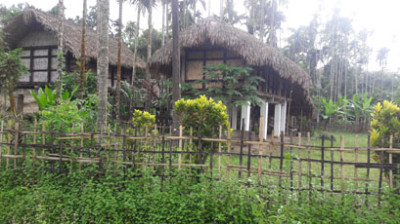
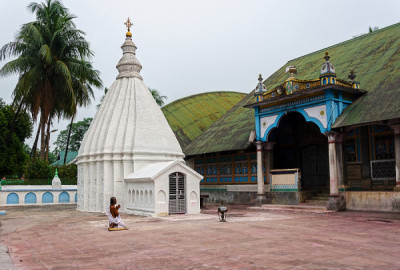
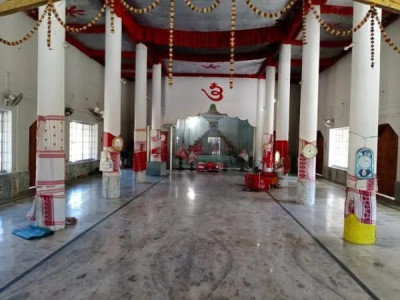
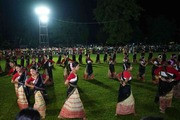
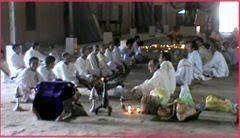
One of the defining features of Bhaona is its performance style. Traditionally, it is staged in Namghars, which are community prayer halls, or in Sattras, which are Vaishnavite monasteries established by Sankardeva. The performance takes place in an open area, with the audience seated around the stage on three sides. This arrangement creates an immersive environment where viewers feel closely connected to the performers and the unfolding story.
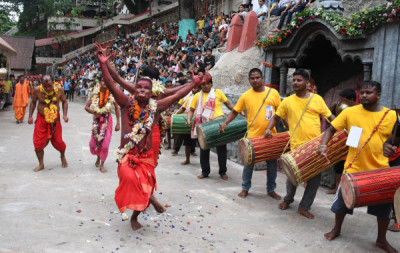
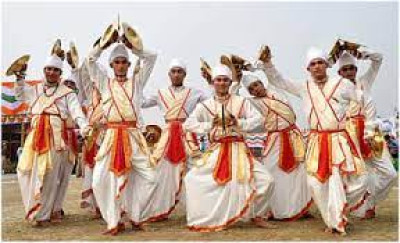
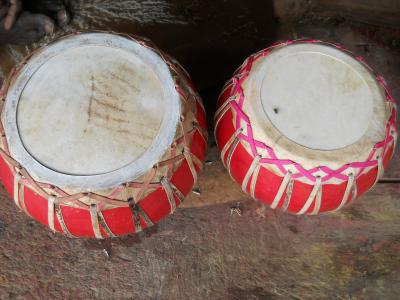
The structure of a Bhaona performance is highly organized and symbolic. It begins with musical performances by a group of singers and instrumentalists known as Gayan and Bayan. They play traditional instruments such as the Khol (a type of drum), Taal (cymbals), Doba, and Nagara. The rhythmic beats and devotional songs set the tone for the play and create a spiritual atmosphere.
A central figure in Bhaona is the Sutradhar, who acts as the narrator and guide throughout the performance. The Sutradhar introduces the story, explains the context, and helps the audience understand the sequence of events. Dressed in distinctive attire, the Sutradhar plays a crucial role in maintaining the flow of the performance and bridging the gap between the actors and the audience.
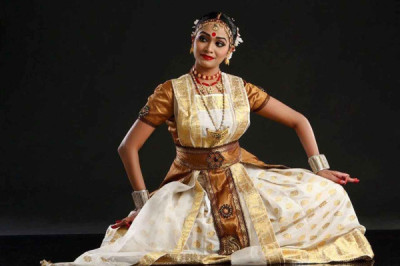
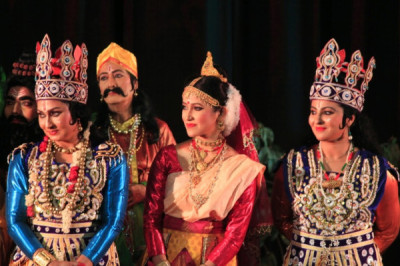
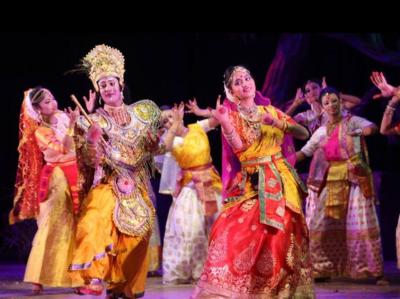
The actors, known as Bhaoriya, bring the characters to life through expressive acting, stylized movements, and elaborate costumes. The costumes are colorful and detailed, representing kings, queens, gods, demons, and mythical creatures. One of the most striking elements of Bhaona is the use of masks, known as Mukha. These masks are intricately designed and crafted using traditional techniques, adding a dramatic and visual dimension to the performance.
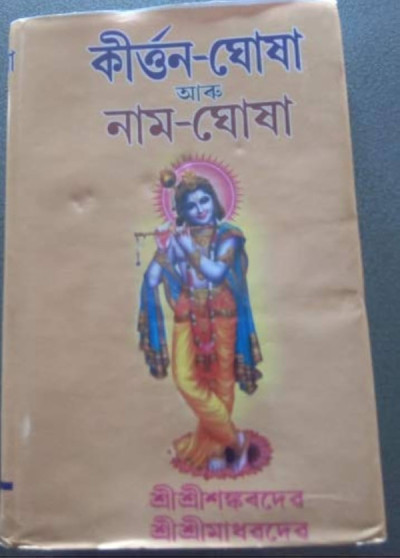
Language is another important aspect of Bhaona. Originally, the dialogues and songs were composed in Brajavali, a literary language created by Sankardeva. This language was a blend of Assamese and Maithili, designed to be easily understood while retaining a classical and devotional tone. Over time, many performances have started using the Assamese language to make the content more accessible to contemporary audiences.
The themes of Bhaona revolve around the eternal struggle between good and evil. The stories often depict the temporary victory of negative forces, followed by the ultimate triumph of righteousness and divine power. This narrative structure not only entertains but also imparts moral and ethical lessons, making Bhaona a powerful medium of education and spiritual guidance.
Historically, Bhaona has undergone several transformations. After Sankardeva, his disciple Madhavdeva and other followers contributed to the development of this art form by writing new plays and introducing variations in style and presentation. Over the centuries, different forms of Bhaona have emerged, including Dhura Bhaona, Juri Bhaona, and Baresahariya Bhaona, each with its own unique characteristics.
While traditional Bhaona performances were confined to religious institutions, they gradually expanded to other social and cultural spaces. Today, Bhaona is performed on modern stages, in cultural festivals, and even in educational institutions. Despite these changes, the essence of Bhaona remains rooted in its original purpose of promoting devotion, morality, and cultural awareness.
Another notable aspect of Bhaona is its role in community building. It brings together people from different backgrounds, fostering a sense of unity and shared identity. The preparation and performance of Bhaona involve collective effort, with community members participating as performers, musicians, and organizers.
In recent years, Bhaona has gained recognition beyond Assam as an important cultural heritage of India. Efforts are being made to preserve and promote this traditional art form through cultural programs, workshops, and digital platforms. Artists and scholars are working to document and revive traditional practices while also experimenting with new themes and techniques.
The visual appeal of Bhaona, combined with its spiritual depth, makes it a unique form of entertainment. It is not merely a performance but a cultural experience that reflects the values, beliefs, and artistic traditions of Assamese society. The use of music, dance, costumes, and storytelling creates a holistic experience that engages both the mind and the soul.
In conclusion, Bhaona stands as a timeless representation of Assam's cultural richness and spiritual heritage. It is a living tradition that continues to evolve while preserving its core values. Through its powerful storytelling and artistic expression, Bhaona connects generations and keeps the legacy of Assamese culture alive. Whether performed in a traditional Namghar or on a modern stage, Bhaona remains a symbol of devotion, creativity, and cultural pride.
FAQs on Bhaona