Detailed Narrative
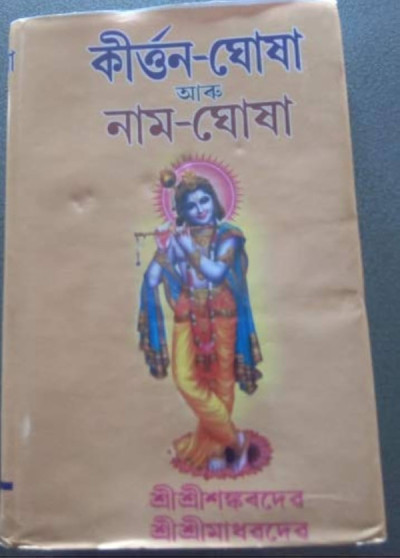
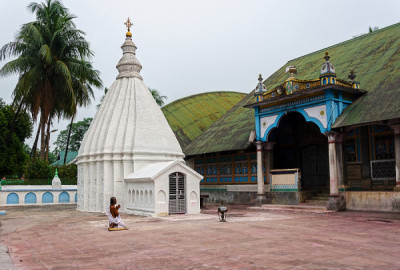
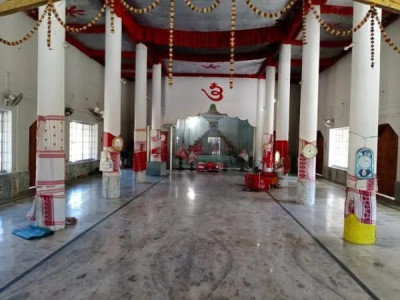
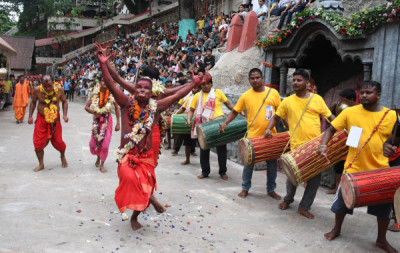
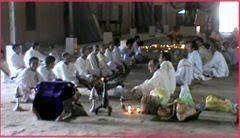
The origins of Sattriya Nritya date back to the 15th-16th century when it was introduced by the great saint, scholar, and reformer Srimanta Sankardeva. He developed this dance form as a part of his Neo-Vaishnavite movement to spread devotion and moral values through artistic performances. Sattriya was initially performed in monasteries known as Sattras, from which it derives its name. These Sattras served as centers of spiritual learning and cultural activities, where the dance was practiced as a ritualistic offering.
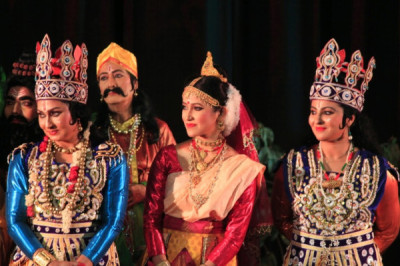
In its early days, Sattriya Nritya was performed exclusively by male monks known as bhokots. These performances were an integral part of daily prayers and special religious occasions. The dance was closely associated with Ankiya Naat, a form of one-act play also created by Sankardeva. Through these performances, stories from Hindu mythology, especially those related to Lord Krishna and other avatars of Vishnu, were presented in a visually engaging and spiritually uplifting manner.
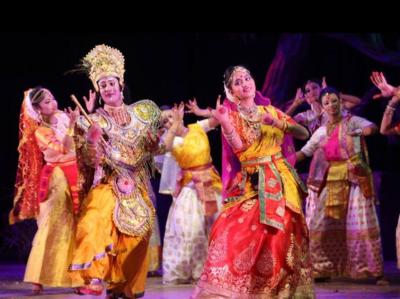
Over time, Sattriya Nritya evolved beyond the confines of monasteries and gained recognition as a classical dance form. Today, it is performed on national and international stages by both male and female artists. Despite this transition, the dance has retained its traditional essence and continues to reflect the spiritual and cultural values of Assam.
One of the defining features of Sattriya Nritya is its structured format. A traditional performance is usually divided into three main parts: Guru Vandana, Ramdani, and Geet Abhinaya. Guru Vandana is the invocation that pays respect to the गुरु or spiritual teacher. Ramdani is a pure dance segment that showcases intricate footwork and rhythmic patterns. Geet Abhinaya is the expressive part where the dancer interprets songs and narratives through facial expressions and gestures.
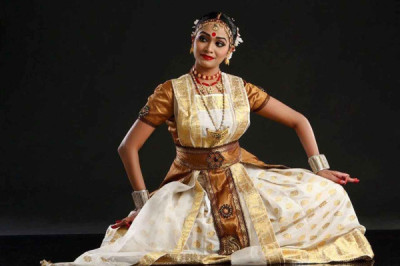
Sattriya Nritya is known for its distinctive posture and movements. The dancers often perform in a semi-sitting position known as 'araimandi' or similar stance, which requires balance, flexibility, and control. The movements are fluid and precise, combining both nritta (pure dance) and nritya (expressive dance). The storytelling aspect, or natya, plays a crucial role in conveying the themes and emotions of the performance.
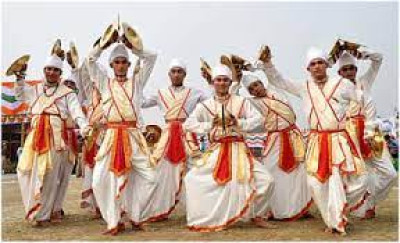
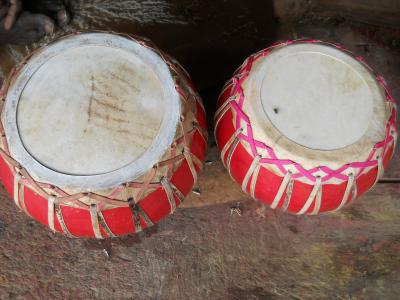
Music is an essential component of Sattriya Nritya. The dance is accompanied by devotional songs known as Borgeet, which were composed by Sankardeva and his followers. These songs are based on classical ragas and create a serene and spiritual atmosphere. Traditional musical instruments such as the Khol (drum), Taal (cymbals), and flute are commonly used to provide rhythm and melody.
The costumes and ornaments used in Sattriya Nritya add to its visual appeal. Dancers typically wear traditional Assamese attire made from silk fabrics such as Pat and Muga. The costumes are adorned with intricate patterns and designs that reflect the rich textile heritage of Assam. The jewelry is also traditional, enhancing the overall elegance and authenticity of the performance.
Sattriya Nritya encompasses a wide range of styles and forms. Some of the popular types include Apsara Nritya, Chali Nritya, Dasavatara Nritya, and Jhumura. Each of these styles has its own unique characteristics and themes, offering variety and depth to the dance form. The diversity within Sattriya allows dancers to explore different aspects of storytelling and expression.
The recognition of Sattriya Nritya as one of the eight classical dance forms of India was a significant milestone. In the year 2000, the Sangeet Natak Akademi officially acknowledged its status, placing it alongside other renowned classical dances such as Bharatanatyam, Kathak, and Odissi. This recognition brought national and international attention to Sattriya and helped in its preservation and promotion.
In modern times, Sattriya Nritya has adapted to changing cultural landscapes while maintaining its traditional roots. Contemporary performances often incorporate new themes and innovative choreography, making the dance more relevant to today's audiences. However, the core elements of devotion, discipline, and artistic expression remain unchanged.
Sattriya Nritya also plays an important role in cultural education and awareness. It is taught in various institutions and academies, encouraging young artists to learn and preserve this ancient art form. Workshops, festivals, and cultural programs further contribute to its popularity and appreciation.
The global recognition of Sattriya Nritya has opened new avenues for cultural exchange. Performers from Assam now showcase this dance on international platforms, introducing global audiences to the beauty and depth of Assamese culture. This not only promotes cultural diversity but also strengthens the identity of the region on a global scale.
In conclusion, Sattriya Nritya is a timeless classical dance that beautifully blends art, spirituality, and tradition. Its journey from the sacred halls of Sattras to global stages is a testament to its enduring appeal and cultural significance. As a symbol of Assam's rich heritage, Sattriya continues to inspire and captivate audiences with its grace, devotion, and artistic excellence.
FAQs on Sattriya Nritya