In Depth
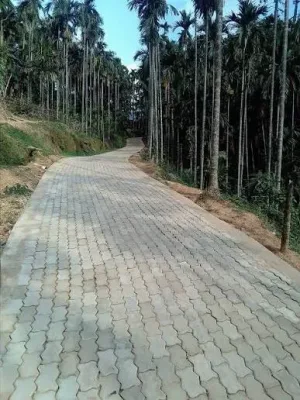
Kalibheti is particularly interesting for travellers who enjoy rural landscapes, nature walks, photography and exploring lesser-known places. The surrounding area combines village life with forests, hills, streams and agricultural landscapes, creating a distinctive setting in the Brahmaputra Valley.
The village is associated with Kalibheti N.C., a small rural settlement administered under the Pachim-Kaliabor Community Development Block. The term N.C. is commonly used for non-cadastral settlements in Assam and is associated with villages that developed in areas historically connected with forest, riverine or peripheral land.
Natural Landscape Around Kalibheti
One of the main attractions of visiting Kalibheti is its natural setting. The village and surrounding countryside have a forest-edge character, with bamboo groves, cane vegetation, agricultural fields and patches of natural greenery. The landscape changes significantly with the seasons, becoming especially lush during and after the monsoon.
The wider Kaliabor region contains both plain and hill landscapes, making it suitable for travellers interested in combining village exploration with short nature excursions. Paddy fields, tea-growing areas and forest vegetation contribute to the area's rural character.
The region is also influenced by the seasonal water systems of Assam. During the monsoon, heavy rainfall can increase water levels in streams and low-lying areas, while the post-monsoon period generally brings greener scenery and pleasant conditions for outdoor exploration.
Kalibheti Hills and Nature Trails
The hills around Kalibheti provide opportunities for walking, photography and exploring the natural landscape. Rather than being a conventional commercial hill station, this is a rural and relatively offbeat destination where visitors can experience Assam's countryside and hill-edge environment.
Visitors interested in trekking should use local guidance, particularly when exploring less-developed trails. Weather conditions can change quickly during the rainy season, and some paths may become slippery or difficult to access.
Harlunglangso Waterfall
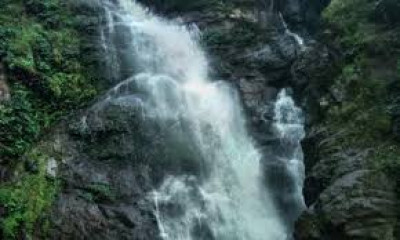
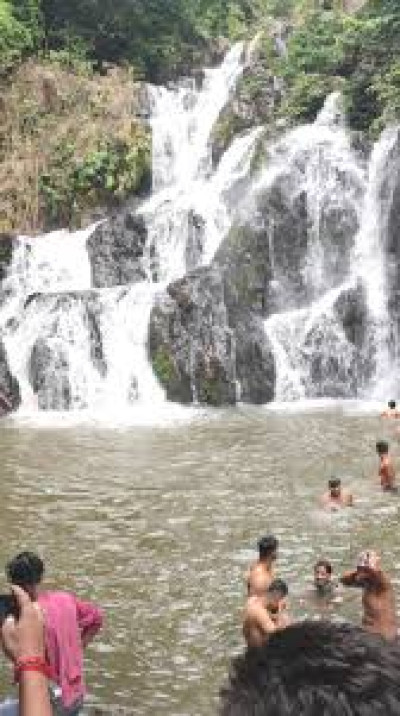
Harlunglangso Waterfall is one of the notable natural attractions associated with the wider Kalibheti hill area. Surrounded by greenery and rocky terrain, the waterfall is of interest to travellers looking for scenic locations away from heavily commercialised tourist spots.
The waterfall and surrounding landscape are particularly attractive during the wetter months and after the monsoon. Visitors should check local conditions before travelling because access to waterfalls and hill trails can depend on rainfall, road conditions and local guidance.
Khasiapunji Village
Khasiapunji is another interesting destination in the Kalibheti hill region. The village is known for its orderly surroundings, community-based lifestyle and traditional rural setting. It offers visitors an opportunity to observe local village life and learn about the relationship between communities and their surrounding environment.
Travellers visiting Khasiapunji should respect local customs and avoid disturbing residents or entering private property without permission. Trying locally prepared food, observing traditional practices and interacting respectfully with residents can make a village visit more meaningful.
Rural Life and Local Culture
Kalibheti provides a glimpse into everyday rural Assam. Agriculture, household gardens, bamboo cultivation and traditional village practices form an important part of life in the surrounding communities.
The village environment is particularly suitable for travellers who prefer slow tourism. Instead of visiting a destination only for a single landmark, visitors can spend time walking through the countryside, photographing agricultural fields, observing local architecture and experiencing the peaceful atmosphere.
The surrounding Kaliabor region also has a strong cultural and historical identity, with temples, namghars, traditional settlements and historic sites located within the broader area.
Nearby Historical and Cultural Attractions
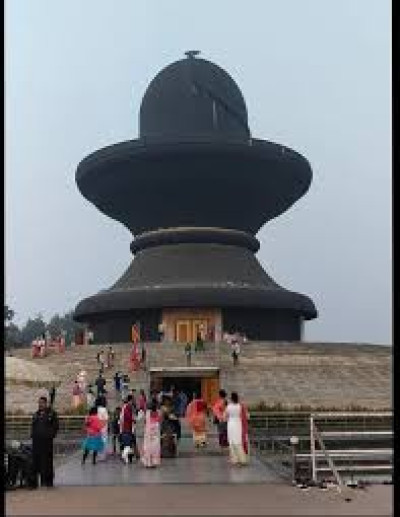
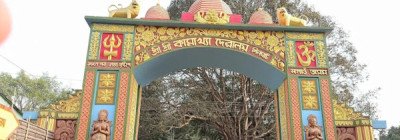
Kalibheti's location makes it possible to explore several attractions in the wider Kaliabor region. Silghat, situated along the Brahmaputra, is known for its river landscape and religious heritage. The area is also associated with temples and traditional places of worship, including Kamakhya-related shrines and Hatimura Durga Mandir.
Travellers can combine a visit to Kalibheti with other Kaliabor attractions depending on their available time. The western side of Kaziranga National Park is also within the broader regional travel circuit, making the area useful for visitors planning a larger Nagaon-Kaliabor itinerary.
Best Time to Visit Kalibheti
October to April is generally a comfortable period for exploring Kalibheti and its surrounding attractions. The weather is more suitable for road travel, village walks, photography and outdoor activities.
The monsoon brings abundant greenery and stronger waterfalls but can also make rural roads and trekking routes difficult. Visitors planning to explore waterfalls or hill trails during the rainy season should check local weather and road conditions before travelling.
How to Reach Kalibheti Village from Guwahati
Tezpur Airport is another regional airport that may be considered depending on flight availability and the traveller's route.
Where to Stay Near Kalibheti
Kalibheti is a small rural settlement and does not have the same concentration of hotels as major tourist centres. Visitors can consider accommodation in the wider Kaliabor, Silghat, Nagaon and Kaziranga areas.
For a more comfortable trip, travellers can stay in nearby towns or nature-oriented properties and visit Kalibheti as part of a day excursion. Those planning to explore the hills, waterfall and nearby villages should arrange accommodation in advance, particularly during weekends, holidays and peak tourist seasons.
Responsible Tourism in Kalibheti
Kalibheti's appeal comes largely from its natural surroundings and peaceful village environment. Visitors should help preserve this character by avoiding littering, carrying reusable water bottles, respecting local communities and not damaging plants or natural features.
Photography should be carried out respectfully, especially when photographing residents, homes, religious places or traditional activities. Visitors should also avoid loud music and activities that disturb wildlife or local communities.
Kalibheti Village is best experienced as a slow, nature-focused destination where the journey through the countryside is as important as the attractions themselves.
Quick Info About Kalibheti
| Information | Details |
|---|---|
| Tourist Place | Kalibheti Village |
| Also Known As | Kaliveti, Kalibheti Gaon, Kalibheti N.C. |
| Location | Kaliabor, Nagaon district, Assam |
| State | Assam, India |
| Area | Approximately 112.04 hectares |
| Village Population | Approximately 273 residents |
| Administrative Area | Pachim-Kaliabor Community Development Block |
| Famous For | Forest-fringed landscape, Kalibheti Hills, rural life and nearby natural attractions |
| Nearby Attraction | Khasiapunji Village |
| Nearby Waterfall | Harlunglangso Waterfall |
| Nearest Major City | Nagaon |
| Best For | Nature lovers, village tourism, trekking and photography |
| Recommended Season | October to April |
| Nearest Major Airport | Lokpriya Gopinath Bordoloi International Airport, Guwahati |
| PIN Code | 782139 |
FAQs About Kalibheti
- Where is Kalibheti Village located?
Kalibheti Village, also known as Kaliveti or Kalibheti Gaon, is located in the Kaliabor area of Nagaon district in Assam.
- Why is Kalibheti Village famous?
Kalibheti is known for its peaceful rural environment, forest-fringed landscape, nearby hills and access to natural attractions such as Harlunglangso Waterfall and Khasiapunji Village.
- What can I see near Kalibheti Village?
Visitors can explore the Kalibheti hill landscape, Harlunglangso Waterfall, Khasiapunji Village and other natural, cultural and religious attractions in the wider Kaliabor region.
- How far is Kalibheti from Guwahati?
Kalibheti is located in the Kaliabor region of Nagaon district, and the road journey from Guwahati generally takes several hours depending on the route, traffic and road conditions.
- How can I reach Kalibheti from Guwahati?
The easiest option is to travel by road from Guwahati towards Nagaon and Kaliabor and then continue on local roads towards Kalibheti. Train and taxi combinations are also possible.
- What is the best time to visit Kalibheti Village?
October to April is generally suitable for visiting Kalibheti because the weather is more comfortable for road travel, village walks and outdoor exploration. The monsoon can be attractive for waterfalls but may make roads and trails difficult.
- Is Kalibheti suitable for trekking?
The surrounding Kalibheti hills offer opportunities for nature walks and trekking. Visitors should use local guidance for lesser-known trails and check weather and road conditions before starting.
- Is Harlunglangso Waterfall near Kalibheti?
Harlunglangso Waterfall is a notable natural attraction associated with the wider Kalibheti hill area. Local access conditions should be checked before visiting the waterfall.
- Where can I stay while visiting Kalibheti?
Since Kalibheti is a small rural settlement, visitors can consider accommodation in the wider Kaliabor, Silghat, Nagaon or Kaziranga areas and travel to Kalibheti as part of a local sightseeing itinerary.
- Can Kalibheti be included in a Kaliabor sightseeing trip?
Yes. Kalibheti can be combined with other attractions in the Kaliabor region, including rural villages, hill landscapes, Silghat, religious sites and other nearby nature destinations.