In Depth
The area had earlier been associated with salt production during the Chutia period. Following the expansion of the Ahom Kingdom after 1523, Borhat came under the rule of King Suhungmung, also known as Dihingia Raja. Its importance increased because of its role in supplying mineral salt to surrounding communities. The market also became a meeting point for traders and people from nearby hill regions, including communities from the Naga and Arunachal areas.
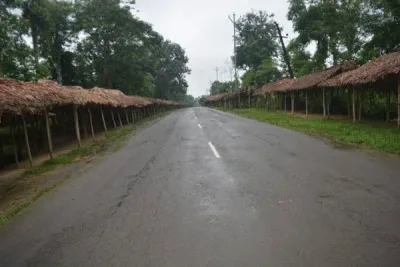
Historically, the weekly market was held around Raja Pukhuri, also known as Borpatra Pukhuri. The trading activity around this market helped the settlement develop into an important commercial centre. Although the historic salt trade has disappeared, Borhat Bazar continues to function as a local weekly market and retains its connection with the commercial history of eastern Assam.
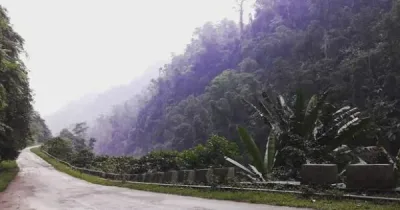
Modern Borhat is surrounded by greenery and tea-growing areas, with tea gardens such as Borhat Bagicha and Mahalakhi Tea Estate contributing to the character of the region. The area is also connected by the Borhat railway station, making it accessible to travellers exploring eastern Charaideo.
For visitors interested in Assam history, Ahom heritage, traditional markets and lesser-known tourist places, Historical Borhat Bazar provides an opportunity to explore a different aspect of the state's past. Its historical connection with mineral salt trade and its location near other Charaideo attractions make it a worthwhile stop for travellers exploring the region.