In Depth
The name Gupta Kashi means 'Hidden Kashi' and reflects the site's traditional association with the sacred city of Kashi. Biswanath Ghat has been an important religious centre for generations and is believed to have connections with the ancient spiritual traditions of Assam. Local legends associate the place with King Bana and the worship of Lord Shiva, while the surrounding temples and archaeological remains reflect the area's long cultural history.
One of the most distinctive features of Biswanath Ghat is its relationship with the changing water level of the Brahmaputra. During the monsoon, rising river water can cover portions of the old temple site and sacred structures near the river. When the water recedes during winter, the riverbank and temple remains become more accessible, creating a striking landscape of sand, rocks, flowing water, and greenery.
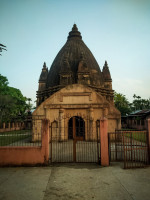
The ghat is also known for its collection of historic shrines. Among the notable structures is the Bordol Temple, associated with the Ahom period and known for its traditional architectural character. Smaller shrines in the surrounding area add to the religious atmosphere and provide visitors with an opportunity to explore the spiritual heritage of the region.
Beyond its religious importance, Biswanath Ghat is an attractive destination for nature lovers and photographers. The Brahmaputra provides a dramatic backdrop, while winter brings wide stretches of riverine sand and changing landscapes along the ghat. Visitors can enjoy peaceful walks, photography, sightseeing, and views of the surrounding countryside.
Another interesting attraction in the area is Umatumuni Island, located near Biswanath Ghat. The island and its surroundings add to the area's appeal for visitors interested in river landscapes, local history, and traditional culture. Across the Brahmaputra, the wider landscape also offers views towards the Kaziranga region and the hills of Karbi Anglong on clear days.
Biswanath Ghat has also gained national recognition for its tourism potential. In 2023, Biswanath Ghat was selected as India's Best Tourism Village, highlighting its combination of cultural heritage, community life, religious traditions, and natural surroundings.
The destination becomes particularly vibrant during Maha Shivaratri, when devotees gather to offer prayers to Lord Shiva. Bohag Bihu and Goxai Bihu are also important occasions when the area reflects Assam's traditional religious and cultural celebrations. Visitors interested in experiencing the local atmosphere may find festival periods especially rewarding, although larger crowds should be expected.
The best time to visit Biswanath Ghat Temple is generally from October to March. The winter season provides more comfortable weather and better opportunities to explore the riverbank when the Brahmaputra's water level is comparatively lower. Visitors should exercise caution during the monsoon because river conditions can change rapidly and parts of the ghat may become inaccessible.
Things to See and Do at Biswanath Ghat Temple
Visitors can explore the historic temple complex, offer prayers at the Shiva shrine, visit the Bordol Temple and other nearby shrines, walk along the Brahmaputra riverbank, photograph the changing river landscape, and learn about the legends and cultural traditions associated with Gupta Kashi. The area is also suitable for a peaceful day trip with family or friends.
How to Reach Biswanath Ghat Temple from Guwahati?
From Guwahati, visitors can travel by road towards Biswanath Chariali via the major highway network. Biswanath Chariali is the nearest major town and is well connected with Guwahati, Tezpur and other parts of Assam. From Biswanath Chariali, local taxis, auto-rickshaws and other local transport can be used to reach Biswanath Ghat.
By Air: Visitors travelling by air can use Tezpur Airport as a nearby airport option and continue the journey by road. Guwahati's Lokpriya Gopinath Bordoloi International Airport provides a wider choice of flights and can also be used, followed by a road journey to Biswanath Chariali and the ghat.
By Train: Biswanath Chariali Railway Station provides rail connectivity to the area. From the station, local taxis and other road transport can be used to continue towards Biswanath Ghat.
By Road: Buses, shared vehicles, taxis and private cars can be used from Guwahati and other major Assam towns to reach Biswanath Chariali. Local transport is available for the final stretch to the ghat.
Where to Stay at Biswanath Ghat Temple?
Biswanath Chariali is the most convenient base for visitors planning to explore Biswanath Ghat. The town has hotels, lodges and guest houses suitable for short stays. Travellers looking for more accommodation choices can also consider Tezpur, which offers a wider selection of hotels and other lodging facilities. During Maha Shivaratri and other major festivals, advance accommodation planning is advisable.
Travel Tips for Biswanath Ghat Temple
Carry drinking water, comfortable footwear and essential personal items. Keep the riverbank clean and avoid littering. Do not enter restricted or flooded areas during the monsoon. Visitors should follow instructions from local authorities and temple management, especially during periods of high river flow or large religious gatherings.
Biswanath Ghat Temple offers a distinctive combination of spirituality, history, mythology and riverine beauty. Its identity as Gupta Kashi of the East, historic shrines, Brahmaputra landscape and cultural traditions make it an important destination for anyone exploring the religious and heritage attractions of Assam.
Quick Info About Biswanath Ghat Temple
| Information | Details |
|---|---|
| Tourist Place | Biswanath Ghat Temple |
| Popular Name | Gupta Kashi of the East |
| Location | Biswanath district, Assam |
| Nearest Town | Biswanath Chariali |
| Main Deity | Lord Shiva |
| River | Brahmaputra |
| Famous For | Ancient temples, spirituality, river landscape and heritage |
| Major Attraction | Historic temple complex and Bordol Temple |
| Nearby Attraction | Umatumuni Island |
| Best Time to Visit | October to March |
| Major Festival | Maha Shivaratri |
| Tourism Recognition | India's Best Tourism Village, 2023 |
| Ideal Duration | Half day to 1 day |
| Entry | Generally open for visitors and devotees; festival arrangements may vary |
| Suitable For | Pilgrimage, heritage tourism, photography, nature and family trips |
FAQs about Biswanath Ghat Temple
1. What is Biswanath Ghat Temple famous for?
Biswanath Ghat Temple is famous for its association with Lord Shiva, its historic temples, Brahmaputra river setting and the traditional name Gupta Kashi of the East.
2. Why is Biswanath Ghat called Gupta Kashi?
Biswanath Ghat is traditionally known as Gupta Kashi, meaning 'Hidden Kashi'. The name reflects its religious importance and its association with the sacred traditions of Kashi.
3. Where is Biswanath Ghat Temple located?
Biswanath Ghat Temple is located near Biswanath Chariali in Assam, on the banks of the Brahmaputra River.
4. What is the best time to visit Biswanath Ghat?
October to March is generally the best period to visit Biswanath Ghat because of the pleasant winter weather and comparatively lower river water levels.
5. Is Biswanath Ghat Temple a Shiva temple?
Yes. The main religious significance of Biswanath Ghat is associated with Lord Shiva, and the site is an important Shaivite pilgrimage destination.
6. What can visitors see at Biswanath Ghat?
Visitors can explore the Shiva shrine, historic temples including the Bordol Temple, smaller shrines, the Brahmaputra riverbank, riverine landscapes and nearby Umatumuni Island.
7. How far is Biswanath Ghat from Biswanath Chariali?
Biswanath Ghat is located a short road journey from Biswanath Chariali. Local taxis, auto-rickshaws and other transport options can be used to reach the ghat.
8. How can I reach Biswanath Ghat from Guwahati?
Visitors can travel from Guwahati to Biswanath Chariali by road or train and then use local transport such as taxis or auto-rickshaws to reach Biswanath Ghat.
9. Is Biswanath Ghat worth visiting for tourists?
Yes. Biswanath Ghat is suitable for visitors interested in temples, Assam's history, mythology, river landscapes, photography and local culture.
10. When is Biswanath Ghat most crowded?
The ghat can become particularly busy during Maha Shivaratri and other important religious and cultural celebrations, when devotees and visitors gather in large numbers.