In Depth
According to local Hindu belief, Maniharan Tunnel was used by Lord Krishna during his journey through the region. The name of the place is traditionally connected with the story of the Syamantaka Mani, a precious jewel mentioned in Hindu mythology. Local legends also associate the area with the famous encounter between Lord Krishna and Jambavan, who is described in Hindu tradition as a powerful bear-like figure. These stories form an important part of the cultural identity of the site, although they should be understood as religious tradition and local belief rather than established historical fact.
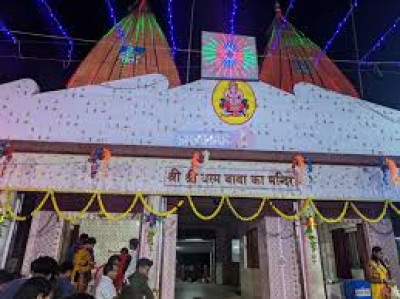
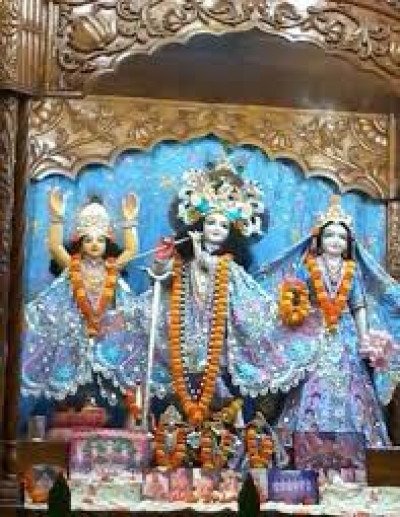
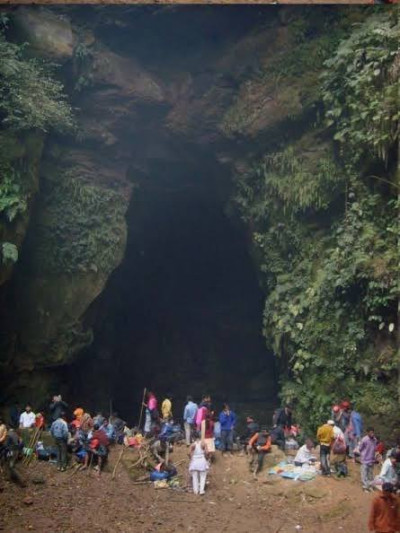
The tunnel itself is a narrow, dark and naturally formed or rock-cut passage. Its interior has a rugged appearance, and visitors generally explore only the accessible portion for safety. Religious carvings and representations associated with Hindu deities can be found in and around the site. Small shrines dedicated to Lord Krishna, Lord Rama, Lakshmana, Lord Hanuman and Garuda add to its spiritual importance.
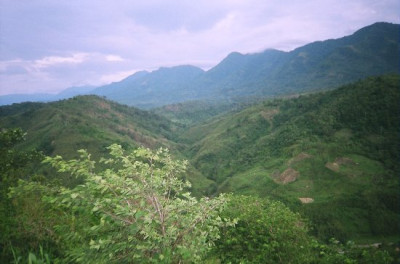
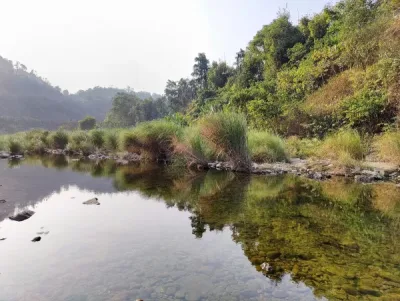
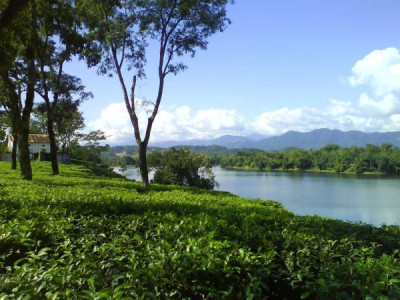
One of the distinctive features of Maniharan Tunnel is the presence of the Tribeni River or stream beneath the tunnel area. The surrounding hills, greenery and flowing water create a peaceful atmosphere that is quite different from the busy environment of Silchar town. The combination of the rocky passage, forested landscape and religious traditions gives the destination a distinctive character.
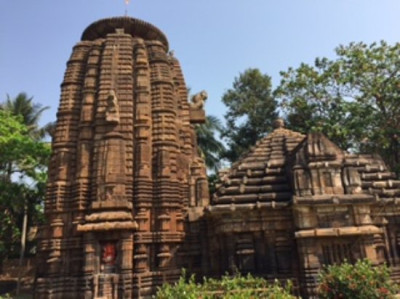
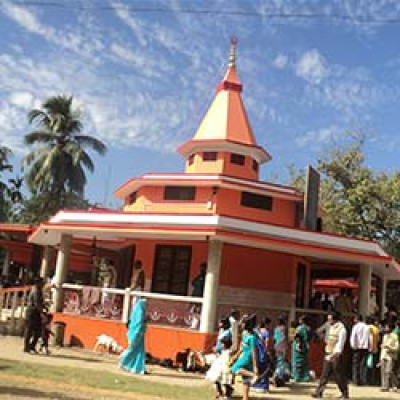
Maniharan Tunnel is also associated with the nearby Bhubaneswar Temple, an important Shiva temple located in the Bhuban Hills. Visitors interested in religious tourism can include both places in the same journey. The surrounding hill landscape also makes the trip attractive for travelers who enjoy nature, photography and exploring historical or culturally significant locations.
The site becomes particularly lively during Hindu festivals and religious occasions. Maha Shivaratri and Holi are among the important celebrations associated with the wider area, when devotees and visitors gather for worship and community activities. The atmosphere during festival periods can be considerably busier than on ordinary days.
For travelers visiting Maniharan Tunnel, it is advisable to maintain respect for the religious nature of the site. Visitors should avoid littering, loud behavior and damage to the rock surfaces or religious structures. Since the tunnel is dark and uneven, suitable footwear and caution are recommended. During or after heavy rain, visitors should also take extra care around slippery rocks and flowing water.
Maniharan Tunnel is situated around 50 km from Silchar according to the commonly cited travel information provided for the site. The journey from Silchar generally involves traveling toward the Bhuban Hills and then completing the final approach locally. A private taxi or hired car is a convenient option, particularly for families and groups. Shared local vehicles may also be available depending on the route and season. The final section may require a short walk, depending on the current road and access conditions.
The best time to visit Maniharan Tunnel is generally from October to March. The post-monsoon and winter months offer more comfortable weather for traveling through the hilly surroundings. Visitors planning to explore the area during the rainy season should check local conditions because heavy rainfall can make hill roads, paths and rocky areas difficult to navigate.
From Guwahati, travelers can reach Silchar by air, rail or road and continue toward the Bhuban Hills by local transport. Silchar is well connected with other parts of Assam and Northeast India. For a more comfortable trip, hiring a private vehicle from Silchar is recommended because it provides greater flexibility for visiting Maniharan Tunnel and nearby attractions.
Accommodation is more readily available in Silchar than immediately around the tunnel. Visitors can choose from hotels, lodges and guesthouses in Silchar and use the city as a base for a day trip. Booking accommodation in Silchar is generally more practical for travelers who also want to explore other attractions in the Barak Valley.
For current visitor information, road conditions, local access and any restrictions, visitors should check with the local tourism authorities, district administration or local temple/community representatives before traveling. Local guidance is especially useful during festivals or periods of heavy rainfall.
Maniharan Tunnel offers a different kind of travel experience in Assam. Rather than being a conventional sightseeing destination, it brings together mythology, religious traditions, natural surroundings and local history. For visitors exploring tourist places near Silchar, the tunnel provides an opportunity to experience one of the region's culturally distinctive destinations while enjoying the scenic landscape of the Bhuban Hills.
How to Reach Maniharan Tunnel?
By Air: The most convenient major airport for travelers coming from outside the Barak Valley is Silchar Airport, also known as Kumbhirgram Airport. From the airport, travelers can continue toward Silchar and then hire a local taxi or private vehicle for the journey to the Bhuban Hills area.
Travelers coming from Guwahati can also travel to Silchar by air, rail or road and continue by local transport toward Maniharan Tunnel.
By Train: Silchar Railway Station is the main railhead for travelers visiting the area. After reaching Silchar, visitors can hire a taxi or private car toward the Bhuban Hills and Maniharan Tunnel.
By Road from Guwahati: From Guwahati, travelers can travel toward Silchar by road and then continue to the Bhuban Hills. Because the destination is located in a hilly area away from the main city, a private car or hired taxi from Silchar is the most convenient option.
Local Transport: From Silchar, taxis and hired cars are practical options. The final approach to the tunnel may involve a short walk depending on the current road and local access conditions.
Where to Stay near Maniharan Tunnel?
There are limited accommodation options immediately around Maniharan Tunnel, so Silchar is the most convenient base for an overnight stay. The city offers hotels, lodges and guesthouses across different price ranges.
Travelers can stay in Silchar and make Maniharan Tunnel a day trip. This is also convenient for visitors planning to explore other attractions in Cachar district and the Barak Valley.
For accommodation information, it is advisable to check current hotel availability before travel, particularly during Maha Shivaratri, Holi and other major festival periods.
Best Time to Visit Maniharan Tunnel?
October to March is generally the most comfortable period to visit Maniharan Tunnel. The weather is comparatively pleasant, making it easier to travel through the hilly landscape and explore the surrounding area.
Maha Shivaratri and Holi can be interesting times for visitors who want to experience the religious and cultural atmosphere, although these periods can also be crowded.
Things to See and Do at Maniharan Tunnel
- Explore the accessible section of the ancient Maniharan Tunnel.
- Observe the religious carvings and shrines around the site.
- Learn about the local legends associated with Lord Krishna.
- Visit the nearby Bhubaneswar Temple.
- Enjoy the natural scenery of the Bhuban Hills.
- Observe the Tribeni River or stream near the tunnel.
- Take nature and landscape photographs.
- Experience local religious celebrations during major festivals.
- Explore other attractions around Silchar and the Barak Valley.
- Enjoy a peaceful day trip away from the busy city environment.
Visitor Guidelines
Visitors should treat Maniharan Tunnel as a religious and culturally significant place. The tunnel contains uneven and dark sections, so visitors should walk carefully and avoid entering areas that are restricted or considered unsafe.
During the monsoon, rocks and pathways may become slippery. Carrying suitable footwear, drinking water and basic travel essentials is recommended. Visitors should not litter, damage carvings or religious structures, disturb other pilgrims or leave plastic waste in the surrounding natural area.
Quick Info about Maniharan Tunnel
| Information | Details |
|---|---|
| Name | Maniharan Tunnel |
| Location | Near Bhuban Hills, Silchar, Assam |
| District | Cachar |
| Nearest Major City | Silchar |
| Approx. Distance from Silchar | About 50 km |
| Main Attraction | Ancient rock-cut tunnel and religious site |
| Religious Association | Lord Krishna and Hindu mythology |
| Nearby River | Tribeni River |
| Nearby Attraction | Bhubaneswar Temple |
| Best Time to Visit | October to March |
| Recommended Duration | Half day to full day |
| Entry Fee | No confirmed official fee in the supplied references |
| Suitable For | Pilgrims, families, history lovers, nature lovers and photographers |
FAQs about Maniharan Tunnel
1. Where is Maniharan Tunnel located?
Maniharan Tunnel is located near the Bhuban Hills in the Silchar area of Cachar district, Assam. It is commonly described as being around 50 km from Silchar city.
2. Why is Maniharan Tunnel famous?
Maniharan Tunnel is famous for its ancient rock-cut passage, religious importance and local Hindu legends connecting the site with Lord Krishna and the story of the Syamantaka Mani.
3. Is Maniharan Tunnel associated with Lord Krishna?
Yes. According to local Hindu belief and mythology, Lord Krishna used the tunnel during his journey through the region. This association is an important part of the site's religious significance.
4. What is the story behind the name Maniharan?
The name Maniharan is traditionally associated with the story of the Syamantaka Mani, a precious jewel mentioned in Hindu mythology. The connection between the legend and the physical site is preserved through local religious tradition.
5. What can visitors see at Maniharan Tunnel?
Visitors can explore the accessible part of the rocky tunnel and see religious shrines and carvings associated with Hindu deities. The surrounding Bhuban Hills and nearby watercourse also add to the attraction.
6. How far is Maniharan Tunnel from Silchar?
Maniharan Tunnel is generally described as being about 50 km from Silchar. The actual travel time can vary depending on road conditions, traffic and the final approach to the site.
7. How can I reach Maniharan Tunnel from Guwahati?
From Guwahati, travelers can first reach Silchar by air, train or road. From Silchar, a private taxi or hired car can be used to travel toward the Bhuban Hills and Maniharan Tunnel.
8. What is the best time to visit Maniharan Tunnel?
October to March is generally considered the most comfortable period to visit because of the pleasant weather. Visitors should take additional care during the rainy season because hill roads and rocky paths can become slippery.
9. Is Maniharan Tunnel suitable for a family trip?
Yes, families can visit the destination, particularly when the weather is favorable. However, children and elderly visitors should be supervised around the uneven rocky sections and dark tunnel areas.
10. Is there any temple near Maniharan Tunnel?
Yes. The Maniharan Tunnel area has small shrines associated with Hindu deities, and the famous Bhubaneswar Temple is located nearby in the Bhuban Hills. Visitors can include the temple in the same trip.
Note*: The mythology and historical associations above are presented as local religious traditions and beliefs where the supplied references do not establish them as independently verified historical facts.