Detailed Notes
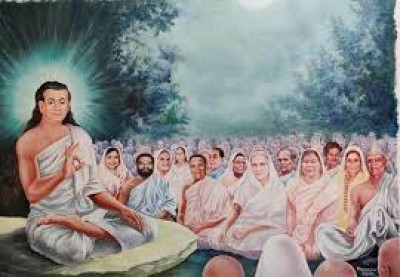
At the heart of Assamese Vaishnavite culture is the principle of Ekasarana, meaning “taking refuge in one deity”. Followers believe that salvation can be achieved through chanting, singing, listening to sacred scriptures, and living a life of purity, compassion, and equality. This simplified and accessible religious path attracted people from all castes, ethnicities, and even non-Hindu communities, making it one of the most inclusive cultural revolutions in Indian history.
Sattras: Monastic Centres of Culture & Spirituality
One of the most unique contributions of Neo-Vaishnavism is the establishment of Sattras, special monasteries founded by Sankaradeva and later expanded by his disciple Madhabdeva. Sattras serve as spiritual centres, cultural schools, art academies, and community institutions. They preserve traditional music, dance, literature, manuscripts, and religious practices. Different Sattras follow different lineages (sanghatis), but all uphold the ideals of devotion, simplicity, and discipline.
Namghars: The Heart of Community Life
Namghars, or community prayer halls, are an integral part of Assamese villages and towns. They represent unity, equality, and collective devotion. People gather in Namghars for Naam-Kirtan, festivals, dispute resolutions, and community decisions—making them both spiritual and social hubs.
Performing Arts: The Cultural Identity of Assam
Vaishnavite culture gifted Assam several classical and folk art forms, including:
-
Sattriya Dance – one of the eight classical dances of India
-
Borgeet – classical devotional songs composed by Sankaradeva and Madhabdeva
-
Ankia Naat & Bhaona – Vaishnavite theatre blending music, dance, dialogue, and drama
These art forms were not merely entertainment but tools to spread devotion and educate people on ethical and spiritual values.
Literature & Scriptures
The movement gave rise to a rich literary tradition with works such as:
-
Bhagavat (Assamese rendering of Bhagavata Purana)
-
Kirtan Ghoxa by Sankaradeva
-
Naam Ghoxa by Madhabdeva
These texts remain central to Assamese religious and cultural identity.
Social Reform & Egalitarian Vision
Sankaradeva strongly opposed caste discrimination, idol worship, and animal sacrifice. He promoted a society based on:
-
equality
-
simplicity
-
devotion
-
moral conduct
-
universal brotherhood
This reformist movement significantly shaped Assam’s modern socio-cultural foundation.
Festivals & Celebrations
Festivals like Doul Utsav (Holi), Janmashtami, and Raas Leela are celebrated with extraordinary devotion in Sattras and Namghars. These festivals include music, dance, colours, and spiritual gatherings that attract thousands of devotees and tourists.
Cultural Legacy Today
The Vaishnavite culture of Assam continues to influence the region’s values, art, social systems, and identity. It remains a symbol of Assamese pride, spiritual unity, and cultural refinement - carried forward by monks, Sattras, cultural organisations, and local communities.
Quick Info Table on Vaishnavism in Assam
| Topic | Details |
|---|---|
| Origin | 15th–16th century Assam by Srimanta Sankaradeva |
| Faith Name | Ekasarana Dharma / Neo-Vaishnavism |
| Central Deity | Lord Krishna (Vishnu) |
| Key Institutions | Sattras (monasteries), Namghars (prayer halls) |
| Core Practice | Bhakti through Naam-Kirtan, chanting, and community worship |
| Key Literature | Kirtan Ghoxa, Naam Ghoxa, Bhagavat of Sankaradeva |
| Major Arts | Sattriya Dance, Borgeet, Ankia Naat, Bhaona |
| Social Impact | Promoted equality, abolished caste barriers |
| Major Festivals | Doul Utsav, Janmashtami, Raas Leela |
| Cultural Significance | Foundation of Assamese identity & cultural heritage |
FAQs on Vaishnavism in Assam
1. What is Vaishnavite culture in Assam?
Vaishnavite culture in Assam refers to the Neo-Vaishnavite movement started by Srimanta Sankaradeva emphasizing devotion, equality, and community worship.
2. Who founded Neo-Vaishnavism in Assam?
The movement was founded by the 15th-century saint-reformer Srimanta Sankaradeva, later strengthened by his disciple Madhabdeva.
3. What is Ekasarana Dharma?
Ekasarana Dharma is a Vaishnavite faith that promotes devotion to one deity—Krishna—through chanting, singing, and simple spiritual practices.
4. What are Sattras in Assam?
Sattras are monastic institutions that serve as centres for worship, arts, education, and cultural preservation under the Neo-Vaishnavite tradition.
5. What is the role of Namghars?
Namghars are community prayer halls used for worship, festivals, meetings, and decision-making, symbolizing unity and equality.
6. What art forms originated from Vaishnavite culture?
Major art forms include Sattriya Dance, Borgeet, Ankia Naat, and Bhaona.
7. Why is Vaishnavism important in Assamese society?
It shaped Assam’s social reform, literature, community life, and cultural identity.
8. Does Vaishnavite culture reject caste?
Yes, Neo-Vaishnavism promotes an egalitarian society, rejecting caste discrimination and ritualistic practices.
9. What are the major festivals celebrated in Sattras?
Doul Utsav, Janmashtami, Raas Leela, and other Krishna-centric festivals.
10. How is Vaishnavite culture preserved today?
Through Sattras, Namghars, cultural institutions, classical dance and music schools, and community festivals.