Detailed Notes
What is Khar?
Khar refers to a category of Assamese dishes prepared with a key ingredient—alkaline water called 'khar water.' This water is extracted by soaking ashes in water and straining it to obtain a mild alkaline solution, which is then used to cook vegetables or pulses. The alkalinity gives the dish a distinctive flavor and is believed to aid digestion.
Health Benefits of Khar
-
Aids Digestion: The alkaline nature helps neutralize acidity and improves digestion.
-
Rich in Nutrients: Made with fresh vegetables and pulses, providing vitamins and minerals.
-
Low in Fat: Typically cooked with minimal oil, making it a healthy choice.
-
Detoxifying Properties: Thought to cleanse the body by balancing pH levels.
How to Make Authentic Assamese Khar – Traditional Recipe
Ingredients:
-
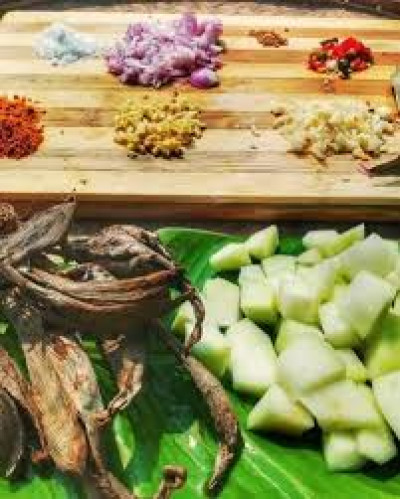
1 cup raw papaya (peeled and chopped)
-
1 tablespoon khar water (alkaline water from banana stem ash)
-
1-2 dried red chilies
-
2 tablespoons mustard oil
-
Salt to taste
-
Water as needed
Method:
-
Heat mustard oil in a pan and sauté dried red chilies until fragrant.
-
Add chopped raw papaya and sauté for 2-3 minutes.
-
Pour in water to cover the papaya, bring to a boil.
-
Add khar water and salt, simmer on low heat until papaya is cooked tender.
-
Serve hot with steamed rice as part of a traditional Assamese meal.
Variations of Khar
-
Khar with pulses like yellow lentils or chickpeas.
-
Vegetable Khar combining seasonal greens and vegetables.
-
Fish Khar for a non-vegetarian twist.
Khar is more than just a dish; it is a cultural symbol representing the simplicity and natural flavors of Assamese cuisine, celebrated for its taste and health benefits.