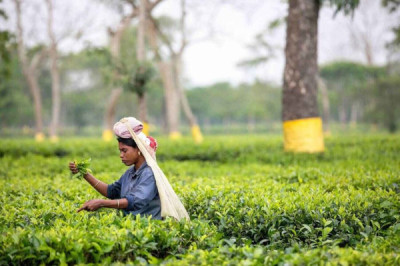
Detailed Notes
The oldest tea gardens of Assam are primarily located in Upper Assam, especially around Dibrugarh, Tinsukia, Jorhat, and Golaghat districts. These regions witnessed the earliest experiments, commercial plantations, and expansion of tea cultivation during the nineteenth century.
Origins of Tea Cultivation in Assam
Tea cultivation in Assam started after the discovery of indigenous tea plants in the Brahmaputra valley. Early Assamese pioneers and later British planters transformed dense forests into thriving tea estates. Many of these gardens continue to function today, preserving heritage while adopting modern practices.
List of 10 Oldest Tea Gardens in Assam
-
Cinnamara Tea EstateWidely regarded as Assam's first tea garden, Cinnamara was established in the mid-nineteenth century. It holds immense historical value and represents the earliest organized tea plantation in the region.
-
Chabua Tea EstateOne of the earliest commercial tea gardens in Upper Assam, Chabua played a crucial role in the beginning of British-managed tea cultivation.
-
Dhoolie Tea EstateLocated in Upper Assam, Dhoolie Tea Estate is known for its long-standing legacy and contribution to Assam's strong, malty tea profile.
-
Margherita Tea EstateThis estate is closely associated with the expansion of tea cultivation in eastern Assam and continues to reflect the region's industrial heritage.
-
Halmari Tea EstateFamous for producing high-quality teas, Halmari has a rich history rooted in traditional cultivation methods and innovation.
-
Mokalbari Tea EstateMokalbari stands as a bridge between Assam's tea heritage and its modern global reputation for premium teas.
-
Nahorhabi Tea EstateSituated in the Lakwa area, this estate is among the oldest surviving tea gardens and reflects early plantation development.
-
Kaziranga Tea EstateLocated near the famous national park, this garden uniquely blends tea cultivation with natural biodiversity.
-
Monabarie Tea EstateKnown as one of the largest tea estates in Asia, Monabarie represents the scale and maturity of Assam's tea industry.
-
Hathikuli Tea EstateAnother historic garden near Kaziranga, Hathikuli is known for its distinctive character and sustainable tea practices.
Why These Tea Gardens Matter?
These historic tea estates are not just agricultural units but living museums of Assam's colonial and indigenous history. They contributed to employment, trade, and the global recognition of Assam tea. Their continued operation highlights the resilience and adaptability of the tea industry.
Key Highlights
-
Assam is the birthplace of indigenous Indian tea
-
Most oldest tea gardens are located in Upper Assam
-
These estates shaped India's commercial tea industry
-
Many gardens still produce premium Assam tea
-
Tea heritage remains central to Assam's economy and identity