Detailed Notes
Another historically significant tea garden is the Cinnamara Tea Estate, founded in 1850 by Assamese nobleman Maniram Dewan. It is celebrated as the first native-owned tea garden in Assam, playing a crucial role in promoting indigenous participation in the tea industry.
The organized commercial production of tea in Assam began with the formation of the Assam Tea Company in 1840, which helped expand plantations across Upper Assam and laid the foundation of India's tea economy.
The discovery of wild tea plants in Assam is credited to Robert Bruce in 1823, an event that led to scientific exploration and commercial plantation development in the region.
Another major landmark in Assam's tea history is the Tocklai Tea Research Centre, known as the world's oldest and largest tea experimental station, which continues to contribute significantly to tea research and innovation.
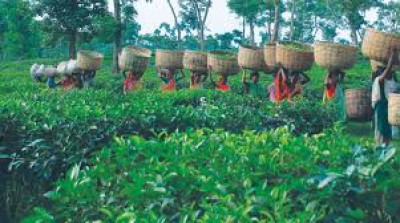
Together, these milestones establish Assam as the birthplace of India's tea industry, with Chabua Tea Estate standing as the oldest tea garden in the state.
B. Main Content Highlights
-
Oldest tea garden of Assam: Chabua Tea Estate (1837)
-
First native tea garden: Cinnamara Tea Estate (1850)
-
Commercial tea production began: 1840 by Assam Tea Company
-
Discovery of wild tea plants: Robert Bruce in 1823
-
Major research institution: Tocklai Tea Research Centre