Detailed Notes
Migratory Birds in Assam: Best Species to See, When to Visit, and Top Birdwatching Locations
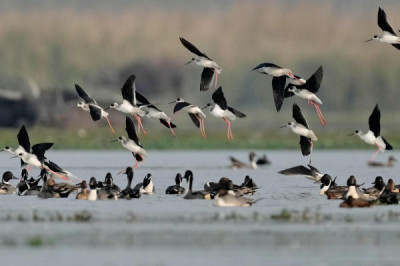
From late October to March, wetlands, riverbanks, floodplains, and grasslands across the state transform into thriving bird habitats. Famous locations such as Kaziranga National Park, Pobitora Wildlife Sanctuary, Deepor Beel, Maguri Beel, Dibru-Saikhowa National Park, and the Brahmaputra riverbanks attract birdwatchers, photographers, researchers, and nature lovers from across the world.
These migratory birds arrive to escape harsh northern winters and depend on Assam's rich wetlands, reservoirs, and river ecosystems for feeding and breeding grounds. Many of these areas fall under the Central Asian Flyway, making Assam a crucial stopover and wintering zone for both common and rare bird species.
Best Time to See Migratory Birds in Assam
The peak birdwatching season in Assam runs from November to February, although arrivals begin in the last week of October and some species stay until early April.
-
October to November: Early arrivals including ducks, geese, and raptors
-
December to January: Maximum diversity and bird density
-
February to March: Late migrants preparing to return north
Early mornings and late afternoons are the best times for sightings, especially near wetlands, riverbeds, reservoirs, and marshlands.
Top Places to See Migratory Birds in Assam
Kaziranga National Park: Famous for its grasslands and wetlands, Kaziranga attracts large flocks of ducks, geese, cranes, pelicans, and storks, especially in zones like Agoratoli and Bagori.
Pobitora Wildlife Sanctuary: Known for massive winter gatherings of migratory water birds, making it one of Assam's most productive birdwatching destinations.
Deepor Beel Wildlife Sanctuary (Ramsar Site): Located near Guwahati, Deepor Beel is vital for ducks, storks, geese, and pelicans during winter.
Maguri-Motapung Beel & Dibru-Saikhowa National Park: These wetlands and grasslands near the Brahmaputra river host a wide range of waterfowl and riverine bird species.
Majuli Island & Brahmaputra Riverbanks: Seasonal floodplains attract ducks, geese, waders, and migratory passerines.
Umrangso Reservoirs (Dima Hasao): Known for hosting migratory birds in freshwater reservoirs and surrounding forests.
Karbi Anglong & Dima Hasao Hills: Famous for large roosting flocks of Amur Falcons during autumn migration.
15 Migratory Birds Found in Assam
-
Siberian Crane : These majestic long-distance migrants arrive in Assam during winter, especially in wetlands of Kaziranga National Park and Dibru-Saikhowa National Park. Their presence highlights Assam's importance along global migratory routes.

-
Greater Adjutant Stork : One of the rarest stork species in the world, these birds migrate seasonally and are best seen in Deepor Beel Wildlife Sanctuary and surrounding wetlands.

-
Bar-headed Goose : Famous for flying over the Himalayas, these geese arrive in Assam during winter and gather in wetlands, riverbanks, and grasslands across Kaziranga and Maguri Beel.

-
Ferruginous Duck : These globally threatened ducks migrate to Assam's lakes and marshes during winter, preferring calm freshwater wetlands rich in aquatic vegetation.

-
Common Teal : Among the smallest migratory ducks, Common Teals arrive in large numbers and can be spotted across wetlands, reservoirs, and riverbanks throughout Assam.

-
Northern Pintail : A graceful long-necked duck species commonly seen during winter in Deepor Beel, Kaziranga, and other water bodies across the Brahmaputra floodplains.

-
Amur Falcon : These small migratory raptors undertake a 22,000 km journey from Siberia to southern Africa and visit Assam between October and December. Large roosting flocks are seen in the bamboo groves of Dima Hasao and Karbi Anglong districts.

-
Ruddy Shelduck (Brahminy Duck) : Arriving from Central Asia and Europe, these brightly colored ducks inhabit rivers, wetlands, and floodplains such as the Brahmaputra riverbanks, Kaziranga, and Orang National Park from autumn to spring.

-
Bluethroat : These small but striking migratory birds with vibrant blue and red throats arrive in Assam during winter, preferring bushy wetlands and marsh edges along the Brahmaputra route.

-
Greylag Goose : A regular winter visitor, Greylag Geese roost in flooded fields, marshes, and wetlands around Kaziranga, Urpad Beel, and Jorhat, often alongside Bar-headed Geese.

-
Lesser White-fronted Goose : These rare and sporadic winter migrants visit Assam's wetlands and protected areas such as Kaziranga, making their sightings especially valuable to birdwatchers and researchers.

-
Falcated Duck : Migrating from Siberia and Mongolia, Falcated Ducks arrive between November and April and prefer wetlands like Maguri Beel and riverbeds across eastern Assam.

-
Smew (Rare Sighting) : This small diving duck has been recorded in Roumari-Donduwa areas under Laokhowa Wildlife Sanctuary and Kaziranga National Park, highlighting Assam's role as a refuge for rare winter visitors.

-
Pied Avocet : These distinctive black-and-white waders with upcurved bills arrive from Asia and Europe between August and October and remain through winter in shallow wetlands, marshes, and floodplains, especially around Kaziranga.

-
Common Pochard : These wintering diving ducks inhabit wetlands such as Panidihing Wildlife Sanctuary and Brahmaputra floodplains from late autumn to spring, easily recognized by the male's reddish-brown head.

Why Assam Is Important for Migratory Birds
Assam lies on the Central Asian Flyway, one of the world's major bird migration routes. Its vast wetlands, seasonal floodplains, river systems, and protected grasslands offer abundant food, safe roosting areas, and breeding habitats. The region supports both globally threatened species and massive congregations of waterfowl, making it one of India's top birding destinations.
Birdwatching Tips in Assam
-
Visit wetlands and riverbanks early morning or late afternoon
-
Carry binoculars and bird identification guides
-
Wear neutral-colored clothing and maintain silence
-
Choose winter months for maximum species diversity
-
Explore Ramsar sites and protected sanctuaries for best sightings