Detailed Notes
Complete History of Bisa Nong Singpho
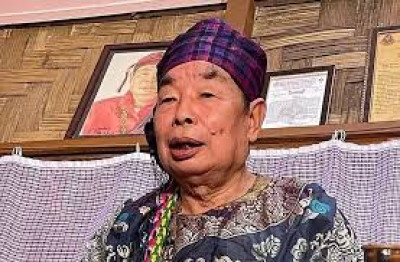
Bisa Nong Singpho was not only recognized as a symbolic monarch but also as a guardian of Singpho traditions, customs, and social values. He devoted his life to preserving tribal identity while promoting unity among diverse ethnic communities in Northeast India. His leadership style was rooted in Rajdharma, meaning just, equal, and compassionate governance, which earned him widespread respect across Assam and neighboring regions.
Early Life and Lineage
Bisa Nong Singpho belonged to a prominent Singpho royal lineage that historically played an important role in the socio-political development of Upper Assam. He was a descendant of traditional Singpho chiefs who had early interactions with the British during the colonial period and were associated with the introduction of tea cultivation in Assam, which later became one of the region's most important industries.
He was also connected through ancestry to early freedom fighters such as Bisa Bom Singpho, further strengthening his historical significance. Raised within the traditional customs of the Singpho people, Bisa Nong Singpho inherited not only leadership responsibilities but also the obligation to protect cultural heritage and community harmony.
Role as the King and Chief of the Singpho Tribe
Bisa Nong Singpho served as the traditional King and Chief of the Singpho community, headquartered at Bisa Gaon in Ledo, under the Margherita subdivision of Tinsukia district, Assam. His authority extended socially and culturally across Singpho settlements in Assam and Arunachal Pradesh.
Rather than exercising political power, his role focused on:
-
Preserving customary laws and rituals
-
Promoting peace and unity among ethnic groups
-
Representing Singpho traditions in public and cultural forums
-
Acting as a moral and social guide for the community
He was widely admired for maintaining traditional royal customs while remaining humble and approachable. Community leaders, scholars, and social workers described him as a ruler who valued equality across caste, creed, language, and religion, making him a rare example of inclusive indigenous leadership in modern India.
Cultural Contributions and Leadership Legacy
One of Bisa Nong Singpho's most significant contributions was his role as the first President of the Shapawng Yawng Manau Poi, the most important cultural festival of the Singpho tribe. Through this platform, he worked to revive traditional music, dance, attire, and oral heritage, ensuring that younger generations remained connected to their roots.
He was widely acknowledged as a protector of Singpho literature and customs, encouraging documentation of tribal traditions and supporting cultural organizations. His leadership emphasized:
-
Social harmony
-
Inter-community cooperation
-
Preservation of indigenous identity
-
Ethical leadership through Rajdharma
According to social observers and journalists, his simple speech, humble lifestyle, and unwavering dedication to community welfare made him a symbol of unity in Upper Assam. He remained rooted in tradition while carefully guiding his people through changing times without allowing modern pressures to dilute their cultural heritage.
Reputation Beyond the Singpho Community
Bisa Nong Singpho was not only respected among the Singpho people but also admired throughout Upper Assam and Arunachal Pradesh. Tea planters, intellectuals, journalists, and social activists frequently acknowledged his efforts in bridging ethnic divides and promoting peaceful coexistence.
Noted social workers described him as a leader who believed that a king's true religion lies in treating all subjects equally, regardless of background. Journalists and literary figures highlighted his commitment to simplicity, tradition, and moral integrity, calling him a role model for future generations.
Because of his inclusive worldview, he became a respected figure even beyond tribal boundaries, earning recognition as one of Assam's most culturally significant traditional leaders of the modern era.
Death and State Honors
Bisa Nong Singpho passed away on January 15, 2025, at the age of 76, at his residence in Bisa Gaon, Ledo, after a prolonged illness related to old age. His death sent shockwaves across Upper Assam and Arunachal Pradesh, as people from diverse communities mourned the loss of a leader who stood for unity, tradition, and peace.
In recognition of his contributions to society and cultural heritage, the Government of Assam accorded him state honors during his last rites. This rare gesture highlighted his importance not just as a tribal king but as a cultural icon of the region.
End of an Era: The Last Singpho King
With his passing, Bisa Nong Singpho came to be remembered as the last traditional king of the Singpho tribe in Assam. While the Singpho community continues to follow hereditary customs, his death symbolized the conclusion of an era where tribal kingship held a central role in community governance and cultural identity.
His leadership was not based on authority but on trust, respect, and moral responsibility. This made him one of the most admired indigenous leaders in Northeast India and secured his legacy as a protector of tradition during times of social change.
Succession: The Coronation of Bisa Gam Singpho
Following tradition, Bisa Gam Singpho, the son of Bisa Nong Singpho, was ceremonially crowned as the new Singpho king in March 2025. The coronation ceremony took place at Bisa village in Ledo, a heritage settlement in the Margherita subdivision of Tinsukia district, Assam.
This historic event marked the continuation of Singpho customs while honoring the legacy of his father. Although Bisa Nong Singpho is remembered as the last traditional king in the classical sense, the community continues to preserve its royal customs and leadership structure through ceremonial succession.
Historical Significance of Bisa Nong Singpho
Bisa Nong Singpho's importance extends beyond personal leadership. His life represents:
-
The survival of indigenous kingship traditions in modern India
-
The role of tribal leaders in preserving culture without political power
-
The importance of unity and harmony in multi-ethnic societies
-
The historical continuity of Singpho contributions to Assam, including early tea cultivation and resistance to colonial domination
His story forms an essential chapter in the broader narrative of Assam's tribal heritage and indigenous governance systems.
Main Highlights
-
Name: Bisa Nong Singpho (Duwa Bisa Lat Nong)
-
Title: King and Chief of the Singpho tribe
-
Residence: Bisa Gaon, Ledo, Margherita, Tinsukia district, Assam
-
Age at death: 76
-
Date of death: January 15, 2025
-
Legacy: Cultural preservation, unity, Rajdharma leadership
-
Honor: State honors at cremation
-
Successor: Bisa Gam Singpho (son), crowned March 2025
-
Historical identity: Last traditional Singpho king in Assam