History & Traditions
The festival serves as a vibrant platform where tradition meets youth energy. It reflects the deep-rooted cultural identity of the Mising people while encouraging younger generations to stay connected with their ancestral customs, values, and artistic expressions. Over the years, the Mising Youth Festival has emerged as a symbol of cultural pride, unity, and collective aspiration.
Cultural Importance of the Festival
The Mising community is known for its colorful handloom traditions, rich oral folklore, and strong communal lifestyle. Their festivals are deeply connected with nature, agriculture, and seasonal cycles. Events such as Ali-Aye-Ligang, Dobur, and Porag highlight their agrarian roots and spiritual connection with the land.
The Mising Youth Festival complements these traditional celebrations by creating a modern cultural space where heritage is showcased in an organized and inclusive manner. Traditional dances like Gumrag, folk music performances, ritual chants, and indigenous storytelling form the core of the festival's cultural programs. These performances not only entertain but also act as living records of the community's historical and spiritual narratives.
Role of Youth and Community Institutions
A key objective of the Mising Youth Festival is youth empowerment. The festival encourages young members of the community to take pride in their identity and actively participate in cultural preservation. It provides opportunities for youth leaders, artists, performers, and volunteers to develop leadership skills, organizational experience, and cultural awareness.
Traditional institutions such as the Murong Okum play a vital role during the festival. These institutions help transmit indigenous knowledge, cultural discipline, and social values across generations. The festival thus becomes a bridge between elders and youth, ensuring continuity of traditions in a rapidly modernizing society.
Inclusiveness and Regional Harmony
One of the defining features of the Mising Youth Festival is its inclusive nature. Cultural troupes, artisans, and representatives from various tribes and communities across Northeast India participate in the event. This diversity transforms the festival into a platform for regional harmony and intercultural dialogue.
By welcoming different ethnic groups, the festival strengthens bonds among communities and promotes mutual respect. It highlights the shared cultural threads of the Northeast while celebrating individual identities, making it a powerful tool for cultural diplomacy and unity.
Handloom, Handicrafts, and Endangered Art Forms
The festival places strong emphasis on preserving endangered art forms and traditional craftsmanship. Exhibitions showcasing handloom products, bamboo crafts, traditional attire, and indigenous tools are a major attraction. These displays not only support local artisans but also raise awareness about sustainable livelihoods rooted in traditional skills.
Live demonstrations allow visitors to understand the intricate processes behind Mising weaving and craftsmanship. This interaction fosters appreciation for indigenous knowledge systems and encourages their continued practice among younger generations.
National Recognition and Growth
Over the years, the Mising Youth Festival has gained recognition at state and national levels. The participation of prominent leaders, including the Chief Minister of Assam and Union-level dignitaries, has brought greater visibility to the festival. Government support has helped secure a permanent venue at Kareng Chapori near Bogibeel Bridge, providing stability and infrastructure for future celebrations.
Such recognition reflects the festival's growing role in representing indigenous culture on a national platform while reinforcing its grassroots foundation.
Recent Developments and 2026 Festival Highlights
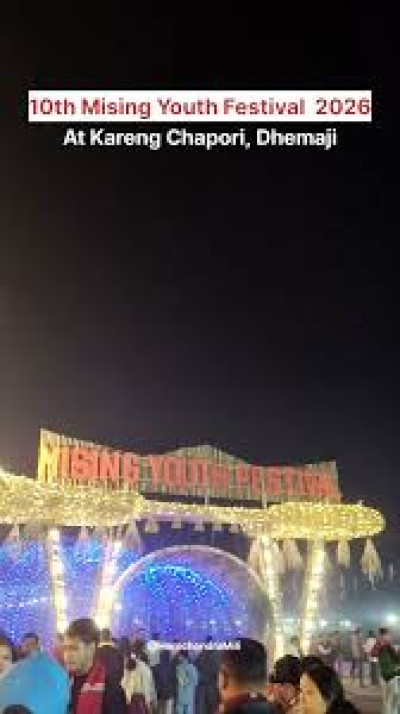
The 10th Mising Youth Festival held in January 2026 at Kareng Chapori, near Bogibeel Bridge in Dhemaji district, marked a major milestone. The multi-day event attracted massive crowds and featured cultural exhibitions, youth activities, and live musical performances. The presence of Union Home Minister Amit Shah and Assam Chief Minister Himanta Biswa Sarma highlighted the festival's national importance.
Dates for the 10th edition were from 26th to 30th January 2026. The official website for festival information is https://myf.org.in/ and the organizing committee provided a contact number: +91 7896294069.
The event also sparked discussions around event management standards after a noted performance cancellation, underlining the growing scale of the festival and the need for professional coordination as it expands.
Significance in Today's Context
In a rapidly changing world, the Mising Youth Festival stands as a beacon of cultural resilience. It reinforces the values of unity, courage, fraternity, and social responsibility among youth. By blending tradition with contemporary aspirations, the festival inspires young people to contribute meaningfully to community development and nation-building.
With preparations already underway for future editions, the festival continues to evolve while remaining rooted in its core mission: preserving cultural identity, empowering youth, and promoting harmony across communities.