History & Traditions
The Sogra Festival is usually celebrated between March and April, during the spring season. This period is agriculturally important because it signals the preparation of paddy fields for the upcoming cultivation cycle. According to Tiwa tradition, no major farming activity should begin before the completion of the Sogra rituals. The festival therefore acts as a sacred pause, allowing the community to seek divine blessings for fertility of land, protection from diseases, and overall well-being.
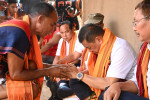
At the heart of the Sogra Festival is the sacred ritual called Mindai Lekhewa. This ceremony is performed by the village priest, known as the Loro. The Loro plays a central role in Tiwa society, acting as both spiritual leader and custodian of tradition. During the Mindai Lekhewa ritual, the Loro recites the names of deities, ancestors, and important events from the community's past. The chanting may continue for several hours, often taking place at night at the Loro's residence. The ritual is attended by village elders, youth groups, and other respected members of the community. This ceremonial recitation strengthens the spiritual connection between the Tiwa people and their ancestral heritage.
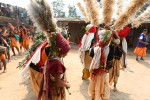
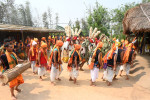
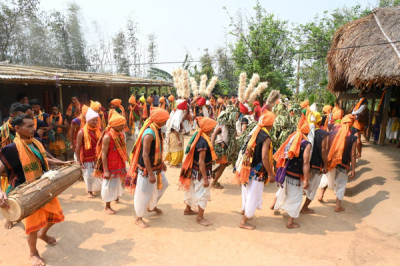
One of the most striking features of the Sogra Festival is its traditional music and dance. Young men of the village, often organized in cultural groups, rehearse for weeks in advance. They perform synchronized dances accompanied by traditional drums and bamboo instruments. The rhythmic beats of the khram drum create an energetic atmosphere, while the dancers move in coordinated formations that symbolize agricultural activities such as sowing and harvesting. The dances are not merely entertainment; they represent gratitude to nature and devotion to the deities who safeguard the crops.
The attire worn during the Sogra Festival highlights the Tiwa community's rich textile tradition. Men wear traditional dhotis along with decorative jackets and headgear made from bamboo and natural materials. Women, although not participating in certain ritual dances, contribute significantly by weaving traditional garments and preparing ceremonial food. Their clothing, made from cotton and silk, reflects both cultural identity and artistic skill.
Food plays a crucial role in the celebration. The festival includes communal feasting, which strengthens social bonds among villagers. Sticky rice, boiled vegetables, dried fish, and locally brewed rice beer are prepared using traditional methods. These simple yet meaningful dishes symbolize the agricultural lifestyle of the Tiwa people. Rice beer, in particular, is considered sacred and is offered to the deities before being shared among community members.
Several legends explain the origin of the Sogra Festival. One popular version speaks of an orphan boy named Majibor Sagra who discovered unusual white flowers in the hills. The villagers considered the flowers a divine gift and began celebrating the event as a religious festival. Another legend recounts a story of heavenly flowers falling from the sky during a meeting of gods. The joy of children dancing with those flowers inspired the gods to establish a celebration. Regardless of the version, both stories emphasize themes of divine blessing, innocence, and communal joy.
The geographical setting of the Sogra Festival also shapes its character. In the hilly regions of West Karbi Anglong, the Tiwa community maintains strong traditional structures such as the youth dormitory system. These institutions help preserve cultural practices by training younger generations in music, dance, and ritual discipline. In plains areas, certain aspects of the festival have adapted to modern influences, but the core agricultural and spiritual elements remain intact.
Historically, the Tiwa people have experienced political and social changes that influenced their cultural practices. Despite these changes, the Sogra Festival has survived as a powerful symbol of ethnic identity. In recent decades, community organizations and cultural groups have taken active steps to promote the festival beyond village boundaries. Public celebrations, cultural exhibitions, and documentation through digital media have helped introduce Sogra to a wider audience while preserving its authenticity.
The festival also reflects ecological awareness. Many of its rituals emphasize respect for nature, including forests, hills, rivers, and farmland. The Tiwa worldview recognizes the interconnectedness of humans and the environment. By invoking blessings before cultivation begins, the community acknowledges its dependence on natural cycles. This sustainable approach to agriculture aligns with modern discussions about environmental conservation.
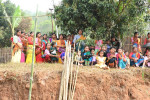
Social harmony is another important dimension of the Sogra Festival. The celebration brings together elders, youth, and families in collective participation. Preparations involve cooperation in gathering materials, cooking food, and organizing performances. Disputes within the village are often set aside during the festival period, reinforcing unity and shared identity.
In contemporary times, the Sogra Festival continues to evolve. While traditional rituals remain central, modern platforms such as cultural festivals and online media have increased visibility. Youth participation through organized performances ensures continuity of heritage. At the same time, efforts are being made to balance modernization with preservation of sacred customs.
The Sogra Festival of Assam stands as a vibrant representation of the Tiwa tribe's agricultural wisdom, spiritual devotion, and communal strength. It is more than a seasonal celebration; it is a living expression of identity and resilience. As Assam's diverse cultural landscape gains national and global attention, the Sogra Festival remains an important example of how indigenous traditions continue to thrive in harmony with both history and modernity.
FAQs on Sogra Festival of Assam