History & Traditions
Unlike festivals that focus mainly on public celebrations or seasonal festivities, Mathani Utsav centres on traditional ritual performances inspired by Hindu mythology. Through symbolic churning ceremonies, devotional songs, music and dramatic presentations, the festival preserves cultural practices passed down through generations. It is an important expression of the religious heritage and folk identity of the Darrang region.
History and Origin of Mathani Utsav
The history of Mathani Utsav is closely connected with Devananda Satra, a historic Vaishnavite religious institution in Darrang. Accounts associated with the Satra trace its establishment to Ramananda Brahmachari, who is said to have established it around 1625 CE under the guidance of Sri Sri Damodaradeva, an important figure in the Vaishnavite tradition of Assam.
The spread of Neo-Vaishnavite teachings contributed significantly to the development of religious institutions, devotional music and community-based cultural practices across Assam. Satras became centres for spiritual learning, worship, artistic expression and the preservation of traditional performances. Devananda Satra continues to be associated with this heritage, and Mathani Utsav forms a distinctive part of its annual religious calendar.
Local accounts describe the festival as a tradition that has continued for more than four centuries. Some descriptions suggest an even longer period of observance, although exact historical dates may vary across sources. The festival's continuing importance lies not only in its age but also in its role in maintaining the cultural traditions of Darrang.
Meaning of the Name Mathani or Matheni
The word Mathani is associated with the Sanskrit term "Manthana", meaning churning. This meaning reflects the central ritual and mythological themes of the festival. In the local Darrangi dialect, the name is also pronounced as Matheni.
Churning is an important symbol in Hindu mythology. It represents the transformation of ordinary substances into something valuable and is associated with stories involving the preparation of butter and the search for divine nectar. Mathani Utsav brings these ideas into a local cultural setting through ceremonial objects, traditional performances and collective participation.
The festival is especially known for presenting two mythological episodes: Dadhimanthan, the churning of curd, and Samudra Manthan, the churning of the cosmic ocean. Both performances connect religious storytelling with local folk arts and community traditions.
When Is Mathani Utsav Celebrated?
Mathani Utsav is traditionally observed around the transition from Ahin to Kati in the Assamese calendar, often coinciding with the period of Kati Bihu and Kati Sankranti. These dates generally fall in October, although the precise observance can vary according to the local religious calendar and annual arrangements.
The timing gives the festival a close connection with the seasonal life of rural Assam. The period is associated with agricultural activity and the changing stages of the paddy-growing cycle. Local accounts also connect the celebration with the period after the harvest of early paddy and before the main winter crop is brought home.
Visitors planning to attend should confirm the current year's dates with Devananda Satra or local organisers before travelling. The Assamese calendar does not correspond exactly to the Gregorian calendar, so the festival date should not be assumed to remain the same every year.
Main Rituals and Mythological Performances
The most distinctive feature of Mathani Utsav is its traditional presentation of mythological stories through symbolic rituals and dramatic performances. The observance is commonly described as featuring two major episodes across the festival period.
1. Dadhimanthan: The Churning of Curd
Dadhimanthan is associated with the childhood stories of Lord Krishna. The performance depicts Yashoda, Krishna's mother, and other women engaged in churning curd to prepare butter. The episode reflects the familiar image of Krishna's childhood, when butter and dairy products play an important role in stories about his life in Gokul.
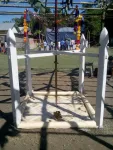
For the ritual, a large vessel and a traditional churning arrangement may be prepared in the courtyard associated with the celebration. A long churning stick, known as the Mathani danda, forms an important symbolic element. Colourful cloth and ceremonial ingredients may also be used as part of the traditional setup.
Accounts of the ritual describe the participation of women from local Gosai families and other devotees in preparatory activities. These can include bringing water in ceremonial pitchers, preparing ritual materials and participating in devotional observances. The ceremony is accompanied by a religious atmosphere that connects domestic traditions involving dairy products with the sacred narratives of Krishna.
Dadhimanthan is more than a representation of a household activity. It brings together devotion, folk expression and the community's understanding of Krishna's childhood stories.
2. Samudra Manthan: The Churning of the Cosmic Ocean
The second major performance is Samudra Manthan, the mythological story of the churning of the cosmic ocean by the Devas and Asuras. The episode is widely known in Hindu religious literature, including the Bhagavata tradition, and describes the search for Amrita, the nectar associated with immortality.
According to the story, Mount Mandara serves as the churning rod, while the serpent Vasuki acts as the rope used by the opposing groups to churn the ocean. Their combined efforts lead to the emergence of various divine and extraordinary objects, including Amrita.
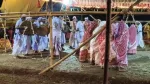
During Mathani Utsav, this story is brought to life through a symbolic performance involving traditional props, costumes and dramatic movement. Representations of the ocean, Mount Mandara and Vasuki help communicate the story to spectators. Performers portraying the Devas and Asuras recreate the struggle and cooperation central to the legend.
The enactment offers visitors an opportunity to experience Hindu mythology through a local folk performance rather than through written stories alone. It also demonstrates how religious narratives become part of a community's shared cultural memory.
Traditional Music, Dance and Folk Arts
Mathani Utsav is not limited to its central churning rituals. Devotional music, dramatic presentations and traditional performing arts contribute to the overall character of the event. Gayan-Bayan, a form of devotional performance associated with Assamese Vaishnavite traditions, may feature singers and musicians using traditional instruments and rhythmic accompaniment.
Naam-prasanga, involving collective devotional singing and the recitation of religious themes, is also associated with the wider cultural environment of Satra celebrations. Local performers, devotees, Ayatis and other community participants help maintain the religious and artistic character of the occasion.
These traditions allow the festival to serve two purposes. It remains a religious observance for devotees while also providing a setting in which local artistic skills and folk practices can be shared with younger generations. Through participation and observation, visitors can gain a better understanding of the relationship between faith, performance and Assamese cultural identity.
Specific programmes may differ from year to year, so visitors should check local announcements if they wish to attend a particular ritual or performance.
Ritual Objects, Symbolism and Local Beliefs
Traditional descriptions of Mathani Utsav refer to ceremonial objects and symbolic ingredients used during the churning rituals. These may include the Mathani stick, Panchamrit, rice-flour preparations and representations of the cosmic ocean and the serpent Vasuki.
Panchamrit is a sacred preparation associated with Hindu worship. Its ingredients and preparation may vary according to local practice. In the context of Mathani Utsav, ceremonial substances and objects help connect the physical ritual with the stories being represented.
Some local beliefs hold that taking home a symbolic portion of the ritual or an associated ceremonial element can bring blessings and protection from misfortune or illness. These beliefs form part of the festival's local religious tradition and should be understood as matters of faith rather than scientifically established effects.
The rituals also reflect the wider role of sacred objects in traditional Assamese religious life. They provide tangible links between stories, worship and community memory.
Mathani Utsav and the Community of Darrang
Mathani Utsav is an important gathering for people in and around Hazarikapara, Devananda and the wider Darrang region. Families, devotees, performers and visitors come together to take part in or observe the celebrations. The event offers an opportunity for people living outside their home villages to return and reconnect with local traditions.
Hospitality is an important part of the community experience. Local households may welcome relatives and guests, while the surrounding area can become lively with religious gatherings and associated cultural activities. A fair or mela may also be organised near the festival venue, depending on the arrangements for a particular year.
In recent times, additional entertainment programmes, including performances by mobile theatre groups, have been associated with celebrations in the wider locality. These events can broaden the festival's appeal, although the religious rituals and traditional performances remain central to its cultural identity.
The festival therefore connects several generations through shared participation. Older community members help preserve traditional knowledge, while younger people have an opportunity to learn about local history, music and ritual practices.
Cultural Importance of Mathani Utsav in Assam
Assam is home to a wide variety of religious festivals, seasonal celebrations and community traditions. Mathani Utsav stands out because of its close association with a historic Satra and its distinctive presentation of the Dadhimanthan and Samudra Manthan stories.
The festival demonstrates how mythology can be preserved through living performance. Rather than remaining confined to religious texts, the stories are presented through local customs, symbolic objects, music and drama. This makes the observance a valuable part of the region's intangible cultural heritage.
Mathani Utsav also reflects the relationship between Assamese Vaishnavite traditions and local folk culture. The involvement of devotees, artists, musicians and community members illustrates how religious institutions can continue to function as centres of cultural preservation.
For students, cultural researchers and travellers interested in the festivals of Assam, Mathani Utsav offers a chance to learn about traditions that may be less familiar than the state's larger public celebrations. Its continued observance helps maintain the distinctive cultural identity of Darrang while allowing local practices to evolve over time.
How to Reach Devananda Satra for Mathani Utsav
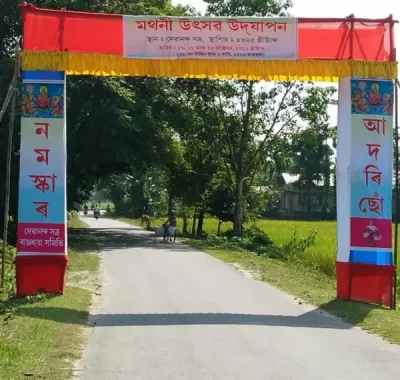
Mathani Utsav takes place at Devananda Satra in the Hazarikapara area of Darrang district, near the Mangaldai and Sipajhar region of Assam. Visitors travelling from Guwahati can plan a road journey towards Mangaldai or Sipajhar and then continue to Hazarikapara using local directions.
Travellers arriving by train or air can first reach Guwahati and arrange onward transport by road. Local transport options and journey times will depend on the starting point and the traffic conditions on the day.
During the festival, the area may receive more visitors than usual. It is advisable to leave early, confirm the venue and programme details in advance, and allow additional time for parking and local traffic. Visitors should dress respectfully at the religious venue, follow instructions from organisers and seek permission before photographing ceremonies or participants.
Accommodation and food options should be checked before travel, especially for visitors coming from outside Darrang. Anyone planning an overnight stay can look for suitable accommodation in Mangaldai or other nearby towns.
Tips for Visitors Attending Mathani Utsav
Confirm the festival date and daily programme with local organisers before travelling.
Arrive early if you want to observe the traditional rituals and find a suitable place to watch.
Wear modest, comfortable clothing appropriate for a religious setting.
Ask permission before photographing worshippers, performers or private rituals.
Follow the guidance of Satra authorities and respect areas reserved for religious activities.
Carry drinking water and essential personal items, particularly if travelling from another town.
If attending with children or older family members, plan for crowd levels and suitable seating.
Keep the premises clean and avoid disturbing ongoing devotional performances.
Mathani Utsav is a meaningful opportunity to experience the cultural heritage of Darrang district. Through its ritual churning ceremonies, mythological enactments, devotional music and community participation, the festival continues to connect local people with the religious and folk traditions of Assam.
FAQs About Mathani Utsav
1. What is Mathani Utsav in Assam?
Mathani Utsav is a traditional religious and cultural festival celebrated at Devananda Satra in the Hazarikapara area of Darrang district, Assam. It is known for symbolic churning rituals, mythological performances, devotional music and local folk traditions.
2. Where is Mathani Utsav celebrated?
Mathani Utsav is celebrated at the historic Devananda Satra in Hazarikapara, within the Darrang district of Assam. The venue is associated with the Mangaldai and Sipajhar region.
3. When is Mathani Utsav celebrated?
The festival is traditionally observed around the transition between the Assamese months of Ahin and Kati, often during the Kati Bihu period in October. The exact date can vary, so visitors should confirm the annual schedule locally.
4. Why is Mathani Utsav celebrated?
Mathani Utsav preserves religious and folk traditions through rituals inspired by Hindu mythology. Its main performances depict Dadhimanthan, the churning of curd associated with Krishna's childhood, and Samudra Manthan, the churning of the cosmic ocean by the Devas and Asuras.
5. What is the meaning of Mathani or Matheni?
The name Mathani is associated with the Sanskrit word "Manthana", which means churning. Matheni is a local pronunciation used in the Darrangi dialect. The name reflects the festival's central ritual theme.
6. What is Dadhimanthan in Mathani Utsav?
Dadhimanthan is a symbolic performance depicting Yashoda and her companions churning curd to prepare butter, reflecting stories of Lord Krishna's childhood. It is one of the principal ritual themes of Mathani Utsav.
7. What is Samudra Manthan, and why is it performed?
Samudra Manthan is the Hindu mythological story of the Devas and Asuras churning the cosmic ocean in search of Amrita, the nectar associated with immortality. The story is presented through a traditional dramatic enactment during Mathani Utsav.
8. How old is the Mathani Festival of Darrang?
Local accounts describe Mathani Utsav as a tradition that has continued for more than 400 years. Its history is associated with Devananda Satra, which is traditionally dated to around 1625 CE. Exact claims about the festival's age vary across accounts.
9. What cultural activities can visitors see at Mathani Utsav?
Visitors may experience traditional ritual performances, Gayan-Bayan devotional music, naam-prasanga, dramatic enactments and other community programmes. A local fair or additional entertainment may also be organised, depending on the year's arrangements.
10. How can I visit Devananda Satra during Mathani Utsav?
Visitors can travel by road towards Mangaldai or Sipajhar in Darrang district and continue to Hazarikapara, where Devananda Satra is located. Confirm the festival dates, route and local arrangements before departure, especially during the busy festival period.