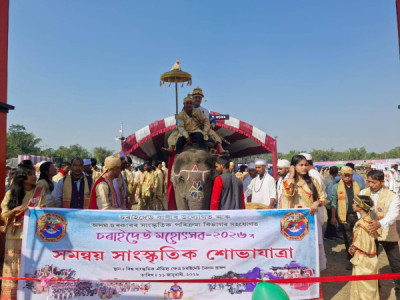
History & Traditions
Celebrated annually, usually in January, the Charaideo Festival honors the Tai-Ahom rulers who shaped Assam's political, social, and cultural identity for over six centuries. More than a festival, it is a tribute to ancestral memory, community pride, and cultural continuity.
Historical Significance of Charaideo and the Ahom Dynasty
Charaideo holds a sacred place in Assamese history. It was the first capital of the Ahom kingdom, established in the 13th century by Sukaphaa, the founder of the Ahom dynasty. The region is best known for the Charaideo Maidams, ancient royal burial mounds of Ahom kings, queens, and nobles, often compared to the pyramids of Egypt for their historical importance.
The festival is organized at this very landscape, allowing visitors to experience history where it unfolded. The proximity to the Maidams transforms the celebration into a living museum of Tai-Ahom civilization, making the Charaideo Festival a rare blend of heritage tourism and cultural revival.
Festival Duration, Venue, and Organization
The Charaideo Festival is generally held for three days at the Charaideo Maidams grounds. Since its inception in 2015, it has been celebrated annually with increasing scale and participation. The event is organized by the local community of Charaideo with support from the Cultural Affairs Department, Government of Assam.
Traditional rituals such as the installation of laikhuta mark the ceremonial beginning of the festival. The opening events often include flag hoisting, Tai-Ahom prayers, and traditional songs that set a deeply spiritual and historical tone.
Cultural Performances and Artistic Expressions
One of the main attractions of the Charaideo Festival is its vibrant cultural program. The festival stage comes alive with performances that reflect Assam's ethnic diversity and artistic depth.
Traditional dance forms such as Bihu and Sattriya captivate audiences with their rhythm, grace, and storytelling. Tai-Ahom cultural dances performed in traditional attire highlight ancient customs and rituals passed down through generations.
Folk music performances using traditional instruments create an atmosphere that feels both celebratory and reverent. Songs often narrate stories of Ahom history, nature, spirituality, and everyday life, connecting audiences emotionally to Assam's past.
Crafts, Handicrafts, and Traditional Markets
The festival grounds host bustling marketplaces showcasing authentic Assamese handicrafts. Skilled artisans display products made of bamboo, cane, bell metal, silk, and wood. Handwoven textiles, traditional jewelry, ritual items, and ethnic attire attract both collectors and casual visitors.
Craft workshops allow visitors to interact directly with artisans, learn traditional techniques, and understand the cultural significance behind each creation. These initiatives help preserve endangered crafts while supporting local livelihoods.
Assamese Cuisine and Culinary Heritage
Food plays a central role in the Charaideo Festival experience. Ethnic food stalls serve a wide range of traditional Assamese dishes prepared using indigenous ingredients and age-old methods. From rice-based delicacies to smoked meats, herbal preparations, and traditional beverages, the festival offers an authentic taste of Assam.
The culinary section not only satisfies appetites but also educates visitors about Assam's food culture, agricultural traditions, and sustainable cooking practices.
Community Engagement and Knowledge Sharing
Beyond performances and celebrations, the Charaideo Festival emphasizes education and community participation. Seminars, workshops, and discussions focus on the preservation of Tai-Ahom culture, history, language, and environmental sustainability.
Local historians, scholars, and cultural experts share insights into the Ahom governance system, spiritual beliefs, and historical achievements. These sessions foster cultural awareness among younger generations and strengthen community pride.
Tourism, Global Recognition, and International Participation
After the UNESCO recognition of Charaideo Maidams in July 2024, the festival gained international attention. Recent editions have seen participation from foreign artists, international tourists, and cultural delegations, enhancing its global appeal.
The festival has become a powerful platform for promoting cultural tourism in Upper Assam. Visitors from across India and abroad now travel to Charaideo to witness this unique convergence of history, culture, and community spirit.
Why Charaideo Festival Matters Today
The Charaideo Festival is more than a celebration; it is a cultural movement. It reconnects modern society with Assam's historical roots while presenting them in a contemporary, engaging format. For travelers, researchers, culture enthusiasts, and locals alike, the festival offers a rare opportunity to experience Assam's living heritage in its most authentic form.
As Assam continues to position itself on the global cultural map, the Charaideo Festival stands as a symbol of resilience, pride, and cultural continuity.