Life & Legacy
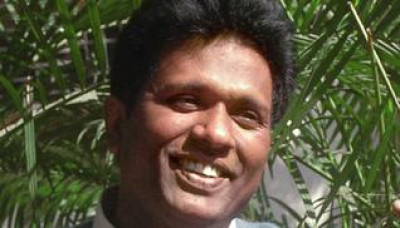
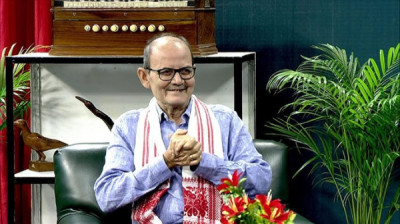
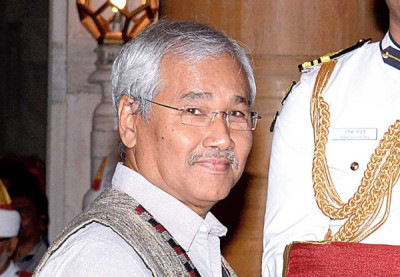
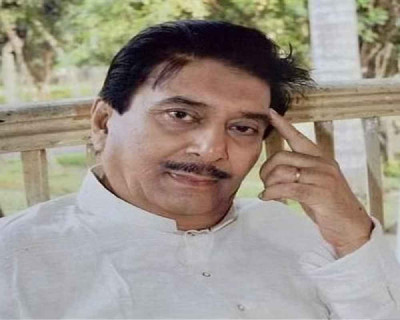
With a career that spans more than four decades, his artistic journey reflects dedication to realism, social values, and Assamese identity. His performances in films such as Ajoli Nabou, Koka Deuta Nati aru Hati, Halodhiya Soraye Baudhan Khai, Xon Moina, Rag Birag, and Hiya Diya Niya have left a lasting impression on audiences and critics alike. Beyond entertainment, Pranjal Saikia is also widely respected for his work in youth rehabilitation, peace-building, and cultural activism.
Early Life and Family Background
Pranjal Saikia was born in Jorhat, Assam, in a culturally vibrant neighborhood near Tarajan Burahgohain Pukhuri, a historic Ahom-era pond, and the Tarajan Natya Mancha, a well-known theatre space connected to Tarajan Sanmilani Mandir. Growing up in an environment deeply immersed in drama, festivals, and community gatherings, he developed a strong attachment to theatre and performance from an early age.
His schooling began at Balya Bhawan, and he later studied at Silver Jubilee School in Tezpur, which was and continues to be one of Assam's most respected educational institutions. The school headmaster, Benudhar Saikia, known for his Gandhian values and simple lifestyle, played a formative role in shaping Pranjal's discipline and moral grounding. It was in Tezpur that he witnessed professional theatre for the first time, including legendary performances by artists like Phani Sharma and Bishnu Rabha, which left a lasting impression on his young mind.
Theatre was a constant presence in his home life. His family actively participated in stage productions, and his house stood almost adjacent to the Tarajan Natya Mancha. From painting sets and helping backstage to observing rehearsals, Pranjal absorbed the rhythm of theatre organically. By the time he reached Class 6, he had already formed a drama group with friends and began staging mythological, historical, and social plays. During his teenage years, he consistently won Best Actor awards at school and district-level competitions, setting the foundation for his future career.
Passion for Sports and Social Engagement
Alongside acting, Pranjal Saikia developed a deep interest in sports and physical training. He actively played cricket, volleyball, badminton, and table tennis and represented his institutions at district and university levels. At Dibrugarh University, he was part of championship-winning table tennis teams and runner-up cricket teams. His athletic background later contributed to his disciplined stage presence and physically demanding theatre performances.
He also trained in bodybuilding, wrestling, boxing, and traditional Indian martial arts involving the lathi. With the encouragement of Samar Bordoloi, a former navy officer and accomplished athlete, Pranjal co-founded a wrestling and fitness club called the Gateway to Health Institute in his family courtyard. The initiative aimed at building physical fitness and self-confidence among local youth and became a positive community space during a period when public discipline and engagement were critical social needs.
Pranjal Saikia was equally known for his involvement in social service from a young age. He frequently helped organize community weddings, rituals, and cultural events and became admired for creating decorative gateways and ceremonial setups. This deep connection with community service later shaped his broader mission of social transformation and youth rehabilitation.
Journey into Professional Theatre
In 1975, Pranjal Saikia permanently shifted to Guwahati, where he answered an advertisement from the Cultural Affairs Department of the Government of Assam for the formation of the state's first repertory theatre group. After auditioning at Rabindra Bhawan, he was selected alongside a small group of talented performers, including Chetana Das and Hemanta Dutta.
Under the mentorship of Dulal Roy, a graduate of the National School of Drama, Pranjal received rigorous professional training in acting, movement, voice, and stagecraft. The group traveled extensively across Assam, performing plays in remote villages and towns, often erecting stages before meals and performing under challenging climatic conditions. This immersive exposure refined his acting technique, discipline, and adaptability and laid the foundation for his reputation as a serious theatre artist.
During this period, he also became associated with All India Radio as a voice artist and performed in numerous radio plays. His exceptional vocal clarity and emotional modulation later earned him A-grade artist status with AIR.
Recognizing his potential, Dulal Roy encouraged him to pursue formal training at the National School of Drama in New Delhi. Pranjal attended NSD on a state government scholarship, where he underwent intensive training across thirteen disciplines, including makeup, lighting, scenic design, yoga, western drama, folk theatre, Sanskrit drama, and modern Indian theatre traditions under legendary teachers like B V Karanth. However, following the passing of his father in 1981, he returned to Assam early to support his family.
Experience with Mobile Theatre and Stage Performances
To sustain his family and continue working in theatre, Pranjal Saikia joined Assam's famous Bhramyaman theatre circuit in 1982. The mobile theatre tradition, known for its rigorous touring schedules and nightly performances in diverse locations, further honed his versatility and endurance. He often credits this phase for shaping his artistic resilience and stage maturity.
During this period, he reportedly performed nearly 4000 stage shows within five years, an extraordinary achievement that speaks to his commitment to theatre. He also participated in over 70 radio dramas, further expanding his artistic repertoire. His contributions to theatre earned him positions on prestigious cultural bodies, including the Sangeet Natak Akademi, NSD expert committees, Film and Television Institute of India advisory panels, and the Central Censor Board.
Entry into Assamese Cinema
Pranjal Saikia's entry into films occurred alongside his theatre career. He initially acted in black-and-white films such as Phaguni, directed by Shiva Thakur, and Upapath, directed by Hemanta Dutta. Although he was hesitant about on-screen work initially, preferring stage acting over cinematic exposure, his natural screen charisma soon made him a favorite among directors and audiences.
His major breakthrough came with Ajoli Nabou, directed by Nip Baruah. The film became a massive commercial success, drawing audiences from distant villages and establishing Pranjal Saikia as a leading actor in Assamese cinema. This success was followed by Koka Deuta Nati aru Hati (1984), another box office hit that strengthened his reputation as a dependable and emotionally expressive performer.
He continued delivering critically and commercially successful films throughout the 1980s and 1990s, including Halodhiya Soraye Baudhan Khai (1987), Rag Birag, Hiya Diya Niya, Dag, Barood, and Nayak. His performance in Xon Moina, a deeply emotional story of personal sacrifice and family responsibility, remains one of the most memorable roles of his career and is widely regarded as a landmark Assamese film.
Filmography Highlights
Assamese Films Acted In:
-
Phaguni
-
Upapath
-
Ajoli Nabou
-
Priyojon
-
Son Moina
-
Ei Desh Mor Desh
-
Pratima
-
Mon Mandir
-
Pratidan
-
Koka Deuta Nati aru Hati (1984)
-
Halodhiya Soraye Baudhan Khai (1987)
-
Pita-Putra
-
Ekotrish Jun
-
Mayuri
-
Bhai-Bhai
-
Pahari Konya
-
Probhatir Pokhir Gan
-
Urvashi
-
Pani
-
Kalsandhya (1997)
-
Joubone Amoni Kore
-
Rag-Birag
-
Hiya Diya Niya
-
Anol
-
Dag
-
Nayak
-
Bidhata
-
Barood
-
Anya Ek Jatra
-
Chakrabehu
-
Joymoti (2006)
-
Adamya
-
Priyar Priyo
Theatre Performances and Stage Legacy
Pranjal Saikia is also widely respected for his contributions to Assamese theatre. He has performed in numerous acclaimed plays, many of which are considered classics of modern Assamese drama.
Notable Plays Acted In:
-
Taxi Driver (Playwright: Prafulla Bora)
-
Sako (Playwright: Prafulla Bora)
-
Siraj (Playwright: Phani Sharma)
-
Karengar Ligiri (Playwright: Jyotiprasad Agarwala)
-
Nimatir Konya (Playwright: Jyotiprasad Agarwala)
-
Janmabhumi
His theatre work is often described as intense, disciplined, and emotionally layered, rooted in realism and cultural authenticity.
Director, Producer, and Cultural Leader
Beyond acting, Pranjal Saikia has also worked as a film director and producer, contributing to Assamese cinema behind the camera. While his acting career remains his most visible achievement, his directorial and production work reflects his interest in socially meaningful storytelling and regional identity.
He has also served in leadership roles across India's cultural institutions, including as an executive member of Sangeet Natak Akademi and advisor to NSD and FTII committees. During his tenure at Sangeet Natak Akademi, Assam received a record number of national recognitions, significantly enhancing the state's cultural representation at the national level.
Awards and Honors
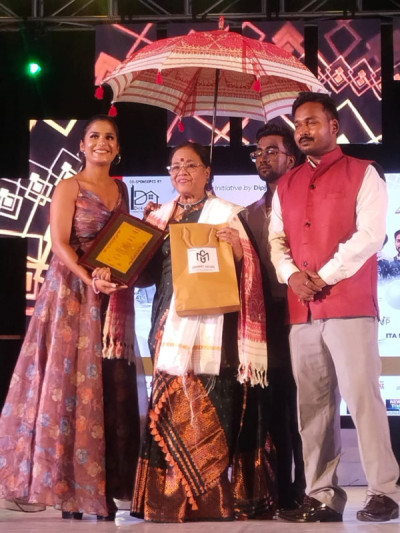
Pranjal Saikia has received numerous awards and recognitions for his artistic excellence and social contributions.
Major Awards and Achievements:
-
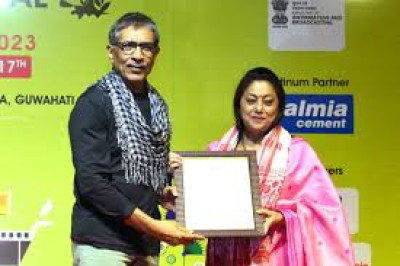
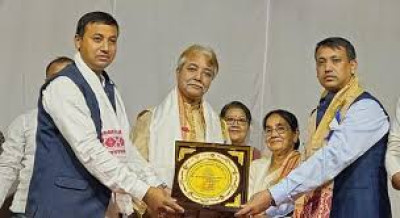
Chinmoy Ranjan Dutta Memorial Artist Award (2025)
-
Sangeet Natak Akademi Award for Acting
-
Assam Natya Sanmilan Highest Honor
-
Natasurjya Phani Sharma Award (2022)
-
Multiple Lifetime Achievement Awards from cultural organizations
-
Theatre Shine Honor from Kolkata-based theatre organization
-
Ambassador for Peace Certificate from a Norwegian organization for conflict resolution efforts
These honors celebrate both his artistic legacy and his humanitarian contributions to society.
Social Work, Peace Building, and Youth Rehabilitation
In recent years, Pranjal Saikia has dedicated much of his life to social transformation. He works closely with organizations like Development Action for Social Transformation in Rural (DASTR), focusing on drug de-addiction, rehabilitation, and reintegration of misguided youth into mainstream society. He has played a significant role in peace-building initiatives involving former militants and marginalized communities, encouraging them to pursue agriculture, organic farming, and productive livelihoods.
He is also involved in promoting organic agriculture across rural Assam, urging displaced youth to return to their ancestral lands and embrace sustainable farming. His humanitarian work earned him international recognition, including the Ambassador for Peace certificate for mediating conflict resolution among various groups.
Views on Assamese Cinema and Future Generations
Pranjal Saikia believes that Assamese cinema must evolve with modern storytelling techniques while retaining its lyrical depth, emotional richness, and cultural ethos. He supports new-age filmmakers and appreciates experimental cinema but emphasizes that cinema must remain connected to society, family values, and regional identity.
As a mentor, he encourages young artists to respect discipline, storytelling integrity, and artistic sincerity. He remains actively involved in theatre training and orientation programs through institutions affiliated with the National School of Drama and regional theatre academies.
Legacy and Cultural Impact
Pranjal Saikia stands as a pillar of Assamese cinema and theatre. His transition from romantic hero roles to character-driven performances mirrors the evolution of Assamese storytelling itself. He is admired not only for his cinematic achievements but also for his commitment to culture, youth development, and peace-building.
With over four decades of contribution to films, theatre, radio, and social activism, Pranjal Saikia remains one of Assam's most influential cultural figures. His legacy lies in the thousands of performances that moved audiences, the institutions he strengthened, and the countless lives he continues to inspire.
FAQs on Pranjal Saikia
1. Who is Pranjal Saikia?
Pranjal Saikia is a veteran Assamese actor, theatre artist, director, and producer known for his work in films, stage plays, and social reform initiatives.
2. Where was Pranjal Saikia born?
He was born in Jorhat, Assam, India.
3. Which film made Pranjal Saikia famous?
Ajoli Nabou and Xon Moina brought him widespread popularity and recognition in Assamese cinema.
4. How many films has Pranjal Saikia acted in?
He has acted in over 30 Assamese feature films and numerous stage productions.
5. Is Pranjal Saikia also a theatre artist?
Yes, he is a highly respected theatre performer and has acted in thousands of stage productions across Assam and India.
6. Has Pranjal Saikia received national awards?
Yes, he received the prestigious Sangeet Natak Akademi Award for his contribution to acting.
7. What are Pranjal Saikia's most popular movies?
Some of his famous films include Ajoli Nabou, Koka Deuta Nati aru Hati, Halodhiya Soraye Baudhan Khai, Xon Moina, and Hiya Diya Niya.
8. Has Pranjal Saikia worked as a director or producer?
Yes, he has worked as a film director and producer in Assamese cinema.
9. Is Pranjal Saikia involved in social work?
Yes, he actively works in youth rehabilitation, organic farming initiatives, drug awareness, and peace-building programs in Assam.
10. Why is Pranjal Saikia important to Assamese culture?
He is regarded as a cultural icon for his contributions to Assamese cinema, theatre, and community transformation over four decades.