Detailed Narrative
The Japi is primarily made from natural materials such as bamboo, cane, and palm leaves, especially from the tokou plant. These materials are locally sourced, making the Japi an eco-friendly and sustainable product. The weaving process involves skilled craftsmanship, where thin strips of bamboo and cane are intricately interlaced to form a strong yet lightweight structure. The top is then covered with palm leaves, which provide protection from both sunlight and rain, making it ideal for Assam's humid and rainy climate.
Historically, the Japi was widely used by farmers, cowherds, and laborers who worked outdoors for long hours. Its wide circular shape allowed it to function both as a hat and an umbrella, shielding the wearer from harsh sun and heavy rainfall. Compared to modern umbrellas, the Japi offered better comfort and durability, especially in rural settings. The size of traditional Japis used by farmers was often large, ensuring maximum coverage and protection.
Over time, the Japi transformed from a purely functional item into a decorative and cultural artifact. Today, it holds an important place in Assamese traditions and ceremonies. It is commonly used as a symbol of respect and honor, especially during the welcoming of guests. Presenting a Japi to someone signifies admiration and hospitality, reflecting the warm cultural values of Assam.
The design of the Japi varies depending on its type and purpose. While simple versions are used for daily activities, decorative Japis are crafted with vibrant colors and intricate patterns. These designs often include red, black, green, blue, and white fabrics woven into geometric shapes and floral motifs. In some cases, small decorative elements such as mica pieces are added to enhance the visual appeal. The red border, commonly seen in traditional Assamese textiles, is also a prominent feature in many Japi designs.
There are several types of Japi found in Assam, each with its own unique characteristics. The Sorudaya Japi is one of the most well-known decorative types, often used in cultural performances and ceremonies. The Bordaya Japi is larger and more elaborate, sometimes associated with traditional rituals and royal symbolism. Haluwa and Garakhiya Japis were traditionally used by farmers and cattle herders, designed for durability and practicality. Other variations such as Pitha Japi and Tupi Japi also reflect regional diversity and usage.
The origins of the Japi are not clearly documented, but it is believed to have ancient roots. Some historians suggest that it may have been influenced by Southeast Asian cultures, given its similarity to traditional hats found in countries like Thailand and regions of East Asia. However, due to the lack of concrete historical evidence, the Japi is widely regarded as an indigenous creation of Assamese society. Its long-standing presence in folklore, songs, and traditions further supports its deep cultural roots.
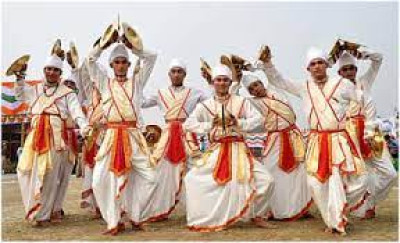
The Japi also holds a special place in Assamese festivals, particularly during Bihu. It is often worn by performers during traditional dances, adding elegance and authenticity to their attire. The combination of colorful costumes and decorative Japis creates a vibrant visual experience that represents the spirit of Assamese culture. In addition to festivals, the Japi is also used in religious ceremonies, where it may serve as a symbolic object of respect and devotion.
In modern times, the Japi has gained popularity as a decorative item. It is commonly displayed in homes, offices, and cultural spaces as a piece of traditional art. Smaller, artistically designed Japis are often used as wall hangings or souvenirs, attracting both domestic and international tourists. These decorative versions maintain the traditional weaving techniques while incorporating contemporary design elements, making them appealing to a wider audience.
The Japi is more than just a traditional hat; it is a symbol of Assamese pride and identity. Along with other cultural elements, it represents the values, lifestyle, and creativity of the people of Assam. It is used across communities, transcending social and cultural boundaries, which highlights its role as a unifying cultural symbol.
Another important aspect of the Japi is its contribution to the local economy. Many artisans and weavers depend on Japi-making as a source of livelihood. By preserving traditional weaving techniques and promoting handmade products, the Japi industry supports rural communities and helps sustain cultural heritage. Government initiatives and cultural organizations have also played a role in promoting Japi as a handicraft, encouraging its production and global recognition.
As sustainability becomes increasingly important in today's world, the Japi stands out as an example of eco-friendly craftsmanship. Made entirely from natural and biodegradable materials, it reflects a harmonious relationship between humans and nature. This aspect adds to its appeal in modern markets, where there is growing demand for sustainable and traditional products.
Despite the influence of modernization, the Japi continues to hold its significance in Assamese culture. While its practical use as a farmer's headgear has reduced over time, its symbolic and decorative value has grown. It is now widely recognized not only within India but also internationally as a representation of Assam's cultural richness.
In conclusion, the Japi is a timeless symbol of Assam's heritage, blending functionality, artistry, and cultural significance. From its humble beginnings as a protective headgear to its current status as a cultural icon, the Japi has remained an integral part of Assamese life. Its continued relevance highlights the importance of preserving traditional crafts and celebrating cultural identity in an ever-changing world.
FAQs on Japi