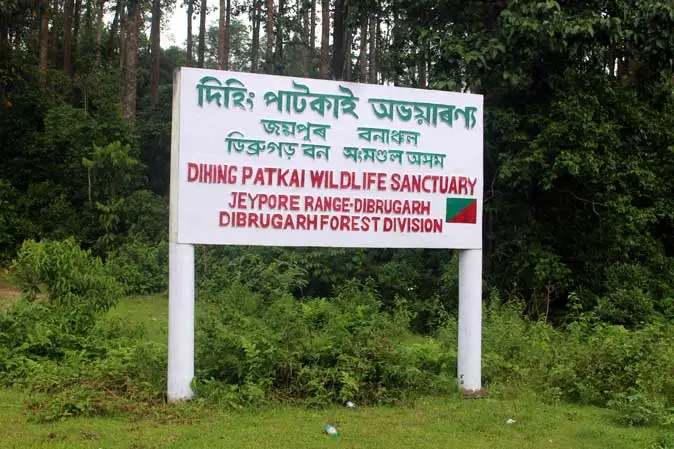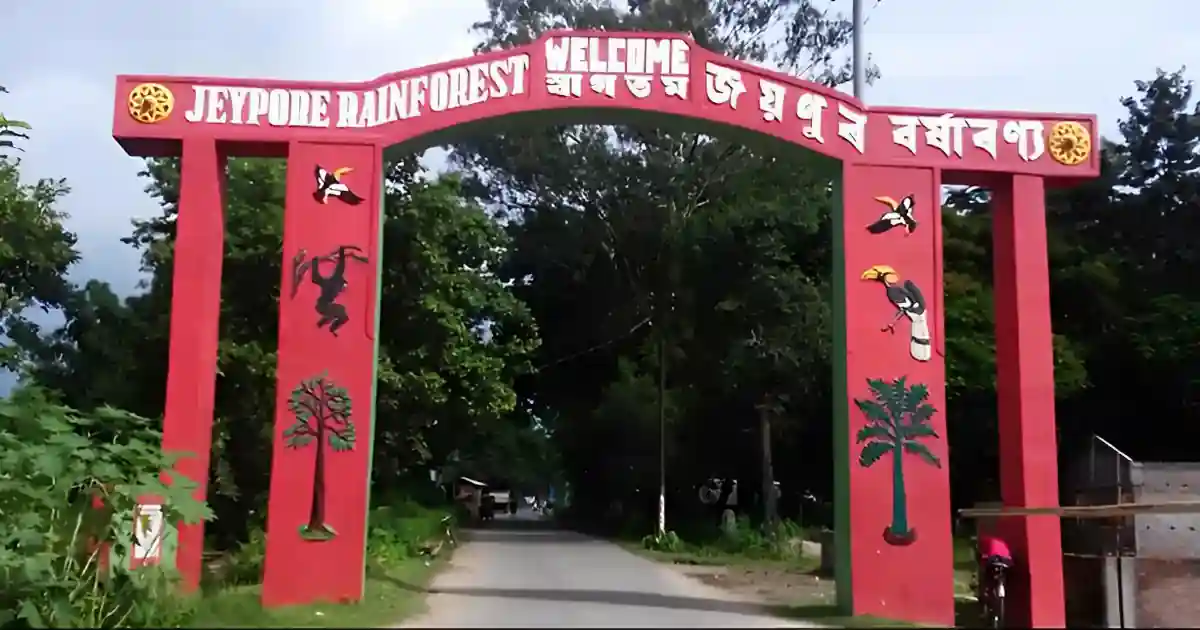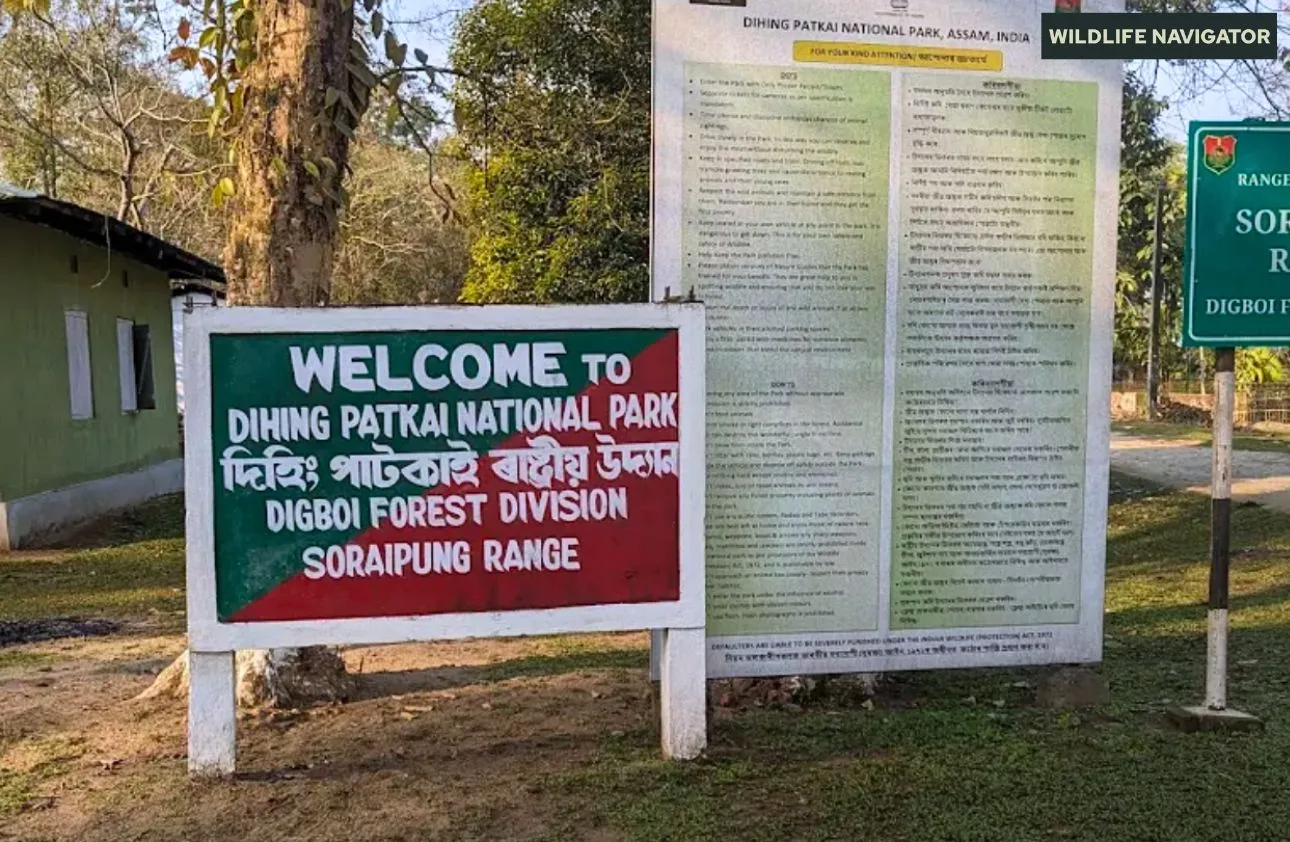
Assam, often celebrated for its tea gardens and iconic wildlife, holds within its eastern region a lesser-known ecological treasure - the tropical rainforests of Upper Dihing. Widely referred to as the Amazon of the East, this vast stretch of dense greenery represents one of the most significant remaining lowland rainforests in India. Located primarily in the districts of Dibrugarh and Tinsukia, Upper Dihing forms a crucial part of the Dehing Patkai landscape, a globally recognized biodiversity hotspot under the Indo-Burma region.
This rainforest is not only a natural wonder but also an ecological backbone for Upper Assam. Its dense vegetation, high rainfall, and diverse wildlife make it a vital environmental zone that supports both nature and human life.
Geography of Upper Dihing Rainforest
The Upper Dihing rainforest derives its name from two prominent geographical features - the Dehing River and the Patkai foothills. The Dehing River, a tributary of the Brahmaputra, flows through the forest, nourishing its ecosystem, while the Patkai hills connect the region to the Eastern Himalayas.
This region receives more than 4000 mm of rainfall annually, creating a tropical monsoon rainforest climate. The forest is characterized by high humidity, thick canopy cover, and multi-layered vegetation. It is part of a larger rainforest system that includes Jeypore, Upper Dihing, and Dirok forests, collectively forming one of the largest continuous stretches of tropical rainforest in India.
The terrain is rich with streams, wetlands, and natural water reservoirs that sustain wildlife throughout the year. Seasonal variations bring cooler winters and intense monsoon rains, shaping the ecological dynamics of the forest.
Dehing Patkai: The Largest Lowland Rainforest in India
The Dehing Patkai region is often called the Amazon of the East due to its dense forest cover and ecological richness. Spread across Dibrugarh and Tinsukia districts, it was officially declared a national park in 2021, further strengthening its conservation status.
Covering a vast area of tropical wet evergreen forest, this region is known for its towering trees, intertwined vines, and fertile soil. The forest structure consists of multiple layers, from ground vegetation to tall canopy trees, creating a complex habitat for numerous species.
The Burhi Dihing river system flows through the park, forming sandbars and wetlands that contribute to the region's biodiversity. This river network also plays a crucial role in maintaining the hydrological balance of the area.
Rich Biodiversity of Upper Dihing
Upper Dihing rainforest is a paradise for biodiversity, housing an extraordinary variety of flora and fauna.
Flora
The forest is dominated by tall evergreen trees such as Hollong, Mekai, and Nahor. Hollong, the state tree of Assam, forms the upper canopy and is known for its impressive height. The forest floor and mid-layers are filled with shrubs, climbers, mosses, and a wide variety of orchids, making the vegetation dense and vibrant.
Fauna
The wildlife diversity in this rainforest is remarkable. It is one of the rare habitats in the world that supports multiple species of wild cats, including the Bengal tiger, clouded leopard, and marbled cat.
The region is also home to seven species of primates, including the hoolock gibbon, which is the only ape found in India. Other notable animals include the Asian elephant, gaur, and Chinese pangolin.
Birdlife is equally rich, with more than 300 species recorded. The endangered white-winged wood duck, which is also the state bird of Assam, finds refuge in these forests.
Ecological Importance
Upper Dihing rainforest plays a crucial role in maintaining environmental stability in the region. It acts as a massive carbon sink, helping in climate regulation and reducing the effects of global warming. The forest also ensures water retention, preventing soil erosion and supporting agriculture in surrounding areas.
Its dense vegetation regulates the microclimate, keeping the region cooler and maintaining humidity levels. The interconnected ecosystem supports countless life forms, making it indispensable for biodiversity conservation.
Cultural and Historical Significance
The rainforest is not just an ecological zone but also a cultural landscape. Indigenous communities such as the Tai Phake, Khamyang, and Singpho have lived in harmony with the forest for generations. Their traditional knowledge and sustainable practices have contributed to preserving the natural environment.
The region also holds historical importance, with sites linked to World War II and the famous Stilwell Road. These elements add depth to the identity of Upper Dihing, making it a blend of natural and cultural heritage.
Dibru-Saikhowa and Environmental Changes
The nearby Dibru-Saikhowa region provides an example of how natural and human-induced changes can transform ecosystems. Once a dense rainforest, the area underwent significant changes after the 1950 Assam earthquake, leading to land subsidence and frequent flooding.
Over time, river course changes and human activities altered the vegetation, turning large forest areas into grasslands and swamp ecosystems. This transformation highlights the delicate balance of rainforest ecosystems and the impact of environmental disturbances.
Conservation Challenges and Efforts
Despite its importance, Upper Dihing and the Dehing Patkai region face several threats. Industrial activities such as coal mining and oil extraction, along with illegal logging, have raised concerns about habitat destruction.
However, conservation efforts have gained momentum in recent years. Environmental groups and local communities have played a vital role in advocating for the protection of these forests. The designation of Dehing Patkai as a national park is a significant step towards preserving this natural treasure.
Sustained efforts are required to balance development and conservation, ensuring that this unique ecosystem continues to thrive.
Conclusion
Upper Dihing rainforest stands as one of India's most valuable ecological assets. Its rich biodiversity, climatic importance, and cultural heritage make it a vital part of Assam's identity. Known as the Amazon of the East, it serves as a reminder of the importance of preserving nature in its purest form.
Protecting this rainforest is not just about conserving trees and wildlife; it is about securing the environmental future of the region and maintaining the delicate balance of life that depends on it.