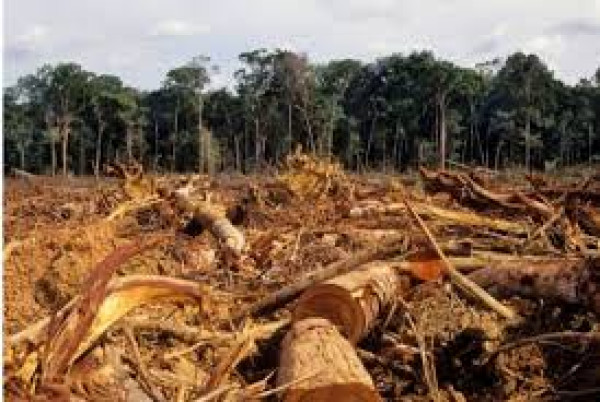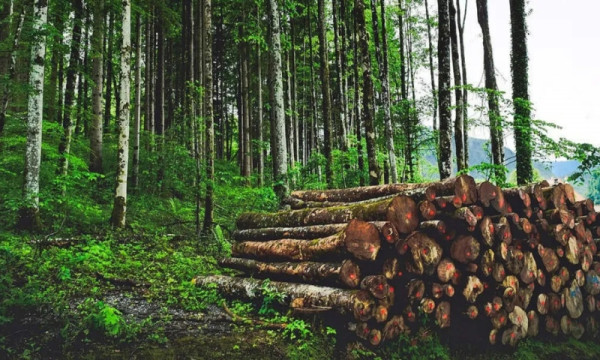
Karbi Anglong, one of the largest and ecologically rich districts in Assam, is facing a severe environmental crisis. Once known for its dense forests and biodiversity, the region has witnessed significant forest loss over the last two decades. Satellite-based studies and environmental assessments reveal a worrying pattern of deforestation that continues to impact the region’s ecology and local communities.
Forest Cover Loss: Key Data and Trends
Between 2001 and 2020, Karbi Anglong and West Karbi Anglong together lost approximately 97,400 hectares (974 sq km) of forest cover. This represents nearly 12% decline in total forest area, making it one of the most affected regions in the state.
Further long-term observations highlight:
- From 2001 to 2025, total tree cover loss reached nearly 130,000 hectares, accounting for about 17% decline compared to 2000 levels.
- Around 67 million tonnes of CO₂ equivalent emissions resulted from this deforestation.
- Between 2013 and 2023 alone, forest cover declined by over 108 sq km, showing that the trend is ongoing.
- As of 2000, nearly 76% of the land had dense tree cover (>30% canopy), which has now significantly reduced.
While there have been minor gains of about 16,000 hectares of tree cover, these are not enough to offset the overall loss.
Changing Land Use Patterns
The decline in forest cover is closely linked to changing land-use patterns:
- Agricultural land expanded by approximately 26 sq km.
- Built-up areas increased by over 30 sq km, indicating rapid urbanization.
- A significant portion of forest loss (about 26%) occurred due to direct deforestation activities rather than natural causes.
These changes clearly show how forests are being replaced by human settlements and economic activities.
Major Causes of Deforestation
Experts attribute the forest loss in Karbi Anglong to multiple human-driven factors:
Environmental and Ecological Impact
The consequences of forest loss in Karbi Anglong are severe and far-reaching:
Forest Fragmentation and Long-Term Decline
Studies indicate that dense forest areas are gradually being replaced by degraded and open landscapes. This fragmentation disrupts ecosystems, reduces carbon storage capacity, and weakens the resilience of forests against climate change.
Local residents have also observed visible environmental changes over time. Forests that were once thick and vibrant have thinned considerably, and water sources have become less reliable.
Conservation Challenges and the Way Forward
Authorities like the Karbi Anglong Autonomous Council and other government agencies have initiated conservation efforts. However, stronger implementation and community involvement are essential.
Key steps needed include:
- Strict enforcement against illegal encroachment and logging
- Promotion of sustainable agriculture instead of monoculture plantations
- Community-based forest management programs
- Better monitoring using satellite and ground-level data
Balancing development with environmental conservation remains the biggest challenge for the region.
Conclusion
Karbi Anglong's forest loss is not just an environmental issue but a warning sign of deeper ecological imbalance. The loss of over 97,000 hectares of forest cover reflects decades of sustained human pressure on natural resources.
If immediate and effective measures are not taken, the region may face irreversible damage in the coming years. Protecting the remaining forest cover is critical not only for biodiversity but also for the livelihoods and future of the people living in this ecologically sensitive region.