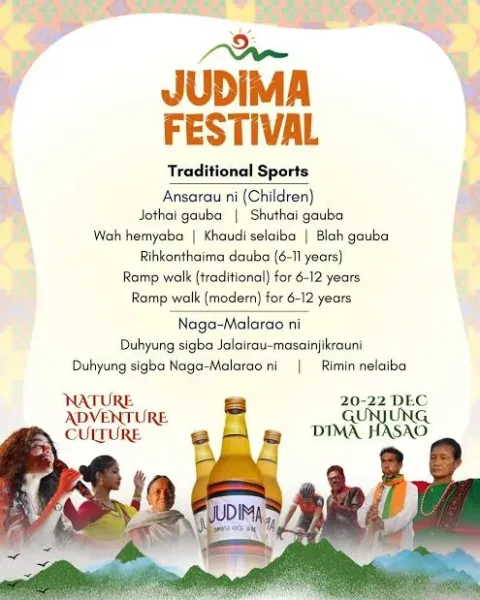
Judima Festival 2026: Celebrating Dimasa Culture and Heritage in Assam
The beautiful hills of Dima Hasao in Assam are known for their scenic landscapes, indigenous traditions and distinctive cultural identity. Among the region's important cultural celebrations, the Judima Festival stands out for its connection with the traditional rice wine of the Dimasa community, its indigenous heritage and the hospitality of the hill people.
Judima is more than a traditional beverage. It represents generations of knowledge, community relationships and cultural practices passed down through families. Its recognition with a Geographical Indication (GI) tag has also brought national attention to this unique heritage of Assam.
The Judima Festival brings together traditional music, folk dances, local cuisine, handicrafts and cultural exhibitions. It provides a platform for the Dimasa community and other local groups to showcase their traditions while introducing visitors to the cultural richness of Dima Hasao.
According to the current Assam Tourism December festival calendar, the Judima Festival 2026 is listed for 20 to 22 December 2026 in Haflong, Dima Hasao, Assam. Visitors should check the latest district-level announcement before travelling because some event-related listings mention different dates and Gunjung as the venue.
For travellers interested in exploring the cultural side of Northeast India, the festival offers an opportunity to discover the traditions, food and scenic surroundings of Dima Hasao.
Judima Festival 2026: Dates, Venue and Important Details
| Particulars | Details |
|---|---|
| Festival Name | Judima Festival 2026 |
| Dates | 20–22 December 2026, as listed by Assam Tourism |
| Duration | 3 Days |
| Venue | Haflong, Dima Hasao, Assam, according to the current Assam Tourism calendar |
| Cultural Focus | Dimasa culture and heritage |
| Main Attraction | Judima, the traditional GI-tagged rice wine |
| Other Attractions | Folk music, traditional dance, indigenous food, handicrafts and cultural exhibitions |
| District | Dima Hasao, Assam |
Venue and date clarification: Some festival-related information refers to 19–21 December 2026 at Gunjung. However, the current Assam Tourism calendar lists 20–22 December in Haflong. Confirm the final venue and dates with the organisers or district administration before booking transport and accommodation.
What Is Judima? The Traditional GI-Tagged Rice Wine of the Dimasa Community
Judima is a traditional fermented rice beverage associated with the Dimasa community of Assam. Prepared using rice and a traditional herbal starter, it is an important part of Dimasa food culture, hospitality and social traditions.
The name Judima is commonly explained through two Dimasa words: "Ju", meaning liquor or alcoholic beverage, and "Dima", referring to the Dimasa people.
Traditionally, Judima is prepared using sticky rice and a mixture of locally known herbs. The rice is cooked and combined with the starter culture, allowing natural fermentation to take place. The preparation process requires knowledge of ingredients, proportions and fermentation techniques that have been preserved through generations.
The beverage is particularly associated with family gatherings, community celebrations and traditional occasions. It is also an expression of hospitality, with the preparation and sharing of Judima forming part of social interaction in Dimasa households.
Judima and Its Geographical Indication (GI) Tag
One of the most significant milestones in the recognition of Dimasa heritage came when Judima received its Geographical Indication (GI) registration in 2021.
It became the first traditional alcoholic beverage from Northeast India to receive this recognition. The GI registration identifies the product with its geographical and cultural origin and helps protect its recognised identity.
The registration details include:
Product: Judima
GI Application Number: 643
GI Certificate Number: 376
Certificate Date: 14 September 2021
Registered Proprietor: Youth Association for Development & Empowerment (YADEM)
Geographical Area: Assam
The GI recognition brought wider attention to Judima and the traditional knowledge associated with its preparation. It also highlighted the contribution of the Dimasa community, particularly traditional producers who have preserved the brewing practices over generations.
Why Is Judima Festival Celebrated?
The Judima Festival aims to preserve, promote and showcase the cultural heritage of the Dimasa community and other indigenous groups of Dima Hasao.
The festival provides a common platform for traditional artists, musicians, food producers, artisans, young people and local communities. It also helps introduce the region's cultural identity to visitors from other parts of Assam and India.
Its main objectives include:
Promoting the cultural significance of Judima and its GI recognition.
Preserving traditional music, dance and folk art.
Encouraging local artisans and traditional craft producers.
Showcasing indigenous cuisine and regional food traditions.
Creating opportunities for cultural tourism in Dima Hasao.
Encouraging younger generations to learn about their community heritage.
Supporting local livelihoods through tourism and cultural activities.
The festival is therefore not only a celebration of a traditional beverage. It is also an opportunity to recognise the people, skills and customs that make Dimasa culture distinctive.
Major Attractions of Judima Festival 2026
Visitors attending the Judima Festival can expect a mix of traditional cultural experiences, local food, music and exhibitions. The exact programme and timings for the 2026 edition should be confirmed through the organisers.
1. Judima Tasting and Traditional Brewing Demonstrations
Judima is the central attraction of the festival. Visitors may get an opportunity to learn about the traditional preparation process, ingredients and cultural importance of this GI-registered beverage.
Tasting sessions and brewing-related activities may also be part of the festival programme, subject to the organisers' arrangements.
Traditional brewing knowledge is generally passed down through families, with women playing an important role in preserving the preparation techniques. Such demonstrations can help visitors understand the cultural value of the beverage beyond its identity as a local drink.
Visitors should follow the event's age restrictions and applicable local laws. Anyone who does not consume alcohol can still enjoy the festival's cultural performances, food and exhibitions.
2. Traditional Dimasa Dance and Folk Music
Traditional music and dance are essential elements of Dimasa cultural celebrations. During the festival, visitors can experience folk performances that reflect the community's history, customs and social life.
The traditional rhythms of indigenous instruments, colourful ethnic attire and coordinated group performances create a lively cultural atmosphere.
These performances also provide a platform for local artists and cultural groups to introduce their traditions to a wider audience.
3. Traditional Folk Songs and Musical Presentations
The festival's musical programme may include traditional Dimasa folk songs and community performances.
Some cultural forms and presentations associated with the event include:
Dishru ni: A traditional folk-song form.
Johaya ni: A traditional musical presentation.
Khumi Damba: A children's cultural and musical presentation.
Bagauba: A traditional cultural performance.
These expressions help preserve the community's musical heritage and encourage younger generations to remain connected with their cultural roots.
4. Indigenous Food and Local Cuisine
Food is an important part of the Judima Festival experience. Visitors can explore the traditional cuisine of Dima Hasao and discover how local ingredients, rice and indigenous cooking methods shape the region's food culture.
Depending on the participating vendors, food stalls may offer:
Traditional rice-based preparations.
Smoked meat and regional delicacies.
Bamboo shoot-based dishes.
Seasonal vegetables and locally grown ingredients.
Traditional hill cuisine and community specialities.
The food stalls offer an opportunity to experience regional flavours and support local food producers.
5. Handloom, Handicrafts and Traditional Art
The festival also highlights the creative skills of local artisans and traditional craft makers.
Visitors may find exhibitions featuring indigenous textiles, handloom products, bamboo and cane crafts, and handmade cultural items.
Some traditional craft references associated with the festival include Kram Khuba and Muri Khuba. Visitors can learn about their designs, uses and cultural significance directly from participating artisans.
6. Organic Hill Produce and Dima Hasao Coffee
Dima Hasao is also known for its agricultural and natural resources. Local exhibitions may feature organic hill produce, traditional seeds, locally grown products and Dima Hasao coffee.
These displays provide an opportunity to understand the region's agricultural diversity and support local producers.
Why Should You Visit Judima Festival 2026?
Judima Festival is an interesting destination for travellers who want to experience the cultural heritage of Assam beyond its well-known tourist attractions.
Here are some reasons to consider attending:
Experience Dimasa heritage: Discover traditional music, folk dances, cultural performances and community customs.
Learn about GI-tagged Judima: Understand the history and traditional preparation of a beverage recognised for its geographical identity.
Explore indigenous food: Taste regional dishes and traditional preparations from Dima Hasao.
Discover local craftsmanship: Explore handloom, bamboo and cane products made by local artisans.
Enjoy the natural surroundings: Experience the scenic hills and landscapes of Dima Hasao.
Support community tourism: Participate in an event that brings attention to local artists, producers and cultural groups.
The festival offers a meaningful experience for cultural travellers, photographers, food enthusiasts and visitors interested in the traditions of Northeast India.
How to Reach Judima Festival in Dima Hasao
The most suitable route depends on the final confirmed festival venue. Since the current Assam Tourism calendar lists Haflong, the following travel information focuses on reaching Haflong and arranging onward transport if the programme is held at another location such as Gunjung.
By Air
Travellers arriving by air can consider the following airports:
Silchar Airport (IXS): Silchar is one of the air access points for southern Assam. From the airport, visitors can arrange onward road transport towards Dima Hasao.
Lokpriya Gopinath Bordoloi International Airport, Guwahati (GAU): Guwahati offers wider flight connectivity. Visitors can continue their journey towards Dima Hasao by road or through suitable rail connections.
Check the road route, travel time and transport availability before choosing an airport.
By Train
Haflong and New Haflong railway stations are useful railway access points for travellers visiting Dima Hasao.
The railway journey through the hill section of Assam is known for its scenic surroundings, tunnels and views of the surrounding landscape. Depending on the train service, visitors can plan their journey to Haflong and arrange local transport from the station.
If the festival is finally held at Gunjung, confirm the onward road distance and local transport arrangements before booking your train.
By Road
Haflong can be reached by road from Guwahati, Silchar and other towns in Assam. Private cars, hired taxis and locally arranged transport are possible options.
Visitors travelling to Gunjung should confirm the exact venue location and route with local organisers. Do not assume that accommodation or transport options in Haflong will be within walking distance of a Gunjung event venue.
Plan your journey during daylight, particularly if you are unfamiliar with the hill roads.
Where to Stay During Judima Festival 2026
Accommodation planning is important when visiting Dima Hasao, particularly during a major cultural event. Visitors can consider local homestays, guesthouses and hotels in Haflong.
If the final festival venue is confirmed at Gunjung, ask the organisers about village homestays and community-hosted accommodation. Local cultural operators such as Living Roots Expeditions have been mentioned in connection with village stays and travel arrangements, but visitors should verify current packages, availability and booking terms directly.
Homestays and Guesthouses in Haflong
The following properties are accommodation options to check in Haflong. Contact details and availability should be confirmed directly before making a reservation.
1. Nush - A Boutique Homestay
Location: 207, beside Khongsai Auto Stand, Hagjer Nagar, Haflong, Assam - 788819.
Contact: +91 72595 52019 / +91 84536 57954
Additional contacts: +91 88618 75452 / +91 81338 06775
2. Hagjer Homestay
Location: House No. 66, Convent Road, Dibarai, Haflong, Dima Hasao, Assam.
Contact: +91 94350 77060 / +91 91273 64893
3. Misty Mountains Homestay
Location: House No. 39, Kalibari Bazar, Haflong Bazar, Hagjer Nagar, Haflong, Assam - 788819.
Contact: +91 99542 94212
Additional contact: +91 70026 01575
4. Nhoshring Guest House
Location: Hagjer Bhawan, opposite PHE Water Tank, Convent Road, Haflong, Dima Hasao, Assam.
Contact: +91 96788 43907
5. S.W Hading Guest House
Location: Near I Love Dima Hasao View Point, Shivarai Hading, Boro Haflong, Haflong, Dima Hasao, Assam - 788819.
Contact: +91 93956 90686 / +91 93652 11152
Homestays and Accommodation in Gunjung
If the organisers confirm Gunjung as the festival venue, visitors can enquire about village homestays and community-hosted stays.
Local cultural operators and village representatives may help arrange accommodation with host families. This can provide an opportunity to experience local hospitality and understand the community's everyday lifestyle.
Confirm the location, facilities, meals, transport and booking terms before paying for any accommodation package.
Should You Stay in Diphu?
Diphu, in Karbi Anglong district, has additional hotels and homestays, but it is not the same district as Haflong or Gunjung. It should be considered only if your travel itinerary specifically includes Karbi Anglong and you have confirmed that the onward journey to the festival is practical.
For most visitors attending an event in Haflong or Gunjung, accommodation in Dima Hasao is the more convenient starting point.
Travel Tips for Visitors Attending Judima Festival
A little preparation can make your visit to Dima Hasao more comfortable.
1. Confirm the Final Festival Venue
Check whether the 2026 event will be held in Haflong or Gunjung before booking your stay and transport. The published event information currently contains different venue references.
2. Book Accommodation in Advance
Homestays and guesthouses may have limited rooms during the festival period. Contact properties directly and confirm the reservation.
3. Carry Warm Clothing
December evenings in the hills can be chilly. Carry warm layers, comfortable walking shoes and clothing suitable for outdoor activities.
4. Respect Local Traditions
The festival is an opportunity to learn about Dimasa culture. Follow local customs, seek permission before photographing people and respect community spaces.
5. Carry Cash and Essential Items
Keep some cash for local transport, food stalls and purchases. Digital payment facilities and mobile connectivity may vary by location.
6. Arrange Local Transport
If you are staying away from the festival venue, arrange your return transport in advance. Do not depend entirely on finding a vehicle at the end of the event.
7. Drink Responsibly and Follow Local Rules
Judima is a traditional alcoholic beverage. Visitors who choose to sample it should follow the applicable laws, age restrictions and festival guidelines. Never drink and drive.
8. Keep the Surroundings Clean
Avoid littering and support responsible tourism by using designated waste-disposal facilities.
Explore More Tourist Places in Dima Hasao
A visit to Judima Festival can also be an opportunity to explore the natural and historical attractions of Dima Hasao, depending on the final venue and available travel time.
Some destinations worth considering include:
Haflong: Known for its scenic hills, Haflong Lake and viewpoints, Haflong is one of Assam's best-known hill destinations.
Jatinga: A village famous for its seasonal bird phenomenon and bird-related folklore.
Maibong: A historic place associated with the former Dimasa kingdom and its heritage.
Umrangso: A scenic destination known for the Kopili Reservoir and surrounding hills.
Panimoor Falls: A picturesque waterfall on the Kopili River, known for its distinctive rock formations.
These destinations are spread across Dima Hasao, so check distances and road conditions before combining them into a single itinerary.
Judima Festival 2026: A Celebration of Dimasa Identity and Hospitality
Judima Festival represents the cultural identity of the Dimasa community and the traditions that have been preserved through generations. From the traditional preparation of GI-registered Judima to folk music, dance, local food and handicrafts, the festival offers visitors a glimpse into the heritage of Dima Hasao.
The 2026 edition is an opportunity to discover the region's cultural richness while supporting local artists, artisans and community-based tourism.
For travellers looking for a different kind of winter experience in Assam, Judima Festival offers more than a regular cultural event. It brings together traditional knowledge, indigenous hospitality and the scenic beauty of the hills.
Whether you are interested in Dimasa traditions, local cuisine, music or exploring lesser-known destinations in Northeast India, the festival is worth considering as part of your December travel plans.
Frequently Asked Questions About Judima Festival 2026
1. When will Judima Festival 2026 be celebrated?
The current Assam Tourism December calendar lists Judima Festival 2026 for 20, 21 and 22 December. Some other event-related listings mention 19–21 December. Visitors should confirm the final dates with the organisers.
2. Where will Judima Festival 2026 be held?
The current Assam Tourism calendar lists Haflong in Dima Hasao as the venue. Other festival-related information mentions Gunjung. Confirm the final venue before travelling.
3. What is Judima?
Judima is a traditional fermented rice beverage of the Dimasa community in Assam, prepared using rice and a traditional herbal starter culture.
4. Does Judima have a GI tag?
Yes. Judima received its Geographical Indication registration in 2021 and became the first traditional alcoholic beverage from Northeast India to receive this recognition.
5. What is the main purpose of Judima Festival?
The festival promotes Dimasa culture and heritage, including traditional music, dance, food, crafts and the cultural significance of Judima.
6. What are the main attractions of Judima Festival 2026?
The festival's cultural attractions include Judima-related activities, traditional dance, folk songs, indigenous music, local food, handloom, handicrafts and exhibitions of regional products. The final programme should be checked with the organisers.
7. Can visitors taste Judima at the festival?
Tasting sessions may be included in the programme, subject to organiser arrangements and applicable rules. Visitors should follow age restrictions and local laws.
8. How can I reach Haflong for Judima Festival?
Visitors can reach Dima Hasao by road or train. Haflong and New Haflong are useful railway access points. Guwahati and Silchar are possible airport options, followed by an onward road journey.
9. Where can I stay during Judima Festival 2026?
Visitors can check homestays and guesthouses in Haflong, including Nush Boutique Homestay, Hagjer Homestay, Misty Mountains Homestay, Nhoshring Guest House and S.W Hading Guest House. Village accommodation may also be available if the event is held at Gunjung.
10. What other places can I visit in Dima Hasao?
Visitors can explore Haflong, Jatinga, Maibong, Umrangso and Panimoor Falls, depending on their available time and travel route.