Introduction: Assam at a Critical Turning Point
As 2030 approaches, Assam stands at a defining moment in its environmental and developmental journey. Known for the Brahmaputra river, rich biodiversity, and fertile landscapes, the state is also one of the most ecologically fragile regions in India.
With its vision aligned to the United Nations Sustainable Development Goals (SDGs), Assam aims to achieve balanced growth. However, climate change, environmental degradation, and increasing human pressure are making sustainability a complex challenge rather than a straightforward goal.
Climate Change and Sustainable Development: A Strong Link
Climate change and sustainable development are deeply interconnected. Climate change is no longer a distant concern but a present-day reality that directly affects food security, water availability, energy resources, and livelihoods.
For regions like Assam, the risks are even greater. Being a developing region with high ecological sensitivity, Assam faces severe impacts while having limited capacity to absorb shocks. At the same time, sustainable development offers solutions through climate adaptation, resilience building, and responsible resource management.
The Flood and Erosion Crisis
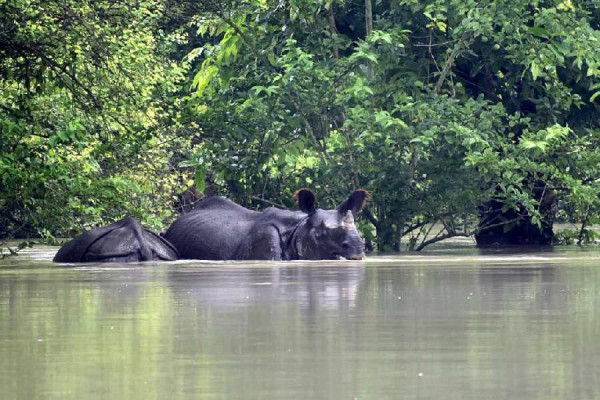
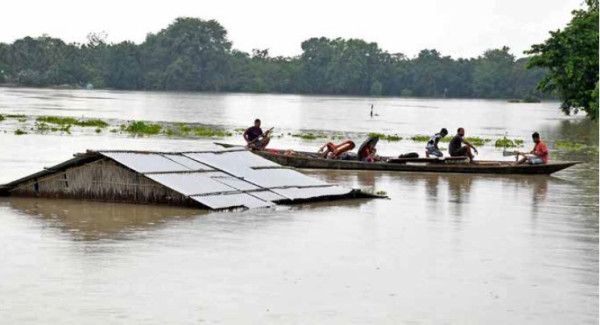
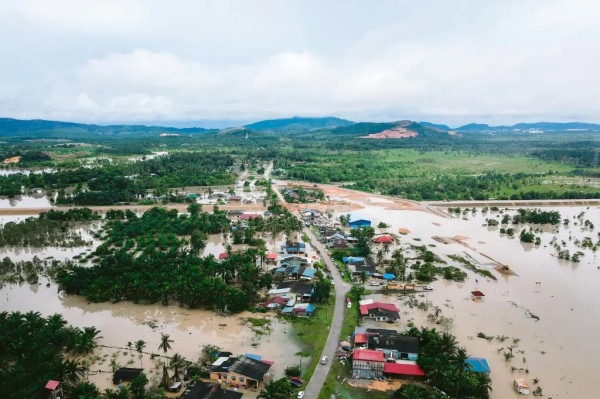
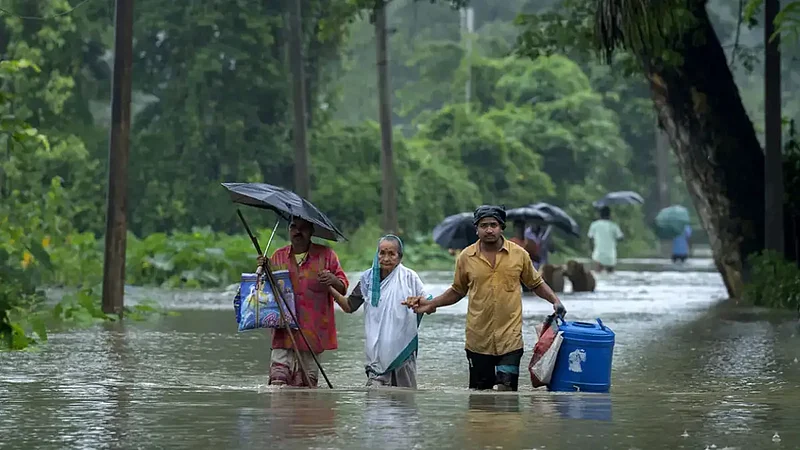
Flooding remains Assam’s most persistent environmental challenge. Every year, nearly 0.8 million hectares of land are affected by floods, while around 800 hectares are lost due to riverbank erosion.
The Brahmaputra river, with its dynamic and braided channels, makes flood control extremely difficult. Climate change has intensified monsoon rainfall, while deforestation in upstream regions increases water runoff. Traditional measures like embankments often fail under such pressure.
By 2030, Assam must adopt more adaptive and nature-based flood management strategies instead of relying solely on conventional infrastructure.
Biodiversity Loss and Ecological Degradation
Assam is globally recognized for its biodiversity, but this natural wealth is under threat. Rapid deforestation, agricultural expansion, and pollution are disrupting ecosystems.
Wetlands, locally known as beels, are shrinking despite their crucial role in flood control and fisheries. Wildlife habitats are becoming fragmented, affecting ecological balance.
To meet sustainability goals, especially those focused on life on land, Assam must protect forests, restore wetlands, and ensure safe wildlife corridors.
Urbanization and Industrial Pressure
Urban growth, particularly in cities like Guwahati, is creating new environmental challenges. Unplanned construction, hill cutting, and poor waste management have led to frequent urban flooding and waterlogging.
Natural drainage systems are being disrupted, increasing dependence on artificial solutions that often worsen the problem.
Sustainable urban development is essential for Assam’s future. Planning must respect natural landscapes and incorporate climate-resilient infrastructure.
Agriculture and Livelihood Challenges
Agriculture remains the backbone of Assam’s economy, but it is highly vulnerable to climate variability. Irregular rainfall patterns, including prolonged dry periods followed by intense floods, are affecting crop productivity.
Communities living on river islands, known as chars, face repeated displacement due to flooding. This creates instability in livelihoods and increases vulnerability to poverty.
To address these challenges, Assam needs climate-resilient agriculture, improved irrigation systems, and sustainable livelihood alternatives.
Assam Vision 2030 and Sustainable Development Goals
The Government of Assam aims to transform the state into a sustainably developed region by 2030 through innovative governance and efficient resource management.
This vision aligns with the 17 Sustainable Development Goals, which include:
- No Poverty and Zero Hunger
- Good Health and Quality Education
- Gender Equality and Clean Water
- Affordable and Clean Energy
- Economic Growth and Innovation
- Sustainable Cities and Communities
- Responsible Consumption
- Climate Action
- Life Below Water and Life on Land
- Peace, Justice and Strong Institutions
- Partnerships for Sustainable Development
These goals provide a comprehensive framework for balancing economic growth with environmental protection.
The Way Forward: Building a Resilient Assam
Achieving sustainability in Assam requires a shift towards nature-based solutions. These include restoring wetlands, promoting reforestation, and strengthening natural river systems.
Community participation, scientific planning, and policy innovation will play a crucial role in shaping Assam’s future.
The focus must move beyond development alone to resilient development—where economic progress does not come at the cost of ecological stability.
Conclusion
Assam’s journey towards 2030 is filled with both challenges and opportunities. Climate change, floods, biodiversity loss, and urban pressures are real and immediate threats.
However, with the right strategies and collective action, Assam can transform these challenges into opportunities for sustainable growth. The future of the state depends on how effectively it can balance human development with environmental conservation.