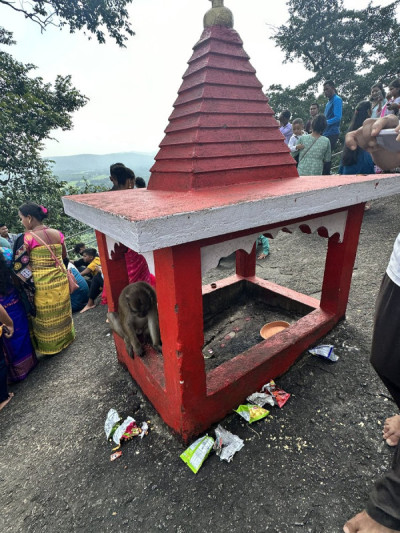
In Depth
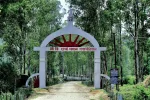
The name Sri Surya Pahar is traditionally associated with Surya, the Sun God. The site is particularly important because of its connection with ancient sun worship, while numerous other sculptures and monuments demonstrate the presence of several religious traditions. Its combination of archaeological remains, rock-cut sculptures and natural surroundings makes it one of the most distinctive heritage destinations in Assam.
History of Sri Surya Pahar
Sri Surya Pahar has a long and complex history, with archaeological remains representing different periods of religious and cultural activity. The wider site contains remains and sculptures generally associated with the early historic and medieval periods. Archaeological investigations have revealed evidence of temples, brick structures, religious monuments, sculptures and water-management features.
The Archaeological Survey of India (ASI) has undertaken excavation and conservation work at the site. These investigations have helped document structures such as a Panchayatana temple complex, brick-built remains and other archaeological features. Several recovered objects are preserved in the nearby site museum.
The historical importance of Sri Surya Pahar does not depend on a single religious tradition. Instead, its greatest significance comes from the evidence of Hindu, Buddhist and Jain practices existing within the same geographical area. This makes the site valuable for understanding the religious diversity and cultural development of ancient Assam.
Religious Significance of Sri Surya Pahar
Sri Surya Pahar is particularly notable for the coexistence of different religious traditions. Hindu remains include numerous Shiva lingas and sculptures associated with deities such as Vishnu, Shiva, Durga and Hari-Hara. The site also contains Buddhist votive stupas and Jain images representing Tirthankaras.
A popular local tradition states that sage Vyasa created 99,999 Shiva lingas at Sri Surya Pahar, making it comparable to Kashi. The exact traditional number should be understood as part of local belief rather than a verified archaeological count. Numerous rock-cut Shiva lingas can nevertheless be seen across the site.
The presence of Surya-related worship is another distinctive feature. The site's name and archaeological associations have contributed to its reputation as an important location connected with ancient Sun worship in the Northeast.
Major Attractions at Sri Surya Pahar
Rock-Cut Shiva Lingas
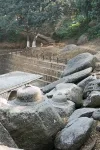
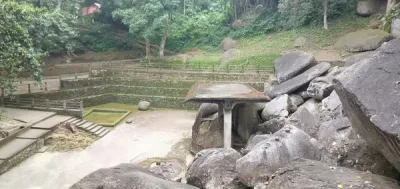
One of the most recognizable features of Sri Surya Pahar is the large number of Shiva lingas carved into and placed among the rocky landscape. They vary in size and form and demonstrate the importance of Shaivism at the site.
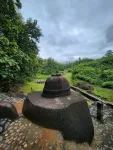
Buddhist Votive Stupas
The hill contains a group of rock-cut votive stupas associated with Buddhist religious activity. Their presence provides important evidence of the Buddhist tradition that once existed alongside other faiths in the region.
Jain Sculptures
Rock-cut Jain sculptures, including representations of Tirthankaras, form another important part of Sri Surya Pahar's heritage. These carvings demonstrate that Jain religious traditions also had a presence in this part of ancient Assam.
Hindu Sculptures and Panels
Visitors can see sculptures and rock-cut panels depicting Hindu religious figures. Among the notable examples are representations associated with Vishnu, Durga as Mahisasuramardini, Shiva and Hari-Hara. These works provide valuable insight into the artistic traditions of the region.
Panchayatana Temple Complex
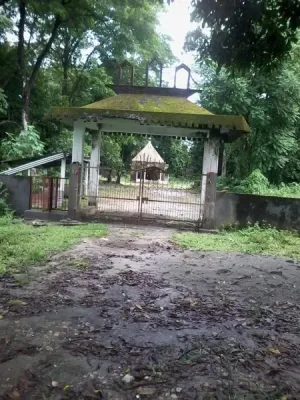
Archaeological remains of a Panchayatana-style temple complex have been identified at the site. Excavated structural remains provide an understanding of the architectural activities that took place at Sri Surya Pahar in earlier periods.
Sri Surya Pahar Site Museum
The archaeological site has an ASI-managed museum displaying objects recovered from excavations in and around Sri Surya Pahar. Visitors can see archaeological material such as sculptures, pottery, terracotta objects, carved bricks and coins, making the museum a useful introduction to the history of the site before exploring the hill.
Natural Beauty and Landscape
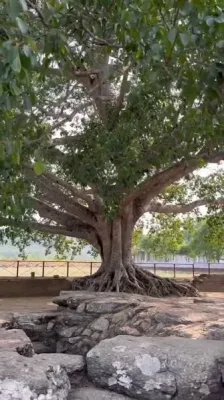
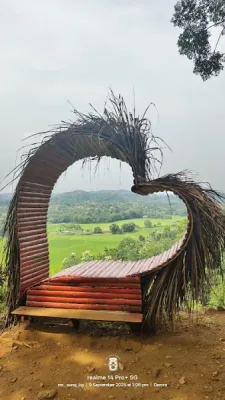
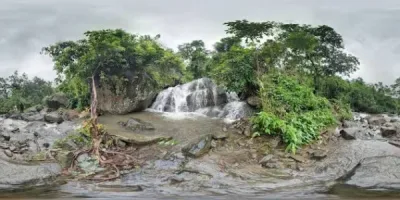
Sri Surya Pahar is not only important for archaeology but also offers an interesting natural setting. The rocky hill and surrounding greenery create a peaceful environment for exploration. From elevated portions of the area, visitors can enjoy views of the surrounding landscape, including areas associated with the Brahmaputra valley.
The combination of open rocky terrain, vegetation and ancient carvings gives Sri Surya Pahar a distinctive atmosphere. Comfortable footwear is recommended because visitors need to walk across uneven and rocky sections while exploring the archaeological remains.
Sri Sri Surya Mela
Sri Surya Pahar hosts the annual Sri Sri Surya Mela, a popular three-day religious and cultural gathering traditionally held around Maghi Purnima in January. Devotees and visitors from different places come to the site during the festival.
The fair adds a lively cultural dimension to the otherwise peaceful archaeological landscape. Anyone planning a visit specifically for the mela should confirm the current dates and local arrangements before travelling.
Best Time to Visit Sri Surya Pahar
The cooler months from November to February are generally suitable for visiting Sri Surya Pahar. The pleasant weather makes walking around the archaeological complex more comfortable.
Winter is particularly convenient for visitors who want to spend several hours exploring the hill, sculptures and museum. During the monsoon, rainfall can make rocky surfaces and outdoor paths slippery, so visitors should plan accordingly.
Timings and Entry Fee at Sri Surya Pahar
Sri Surya Pahar is generally visited during daytime hours, with commonly listed visiting hours around 9:00 AM to 5:00 PM. The nearby archaeological museum generally operates during daytime hours as well.
Entry arrangements and fees can change depending on ASI or local administrative guidelines. Visitors should confirm the latest entry rules, museum timings and applicable charges before travelling.
How to Reach Sri Surya Pahar from Guwahati?
Sri Surya Pahar is approximately 125-135 km from Guwahati, depending on the route taken.
By Road: Travelling by road from Guwahati to Goalpara is one of the most convenient options. Visitors can use a private car, rental vehicle, taxi or bus to reach Goalpara and then continue for approximately 12-13 km towards Sri Surya Pahar.
By Air: Lokpriya Gopinath Bordoloi International Airport in Guwahati is the nearest major airport. From the airport, visitors can hire a taxi or travel towards Goalpara by road.
By Train: Goalpara Town and other nearby railway stations provide rail connectivity with Guwahati and other parts of Assam. From the railway station, visitors can hire an auto-rickshaw, taxi or local vehicle for the remaining journey.
Where to Stay near Sri Surya Pahar?
Goalpara town is the most practical base for visitors exploring Sri Surya Pahar. The town has hotels, guest houses and budget accommodation suitable for short stays. Staying in Goalpara also makes it easier to visit other attractions in the district.
Visitors planning to attend Sri Sri Surya Mela or travel during a busy holiday period should arrange accommodation in advance. Travellers looking for additional accommodation choices can also consider nearby towns depending on their route and travel plans.
Visitor Tips
Visitors should allow sufficient time to explore both the archaeological remains and the site museum. Comfortable walking shoes are advisable because portions of the site have rocky and uneven surfaces.
Do not climb, sit on or touch protected sculptures and archaeological structures unnecessarily. Visitors should also avoid littering and follow instructions provided by ASI personnel.
Photography may be permitted in outdoor areas, but visitors should follow any restrictions applicable to protected monuments, museum exhibits or religious activities.
Why Visit Sri Surya Pahar?
Sri Surya Pahar is an exceptional destination for anyone interested in the history, archaeology and cultural heritage of Assam. Its combination of Hindu, Buddhist and Jain remains provides a rare opportunity to observe different religious traditions within one archaeological landscape.
The ancient rock carvings, Shiva lingas, Buddhist stupas, Jain sculptures, temple remains and archaeological museum make the site particularly rewarding for history enthusiasts, students, photographers and cultural travellers. Its proximity to Goalpara also makes Sri Surya Pahar an easy addition to a western Assam sightseeing itinerary.
Quick Info About Sri Surya Pahar
| Information | Details |
|---|---|
| Tourist Place | Sri Surya Pahar |
| Location | Goalpara District, Assam |
| Distance from Goalpara Town | Approximately 12-13 km |
| Distance from Guwahati | Approximately 125-135 km |
| Type | Archaeological, Historical and Religious Site |
| Major Religions Represented | Hinduism, Buddhism and Jainism |
| Famous For | Rock-cut sculptures, Shiva lingas, stupas and Jain carvings |
| Protected By | Archaeological Survey of India (ASI) |
| Major Festival | Sri Sri Surya Mela |
| Festival Period | Around Maghi Purnima, generally January |
| Common Visiting Hours | Around 9:00 AM to 5:00 PM |
| Best Time to Visit | November to February |
| Nearest Major Airport | Lokpriya Gopinath Bordoloi International Airport, Guwahati |
| Nearest Railway Connectivity | Goalpara Town and nearby railway stations |
| Recommended For | History, archaeology, culture, spirituality and photography |
| Nearby Attraction | Archaeological Site Museum |
FAQs About Sri Surya Pahar
1. What is Sri Surya Pahar famous for?
Sri Surya Pahar is famous for its ancient archaeological remains, including rock-cut Shiva lingas, Buddhist votive stupas, Jain sculptures and Hindu religious carvings.
2. Where is Sri Surya Pahar located?
Sri Surya Pahar is located in Goalpara district of Assam, approximately 12-13 km from Goalpara town.
3. Why is Sri Surya Pahar historically important?
The site is historically important because archaeological remains associated with Hinduism, Buddhism and Jainism have been found together in the same landscape.
4. How many Shiva lingas are there at Sri Surya Pahar?
Local tradition says that 99,999 Shiva lingas were created at the site. However, this traditional number has not been established as an exact archaeological count.
5. Is Sri Surya Pahar connected with Buddhism?
Yes. The site contains rock-cut Buddhist votive stupas, providing evidence of Buddhist religious activity at Sri Surya Pahar.
6. Are Jain sculptures found at Sri Surya Pahar?
Yes. Rock-cut sculptures representing Jain Tirthankaras are among the important archaeological features of the site.
7. What are the visiting hours of Sri Surya Pahar?
The site is commonly listed as open during daytime hours, around 9:00 AM to 5:00 PM. Visitors should verify current timings before travelling.
8. What is the best time to visit Sri Surya Pahar?
November to February is generally considered a comfortable period because the weather is cooler and more suitable for walking around the archaeological site.
9. How can I reach Sri Surya Pahar from Guwahati?
You can travel from Guwahati to Goalpara by road, train or a combination of air and road travel. From Goalpara town, Sri Surya Pahar is approximately 12-13 km away and can be reached by taxi or local transport.
10. What other places can I visit near Sri Surya Pahar?
Visitors can combine Sri Surya Pahar with other Goalpara attractions such as the Archaeological Museum, Pir Majhar, Urpad Beel and Dadan Hill, depending on their itinerary.