In Depth
During the monsoon and summer months (March onwards), Son Beel expands into a massive water body covering up to 9,800 hectares, becoming a vital fishing hub and inland waterway. In contrast, during the winter season, the water recedes and the fertile lakebed is used extensively for rice cultivation, making Son Beel a unique example of a two-worlds-in-one ecosystem.
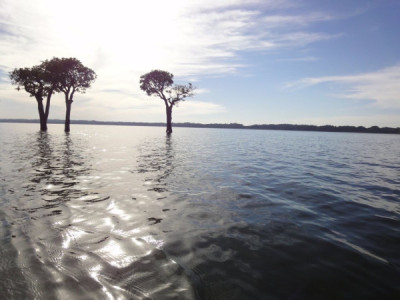
Flanked by scenic hills on both the eastern and western sides, Son Beel offers breathtaking views, especially during sunrise and sunset. The calm waters, reflections of surrounding forests, and half-submerged Hizol trees (Barringtonia acutangula) create a picture-perfect setting that attracts photographers, nature lovers, and birdwatchers alike.
Hydrology and Ecological Importance
The Shingla River, originating in Manipur and Mizoram, serves as both the primary inlet and outlet of Son Beel. The wetland connects further through the Kakra River, eventually meeting the Kushiara River and draining into Bangladesh, making it an important regional water system.
Son Beel has been identified as a Key Biodiversity Area (KBA) of international significance under globally recognized conservation criteria. The wetland supports:
-
Over 69 species of fish, including its specialty fish known locally as bhujia
-
Two species of otters
-
Rare mammals like the Hog Deer
-
More than 150 species of resident and migratory birds
In winter, Son Beel attracts migratory birds from Siberia and other cold regions, turning the wetland into a seasonal paradise for birdwatching. With proper conservation, Son Beel has the potential to qualify as a Ramsar Wetland Site.
Things to Do at Son Beel
-
Boat rides across the vast seasonal lake
-
Birdwatching, especially during winter
-
Photography of sunrise, sunset, and star-filled night skies
-
Village walks to experience local culture and Assamese cuisine
-
Observing traditional fishing practices and rice farming
Over 50 country boats operate daily, serving as transport for local communities and offering visitors an authentic wetland experience.
How to Reach Son Beel
-
By Road: Son Beel is about 43 km from Sribhumi, with a drive time of around 50 minutes. It is easily accessible from Karimganj and Hailakandi towns via taxis and government buses.
-
By Rail: Badarpur Railway Junction is the nearest major railhead, well connected to Guwahati and other parts of Assam.
-
By Air: The nearest airport is Silchar Airport, approximately 90 km away.
Best Time to Visit Son Beel
The best time to visit Son Beel is from March onwards till early winter, when the lake is filled with water and boat services are operational. This period offers the most scenic views and the best opportunities for birdwatching and photography.
Where to Stay Near Son Beel
Accommodation options directly at Son Beel are limited. Visitors generally stay in nearby towns:
-
Karimganj Town (30–40 km): Closest hotels, restaurants, and basic amenities
-
Badarpur (20–25 km): More lodging options and railway connectivity
-
Local homestays and eco-lodges: Limited but available in areas like Sribhumi
It is advisable to consult local travel agencies for updated accommodation details, as online listings may be limited.
Quick Info Table on Son Beel
| Attribute | Details |
|---|---|
| Location | Karimganj district, Assam |
| Type | Seasonal freshwater wetland |
| Area | Up to 9,800 hectares (monsoon) |
| Inlet & Outlet | Shingla River |
| Best Visit Time | March to early winter |
| Known For | Fishing, birdwatching, boating |
| Biodiversity | 150+ bird species, 69+ fish species |
| Status | Key Biodiversity Area (KBA) |
FAQs on Son Beel