In Depth
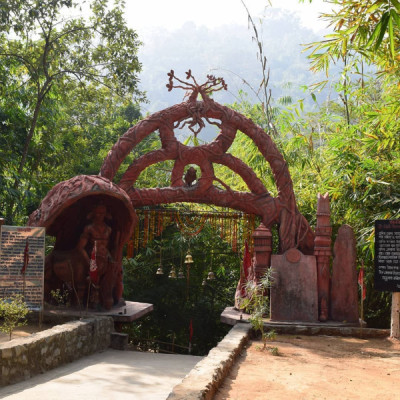
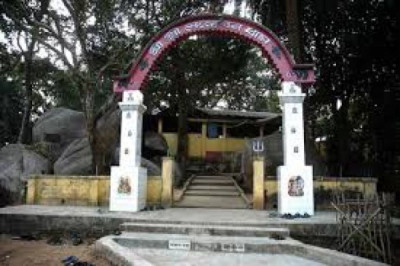
Believed to date back to the 10th-11th century, the temple reflects a rare blend of ancient and medieval Assamese architecture. Although the present structure was renovated during the reign of Ahom king Siva Singha in the 18th century, the site preserves several archaeological remnants, including stone sculptures of Hindu deities and rare iconography influenced by Buddhism. This makes Sidheswar Temple one of the few religious landmarks in Assam where Shaivite, Vaishnavite, and Buddhist traditions coexist harmoniously.
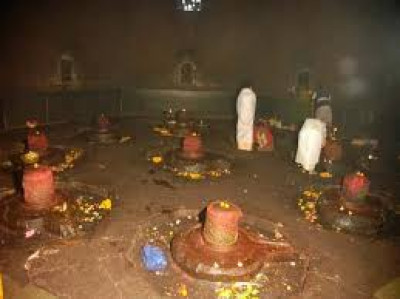
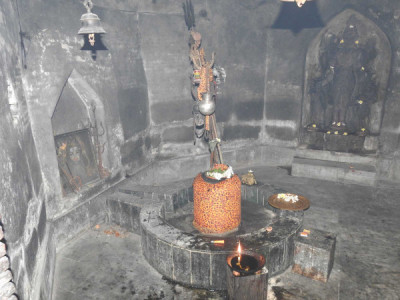
Historians have identified sculptures of Lord Vishnu in various avatars, Goddess Saraswati, Goddess Lakshmi, and Mahishamardini (Devi Durga) within the temple complex. Interestingly, Goddess Saraswati is depicted with two arms instead of four, which scholars believe reflects Buddhist artistic influence. The sanctum sanctorum houses a Shiva linga, while images of Vishnu appear on the outer walls, some suggesting a resemblance to Bodhisattva Avalokitesvara. This spiritual fusion reflects Assam's long-standing culture of religious assimilation.
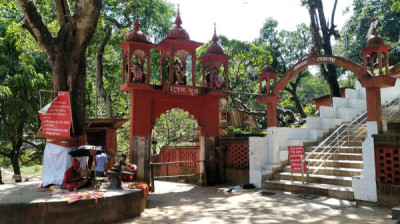
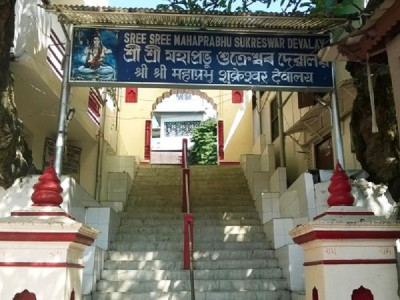
To reach the shrine, visitors climb around 140 stone steps that lead to the hilltop temple. Along the path and within the complex, one can see ancient stone carvings and sculptures dating back to the Ahom era. The mandapa houses deities of Vishnu and Durga, while the outer walls are adorned with various divine figures. There are also prayer halls and priest quarters, and the temple is well maintained by local authorities.
Sidheswar Temple holds immense religious importance and attracts devotees throughout the year. The most vibrant time to visit is during the month of 'Bhole Bom', when pilgrims gather in large numbers and the atmosphere becomes deeply devotional. Despite being lesser known compared to other temples in Assam, Sidheswar Devalaya offers a serene and spiritually uplifting experience, making it a hidden gem for travelers and pilgrims alike.
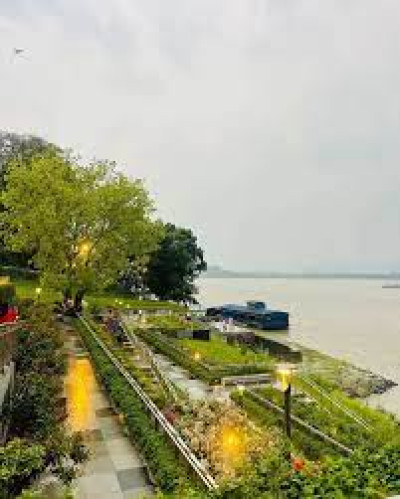
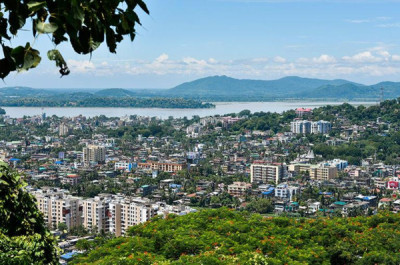
In addition to its religious significance, the temple offers panoramic views of Sualkuchi village and the Brahmaputra River from the hilltop, making it a rewarding destination for photographers and nature lovers. The peaceful surroundings, historical depth, and architectural uniqueness make Sidheswar Temple one of the most culturally rich yet underrated tourist attractions in Assam.
How to Reach Sidheswar Temple
-
By Air: Lokpriya Gopinath Bordoloi International Airport, Guwahati (approx. 35 km away) is the nearest airport.
-
By Train: Guwahati Railway Station is the closest major railhead, about 30 km from Sualkuchi.
-
By Road: Sualkuchi is well connected by road from Guwahati. From the village center, a short uphill walk and staircase lead to the temple.
Best Time to Visit
The ideal time to visit Sidheswar Temple is between October and March, when the weather is pleasant for sightseeing. The temple sees its largest footfall during the month of 'Bhole Bom', when pilgrims gather in large numbers for worship. Early mornings and evenings offer the most peaceful experience and stunning river views.
Where to Stay
While Sualkuchi has limited accommodation options, visitors can find a wide range of hotels and guesthouses in Guwahati, which is just 30 km away. Staying in Guwahati allows easy access to Sidheswar Temple along with other major attractions such as the Kamakhya Temple, Umananda Island, and the Assam State Museum.