In Depth
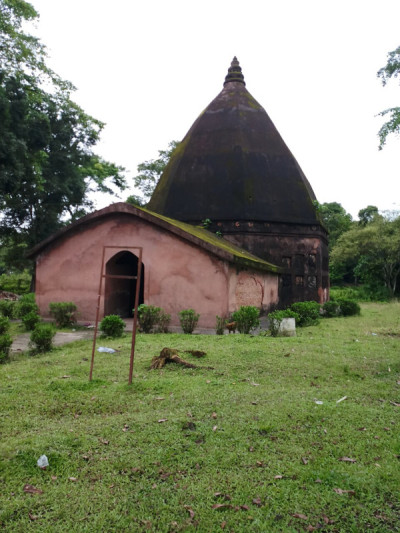
The temple is widely believed to have been constructed around 1705 AD under the patronage of Swargadeo Rudra Singha. Dedicated primarily to Goddess Kali, Maghnowa Doul once served as an important pilgrimage center in upper Assam. Historical records and local traditions suggest that the structure was built using an enormous number of bricks along with lime, jaggery and stone, showcasing the advanced construction techniques of the Ahom dynasty. The octagonal design of the temple further adds to its architectural uniqueness and historical value.
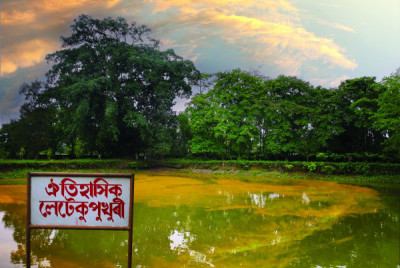
Before the construction of Maghnowa Doul, the surrounding region witnessed significant developments under earlier Ahom kings, including the excavation of large water bodies that supported settlement and religious activities. However, following the Burmese invasions in the early 19th century, the temple complex was abandoned and gradually became overgrown. For several decades, it remained hidden from public attention until renewed interest in the early 20th century brought its historical importance back into focus.
Today, Maghnowa Doul is recognized as an important archaeological and heritage site under the Archaeology Department of the Government of Assam. While the original idol worshipped at the temple is no longer present, the structure continues to be revered by locals who worship symbolic stones associated with Devi traditions. The site attracts history enthusiasts, architecture lovers and cultural travelers interested in exploring the lesser-known heritage of Assam.
How to Reach Maghnowa Doul
-
By Road: Maghnowa Doul is accessible by road from North Lakhimpur town. Local taxis and private vehicles are the most convenient options.
-
By Rail: The nearest railway station is North Lakhimpur Railway Station, connected to major towns in Assam.
-
By Air: Lilabari Airport near North Lakhimpur is the closest airport, with regular flights from Guwahati.
Best Time to Visit
The ideal time to visit Maghnowa Doul is between October and March, when the weather is pleasant and suitable for sightseeing. Winter months offer comfortable temperatures to explore the site and nearby attractions.
Where to Stay
Visitors can stay in North Lakhimpur, which offers budget hotels, lodges and guest houses. Staying in town allows easy access to Maghnowa Doul and other heritage sites in the region.
Maghnowa Doul remains a silent witness to the religious devotion, artistic vision and engineering skills of the Ahom dynasty, making it an important destination for heritage tourism in Assam.
Quick Info Table - Maghnowa Doul
| Attribute | Details |
|---|---|
| Name | Maghnowa Doul |
| Also Known As | Phulbari Doul |
| Location | Lakhimpur District, Assam |
| Built By | Swargadeo Rudra Singha |
| Period | Circa 1705 AD |
| Deity | Goddess Kali (Devi) |
| Architecture | Ahom style, octagonal structure |
| Status | Protected Archaeological Site |
| Best Time to Visit | October to March |
| Nearest Town | North Lakhimpur |
FAQs on Maghnowa Doul